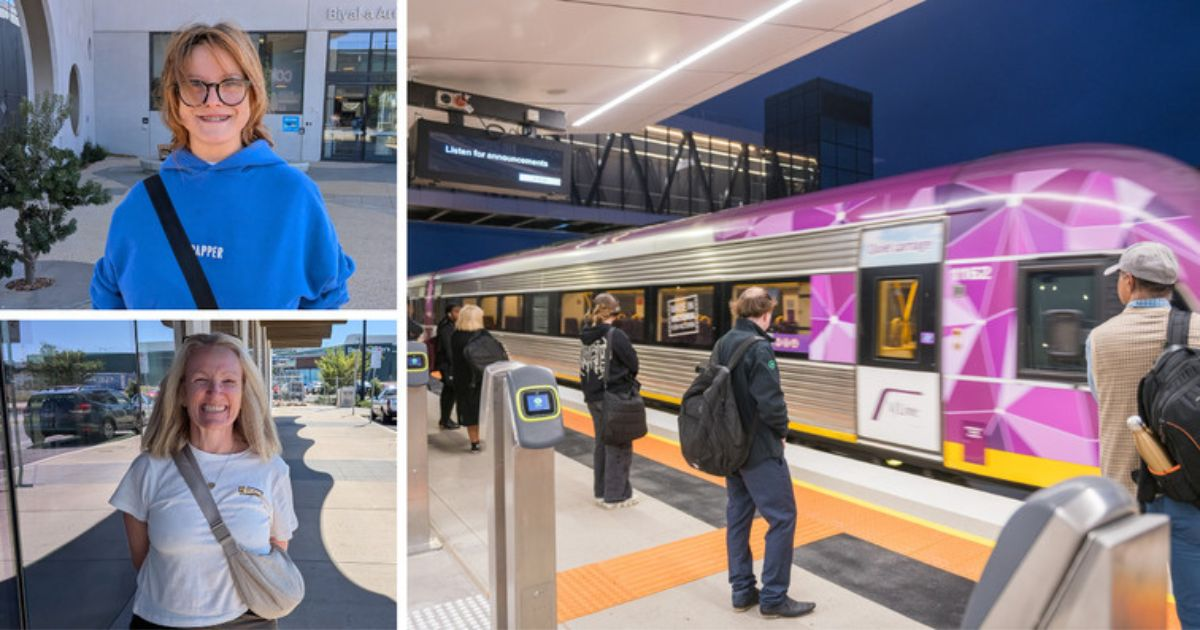
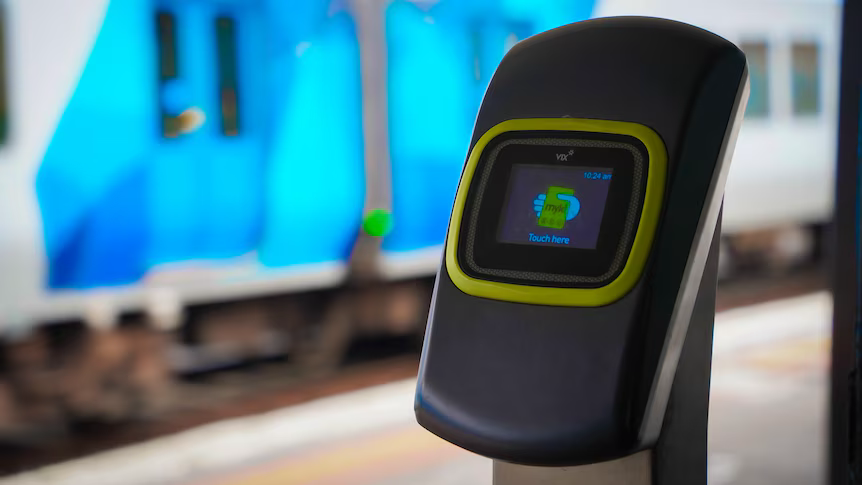
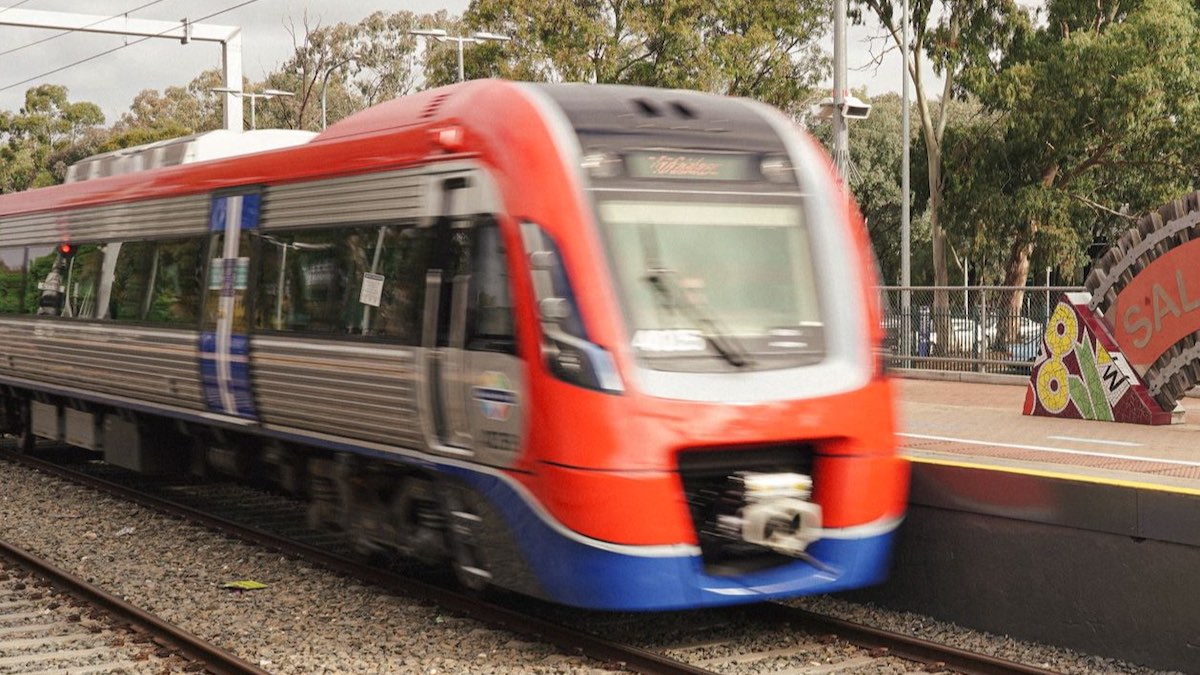
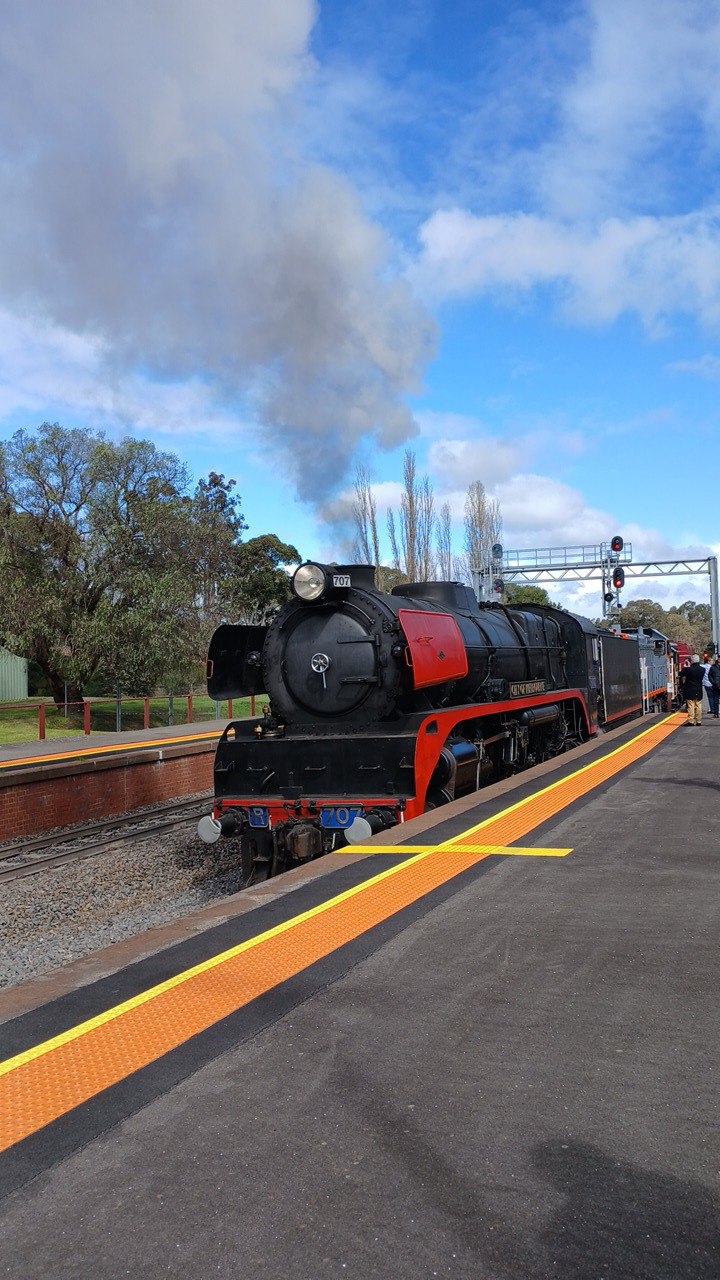
As the rollout of Motu Move – the national contactless ‘tap and travel’ payment system, moves to the next phase of testing on Invercargill ‘s ‘BusSmart’ network later this year, raises the question, why can New Zealand develop a national ‘public transport’ tourism network in association with Tourism New Zealand through their i-Site/Visitor Information network, the 13 regional public transport authority’s and Regional Tourism New Zealand through their Regional Tourism Organisation partners under ‘Explore New Zealand with Motu Move’ concept?
Yes, it can happen now, using existing ‘tap and travel’ payment systems – BeeCard used by 10 public transport authority’s, Snapper used by Greater Wellington Regional Council, AT Hop used by AT Transport and Canterbury using Motu Move. \
\
So, what are the benefits of public transport tourism: \
\
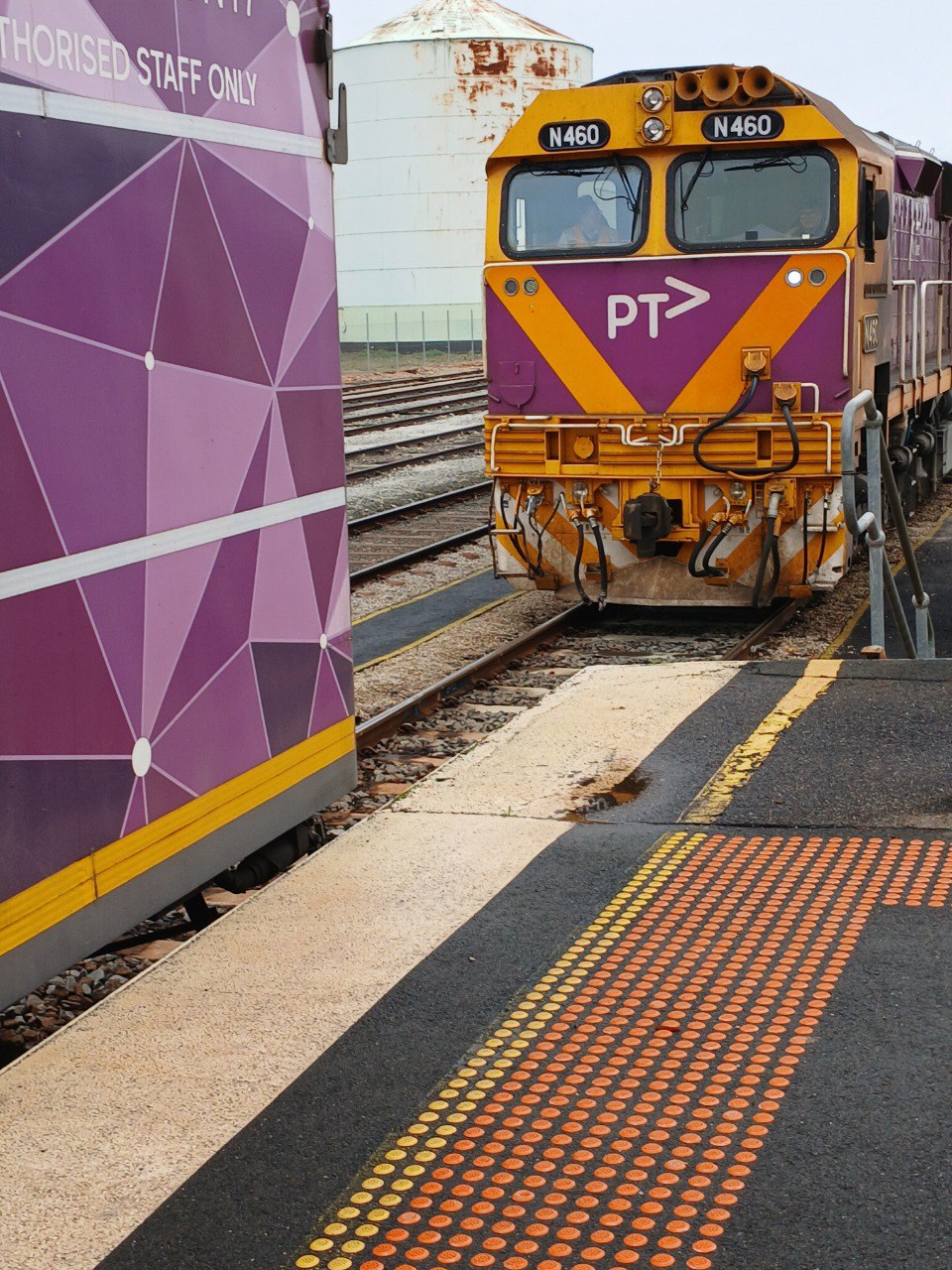
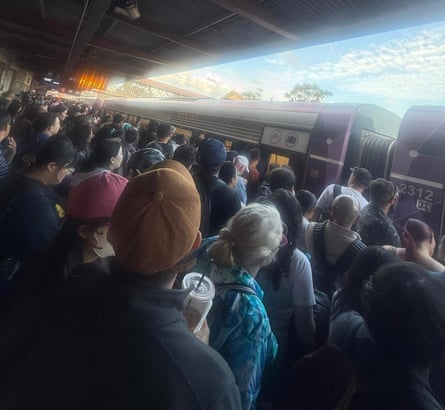
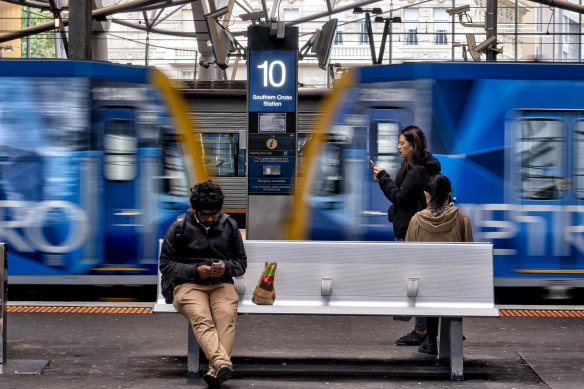
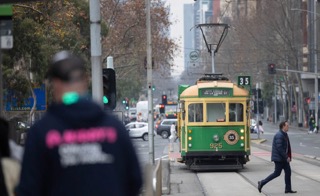
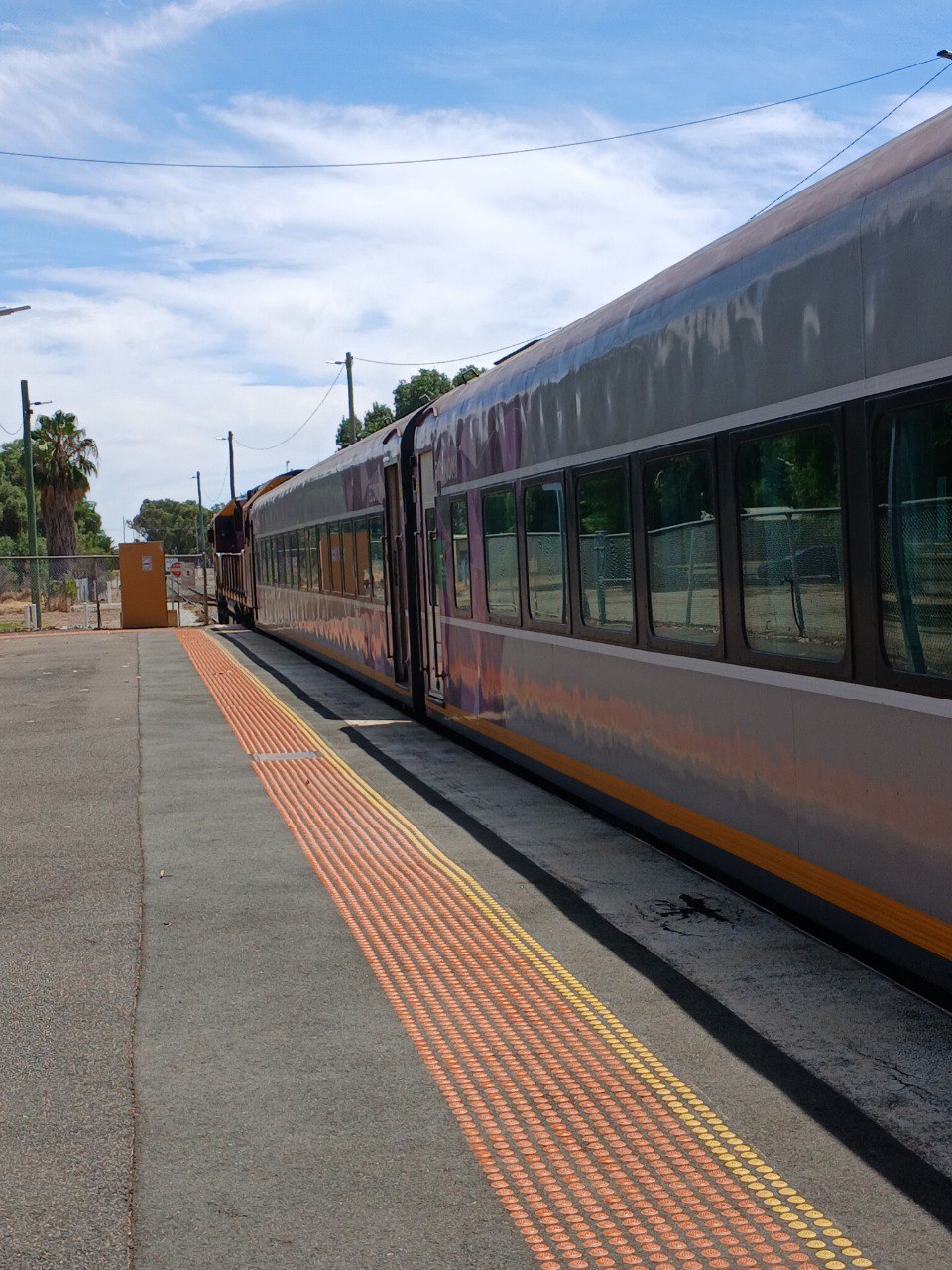
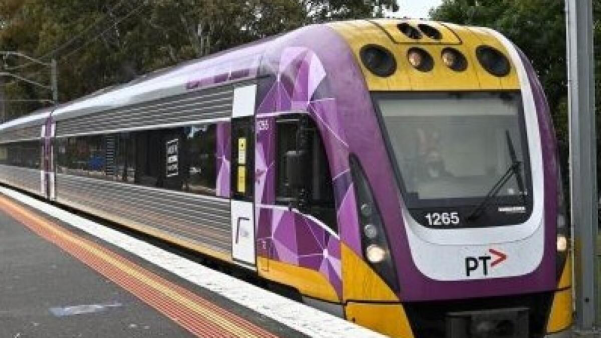
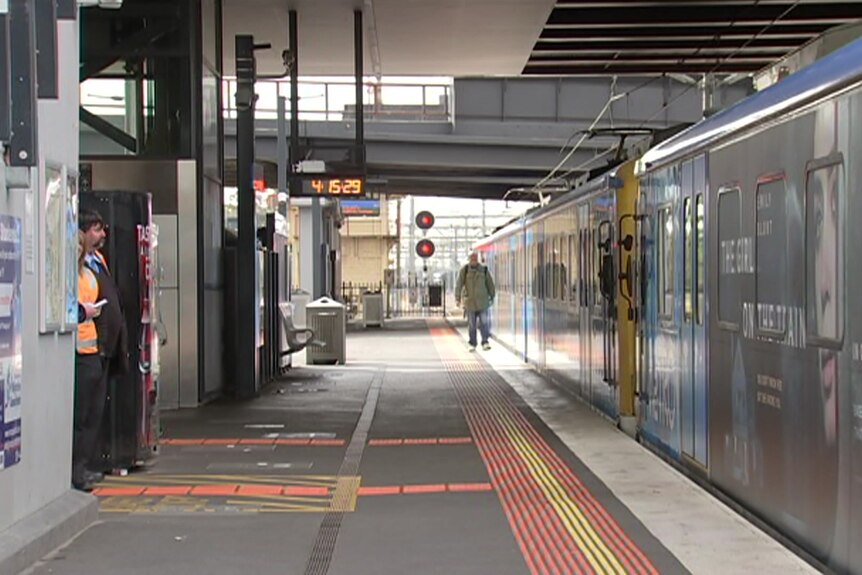
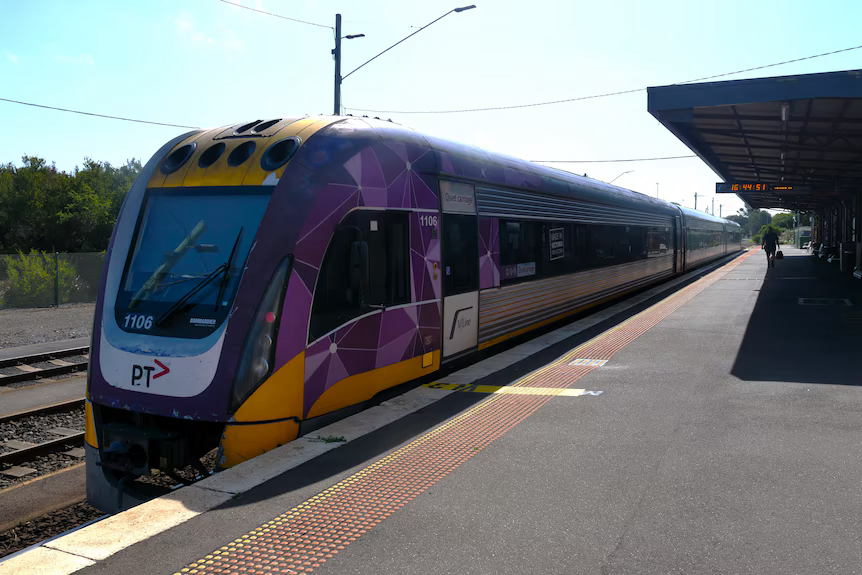
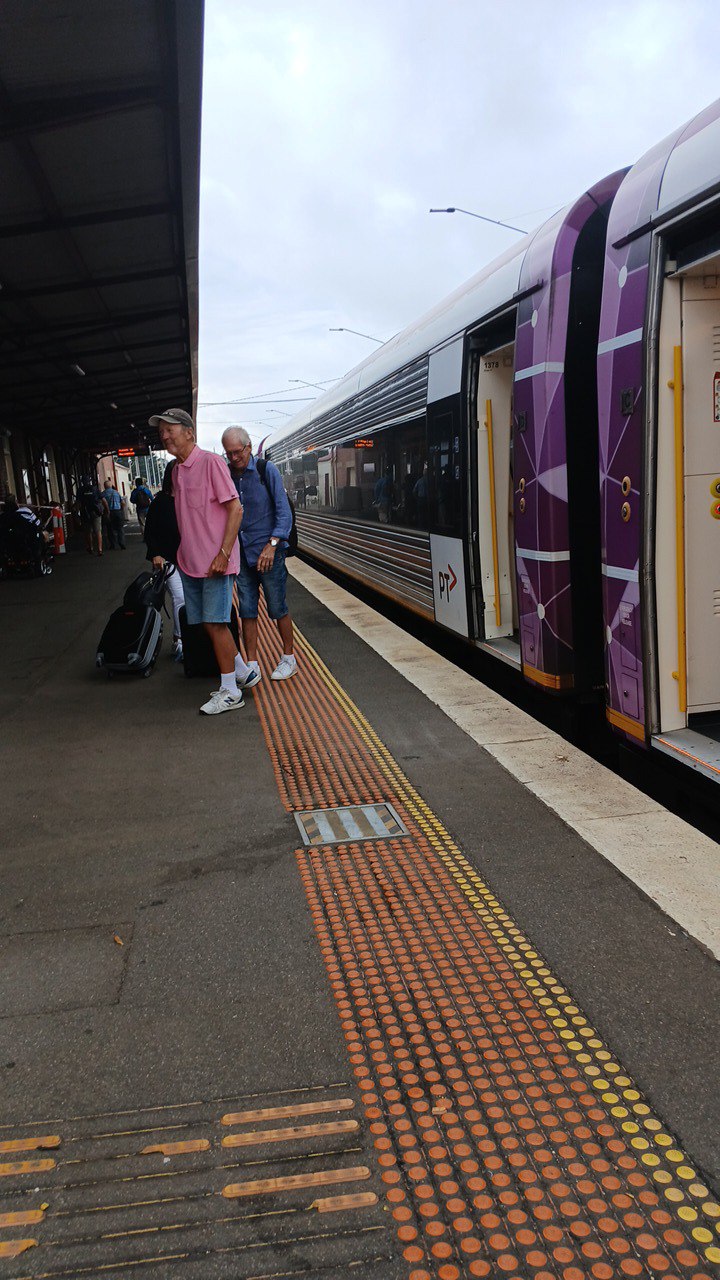
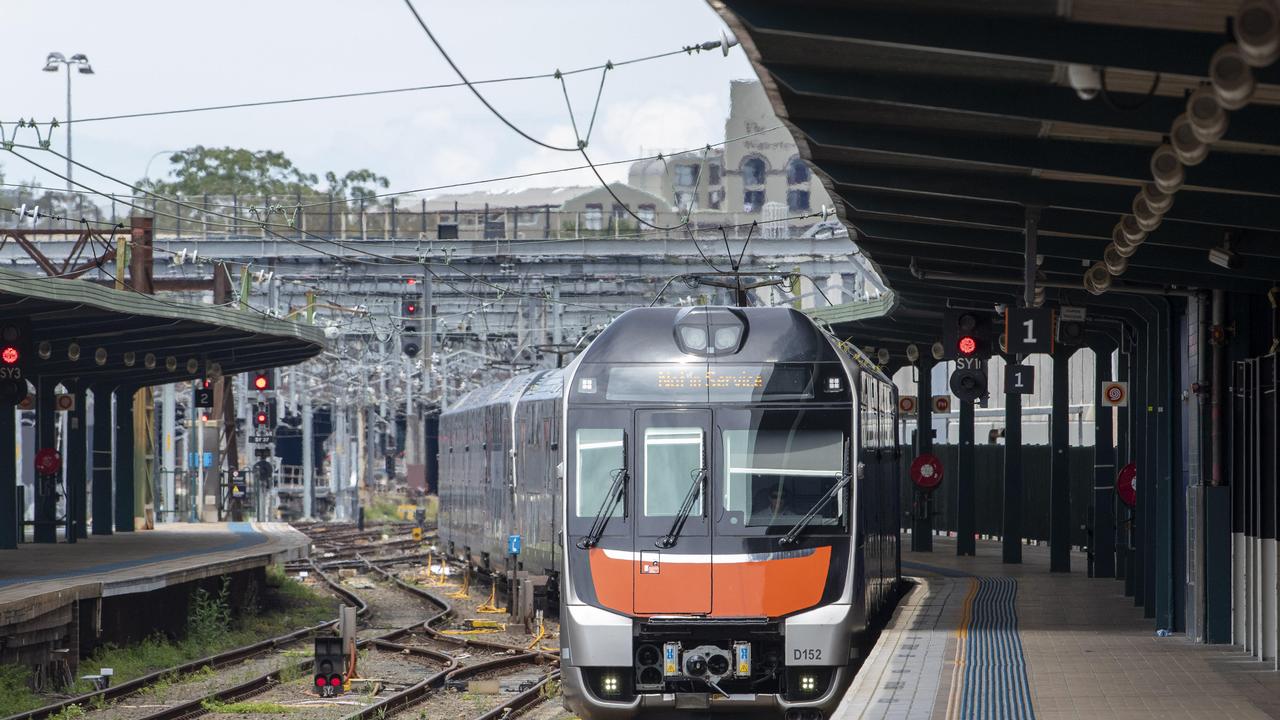
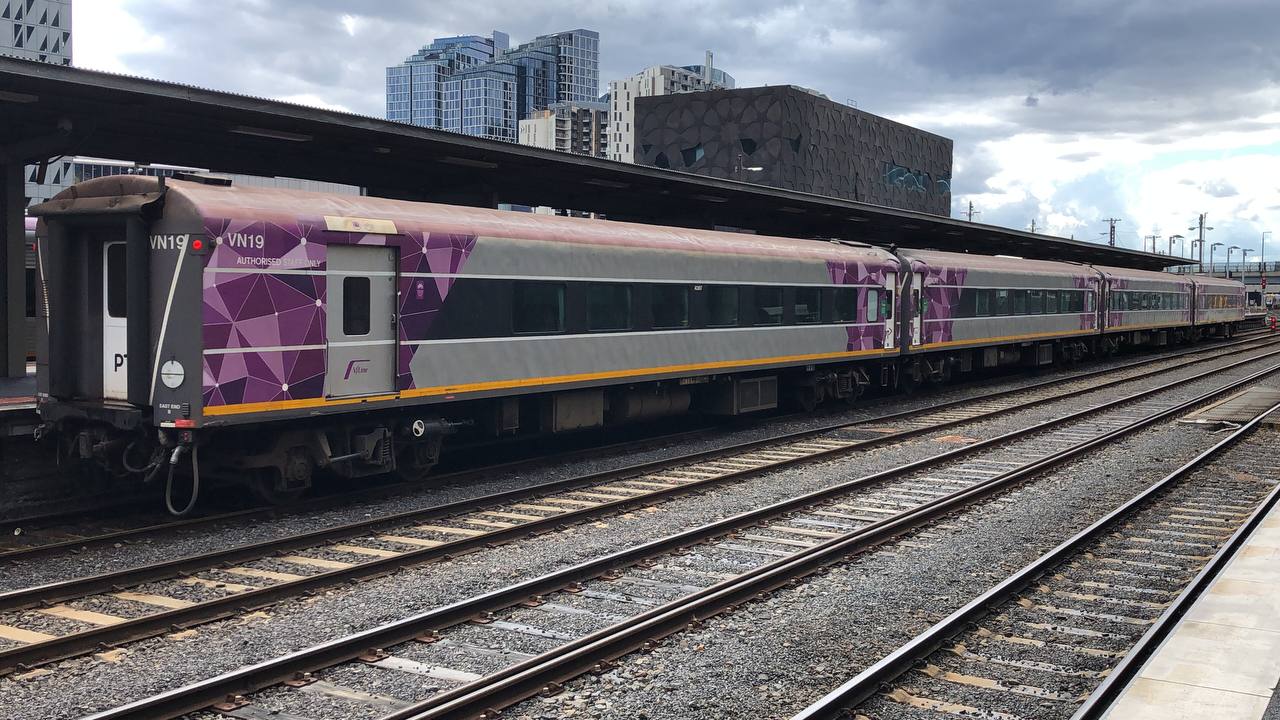
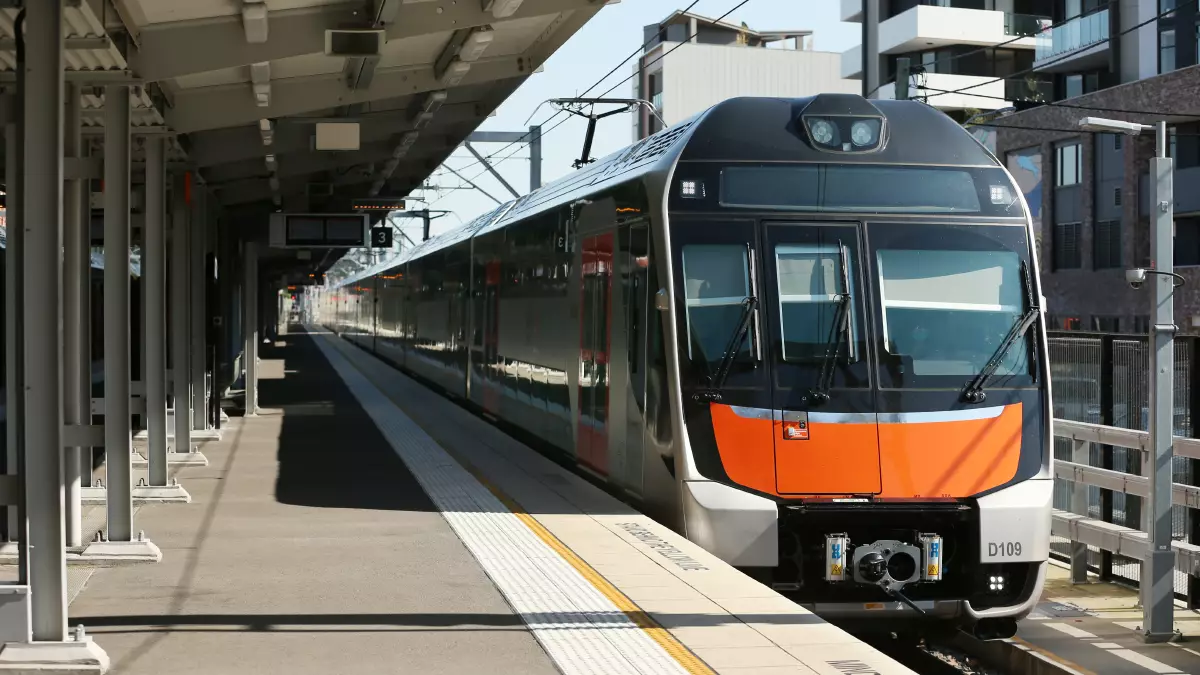
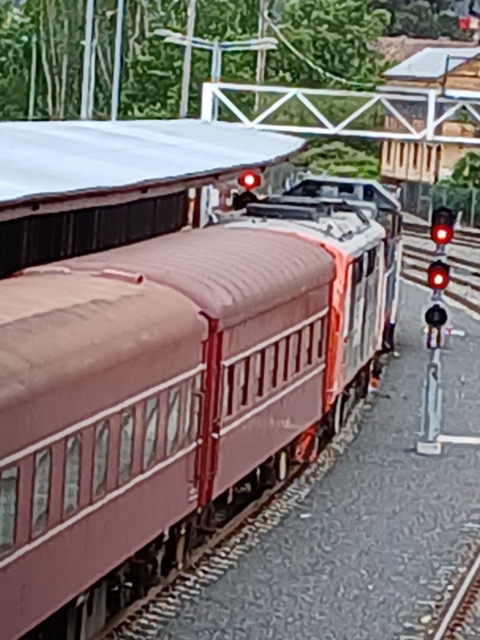
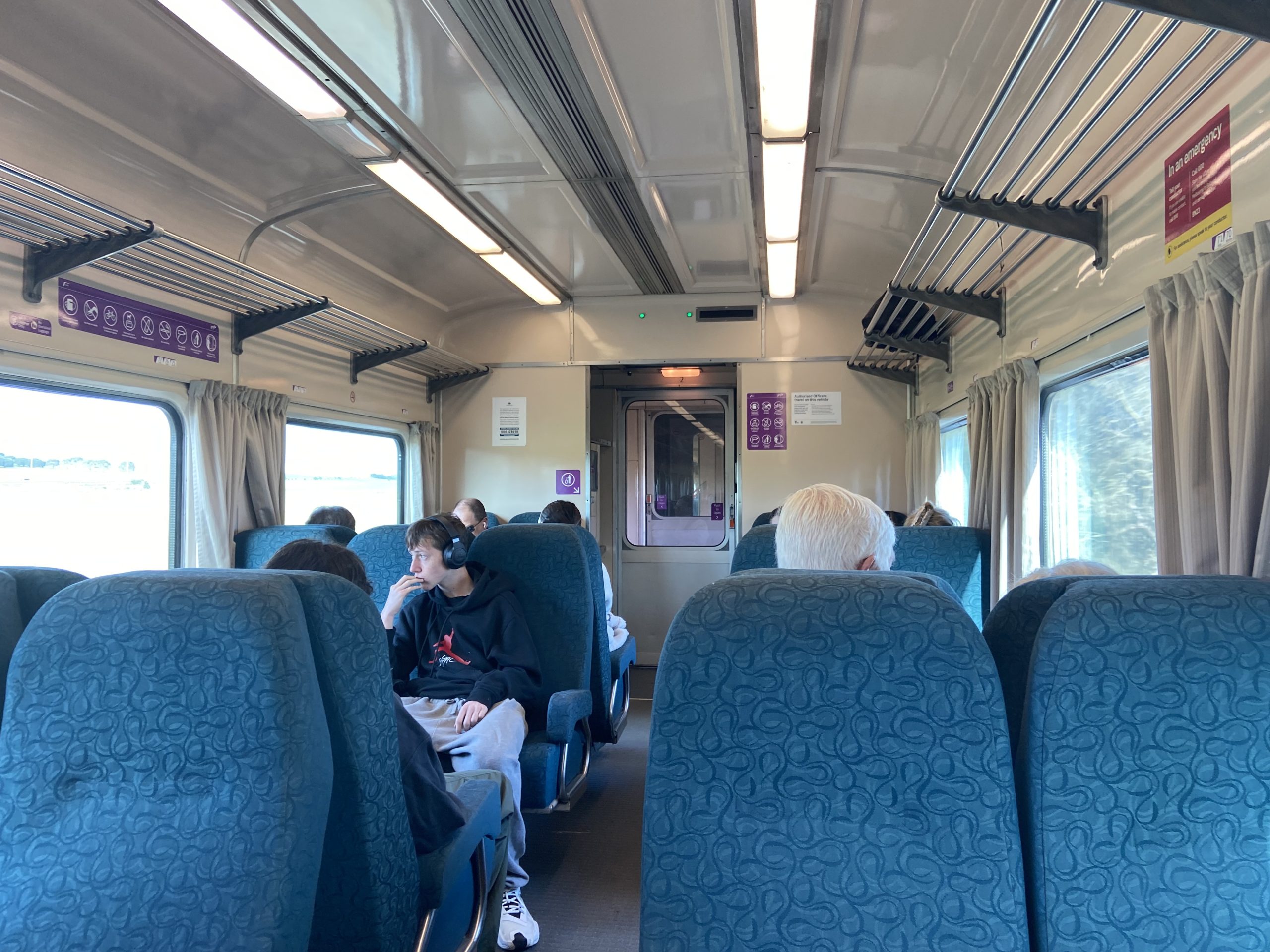
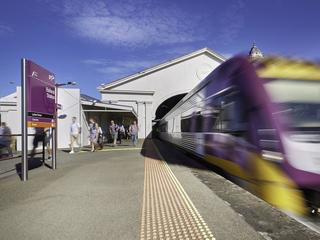
Allows visitors to use public transportation such as buses, trains, ferries and metro systems, to travel to and between destinations instead of using private cars or rental vehicles. \
\
What are the economic benefits of Public Transport Tourism:
\- Increases tourism revenue
\- Tourists can easily reach attractions, accommodation, restaurants, etc
\- Supports local businesses
\- Better transport connections encourage visitors to explore different areas, benefiting small businesses, markets, cafes and cultural attractions.
\- Creates employment
\- Public transport tourism generates jobs in transportation, hospitality, retail, tour operations.
\- Reduces infrastructure costs
\- Fewer private vehicles mean less demand for parking facilities and road expansion, allowing local government’s to invest in other public services.
\- Encourages regional development
\- Reliable public transport allows tourists to travel beyond major cities, bringing economic benefits to regional communities.
\- What are the environmental benefits of Public Transport Tourism:
\- Reduces greenhouse gas emissions and Improves air quality
\- Public transport generally produces fewer carbon emissions and reducing road pollutants such as nitrogen oxides and particulate matter, per passenger than private cars.
\- Reduces traffic congestion
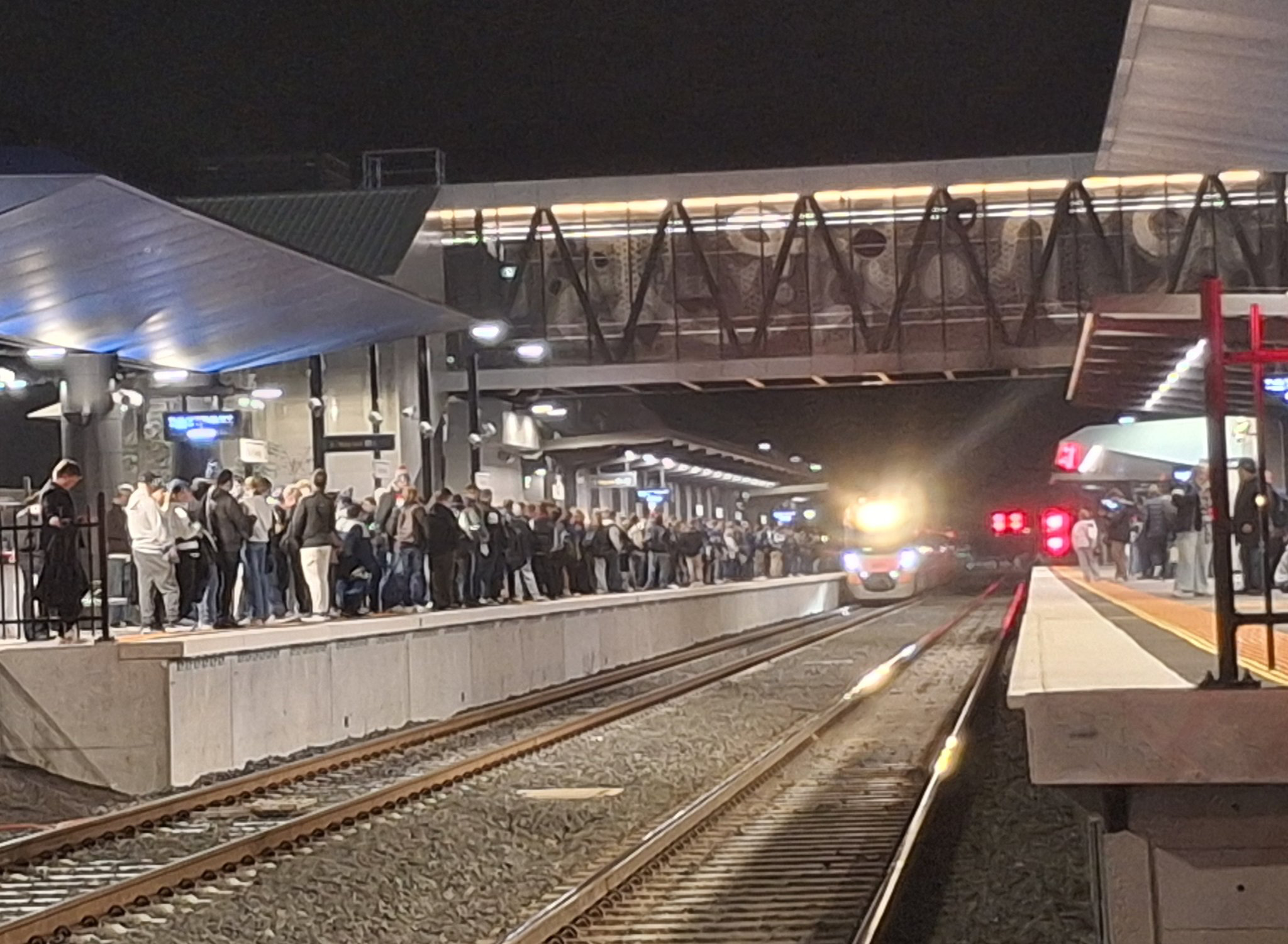
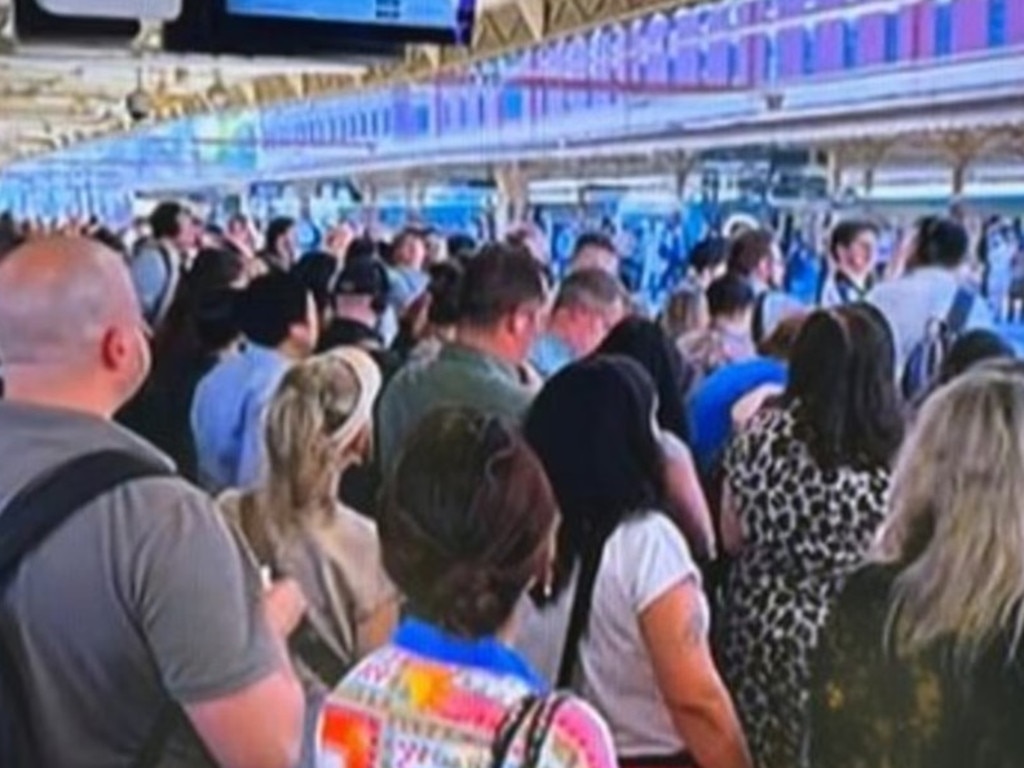
\- More people using buses and trains leads to less road congestion, especially in popular tourist destination’s.
\- Conserves natural resources
\- Public transport uses fuel and energy more efficiently by carrying many passengers at once.
\- Protects natural and cultural sites
\- Reduced vehicle traffic decreases noise, pollution and physical damage around sensitive tourist attractions and protected areas.
\- Supports sustainable tourism
Public transport encourages responsible travel practices helping to preserve destinations for future generations.
Public transport tourism is major component towards New Zealand’s sustainable, environmentally friendly tourism industry.
For further information concerning the points raised in this discussion article –
* [New Zealand’s National Public Transport Network](https://www.publictransportforum.nz/articles/article/national-public-transport-network-07-06-2022/)
* [*CityConnect* – national inter-regional public transport network](https://www.publictransportforum.nz/articles/article/cityconnect-national-public-transport-network-02-04-2024)
* [Motu Move – National public transport payment system](https://www.publictransportforum.nz/articles/article/new-national-public-transport-payment-system-12-06-2024)