Cranbourne line trains were more likely to be cancelled or cut short in the first eight months of the Metro Tunnel timetable than during the same period a year earlier, according to the State Government’s operational performance statistics.
Commuters pointed to incidents on the western side of the network, saying disruptions there could flow through to Cranbourne services.
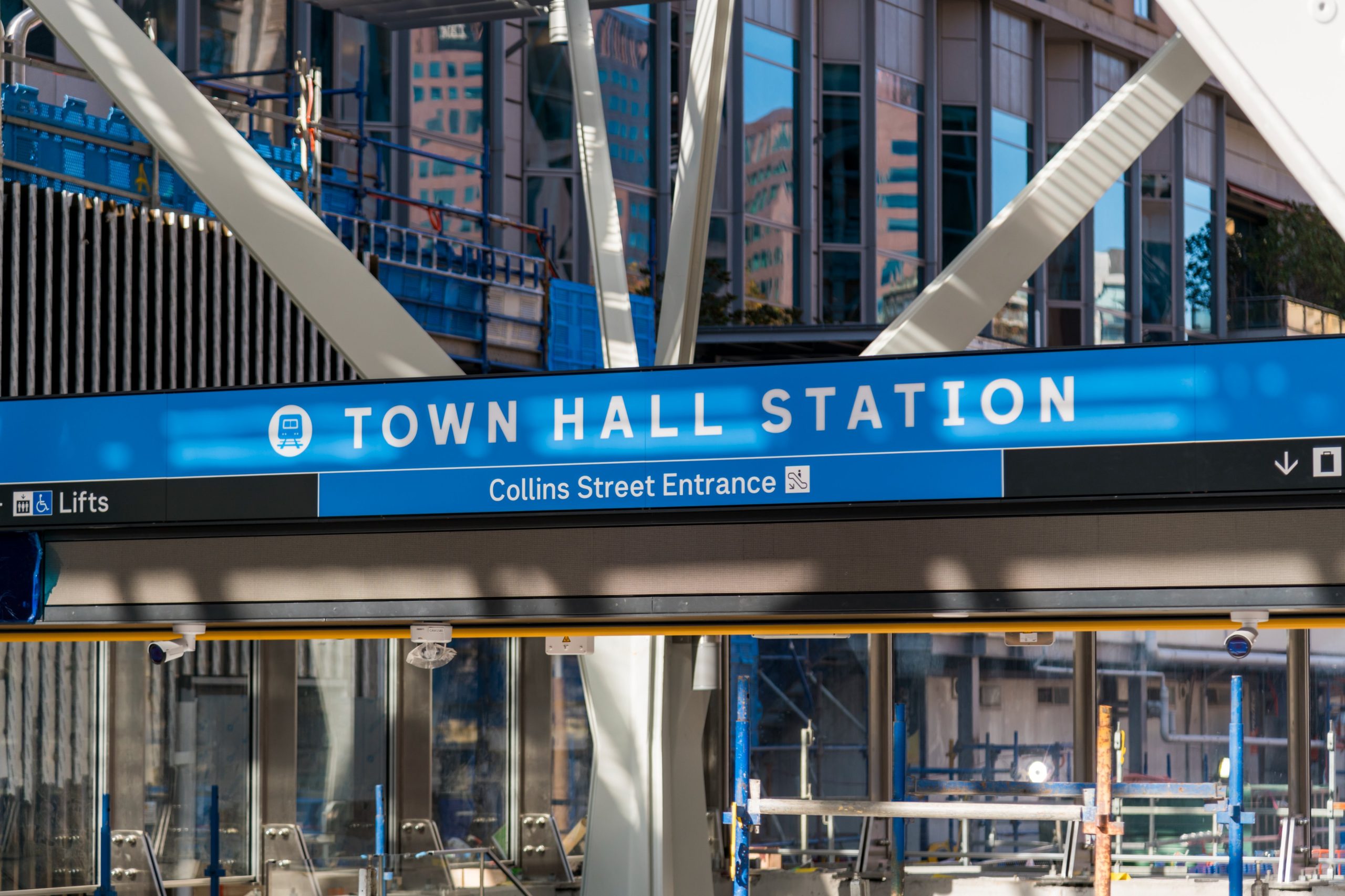
Metro Tunnel’s full timetable was introduced on 1 February.
The new timetable linked Cranbourne and Pakenham trains with the Sunbury line through the tunnel, creating a cross-city route between the south east and west.
From February to September 2026, about 2.4 per cent of scheduled Cranbourne line trains were cut short, up from 0.5 per cent in the same periods last year.
The cancellation rate increased from 0.5 per cent to 1.3 per cent.
More services were scheduled this year, 33,178, compared with 30,648 over the same months in 2025. The number of on-time trains increased, but not as quickly as the timetable grew, as the on-time rate fell from 96.2 per cent to 95.1 per cent.
September was the worst month for short services, with 417 of 4076 scheduled trains cut short, a rate of 10.2 per cent.
There were also 112 cancellations, or 2.7 per cent.
Industrial action affecting the Cranbourne line started on 1 September and finished on September 4.
Metro Trains has advised that the industrial action in September had contributed to a shortage of trains available to run services on the Cranbourne, Pakenham and Sunbury lines.
A former commuter from Noble Park, who asked not to be named, said uncertainty over delays had added time and stress to his journey from Yarraman to Richmond.
He recently left a job in the city for work closer to home, after travel increasingly stretched his days to 10 or 11 hours.
“Once the Tunnel was built, obviously, there was some disruption during that. But once it was all done and opened, there were just more delays,” he said.
“I had to start getting up earlier to catch earlier trains because you didn’t know if it was going to be a 10-minute delay, 20-minute delay, or more.”
He acknowledged that some disruptions, including copper theft and trespassing, were outside Metro’s control.
He said it’s great that they’re running such a frequent service, but as Cranbourne and Pakenham lines have gone all the way to Sunbury, if one train anywhere stops, they all stop.
While he could accept an individual cancellation when another train followed soon after, he said major incidents were harder to manage.
“When there’s a problem, there’s no plan B,” he said, arguing that disruption in one part of the network could affect trains across the city.
He questioned whether Cranbourne services could sometimes run to a city terminus during western-network incidents, instead of being held up by problems elsewhere.
Hampton Park commuter Glen Stokes, who has used the line for about 10 years, said the journey to his job had become unpredictable.
He said he had sometimes arrived as much as three hours late when copper theft halted trains and replacement buses were not available and had paid for a rideshare on other occasions.
“The Cranbourne train goes to the west now. It only used to go to the city, so any issues in Sunshine, they have a flowing effect on the Cranbourne line,” he said.
“And being Sunshine, there’s a lot of crime over there, so there’s a lot of issues in police operations and trespasses and things like that.”
He did not think south east commuters should bear the effects of incidents far from their homes.
Public Transport Users Association (PTUA) spokesperson Daniel Bowen said the increase in trains terminating short was alarming.
He said these services could turn back at Dandenong or Westall, leaving passengers travelling further down the line with longer waits.
“We know that strike action affected train availability for a period this year, particularly in September. Vandalism caused large numbers of cancellations on 10th June, and an overhead power fault caused widespread disruptions on 7th April,” he said.
“The connection through the Metro Tunnel has made cross-city trips and access to Parkville easier, but delays flowing through from west to east are a concern.
“Ensuring trains run at high frequency at all times of day can help minimise the delays and crowding when services do have to be cancelled or terminated early.
“Ultimately, Metro and the government need to do more to reduce delays and disruptions. Whether it’s due to train faults, equipment failures or other issues, a long wait for a train home is nobody’s idea of fun – passengers need a service they can rely on.”
A Metro Trains spokesperson said external factors, including vandalism and trespassing, had affected services across the Cranbourne line.
Metro Train’s Network Security and Surveillance team worked with Victoria Police’s Transit Division, using more than 14,000 CCTV cameras to monitor hotspots and track vandals.
New practices to reduce the rate of vandalism included ongoing surveillance at known hotspots, drones to detect trespassers, and technology to track signalling cables, Metro has advised.