Australia’s digital infrastructure is shifting gears. According to a fresh report from Data Centres Australia (DCA) and DC Byte, the national data centre pipeline has expanded by a massive 5.2GW in just six months, pushing total forecast capacity to 26.8GW (up from 21.6GW in April).
More importantly, the geography of Australia’s tech boom is changing. In a milestone shift, Melbourne has officially overtaken Sydney in total forecast capacity, while regional hubs outside the two major capitals are capturing a rapidly growing share of the market.
The State-by-State Battle: Melbourne Pulls Ahead
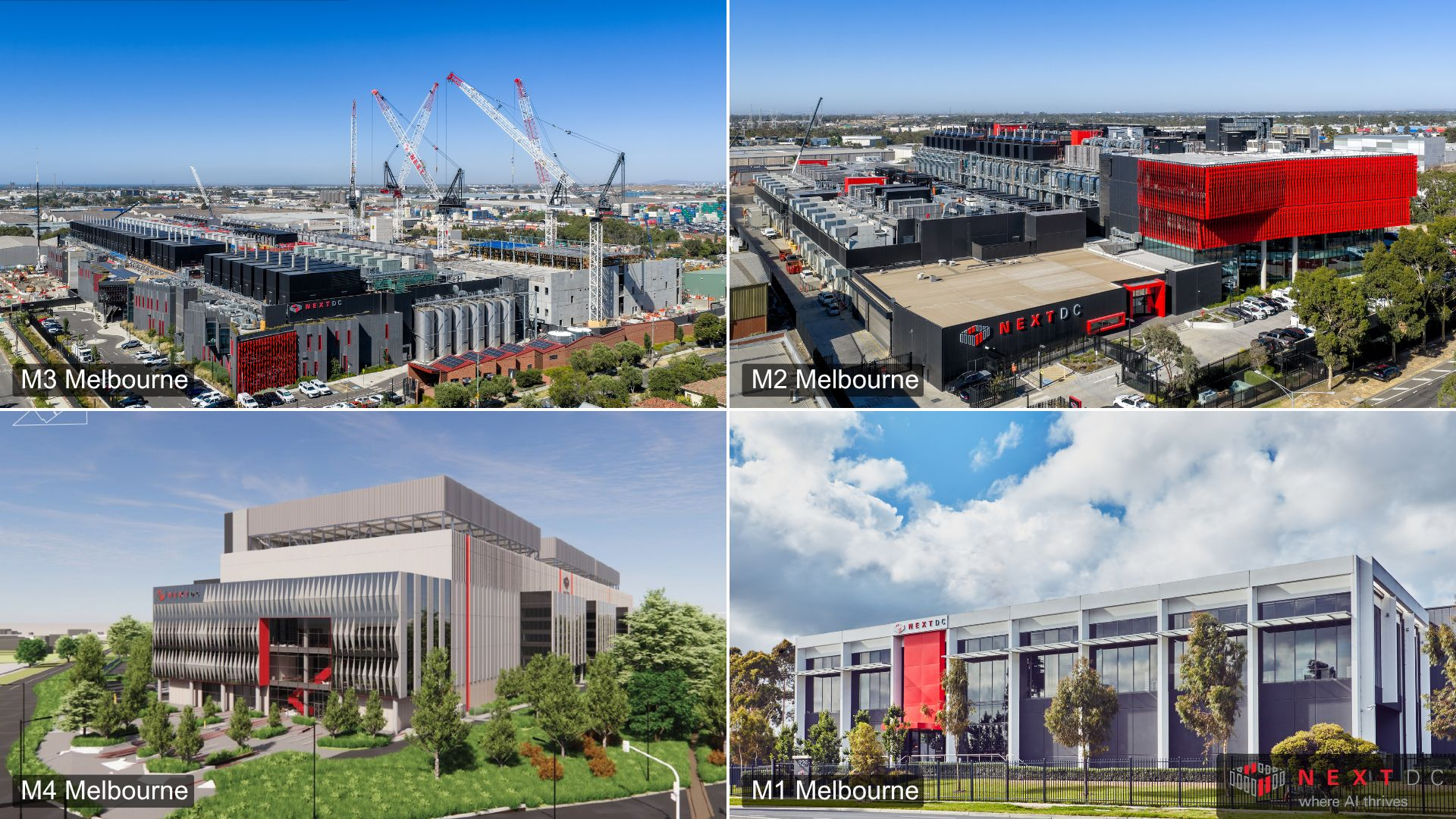
Melbourne’s total forecast pipeline jumped by 1.7GW since April to hit 10.7GW, pulling ahead of Sydney, which saw its pipeline shrink from 11.4GW down to 7.8GW.
Why the divergence? The report points to stark differences in local energy availability, government policy, and approval bottlenecks:
- The Victorian Advantage: Victoria’s Development Facilitation Program helped fast-track projects from early-stage planning into committed pipelines quicker than New South Wales’ State Significant Development process. Melbourne recorded a 1.2GW bump in committed capacity.
- Sydney’s Squeeze: Sydney’s contraction reflects announced energy constraints, lengthier approval timelines, and shifting policy winds.
However, the plot thickens for Victoria. The report notes that the Victorian Government has recently introduced new policies for data centres alongside an apparent approval pause ahead of the state election.
“The analysis shows pronounced growth in the data centre pipeline in Victoria over the last six months, likely attributable to the state government’s efforts to attract investment,” said DCA CEO Belinda Dennett. “We expect recent changes in policy may have an impact on whether this continues.”
Beyond the Big Two: The Rise of the Regions
It’s not just a Melbourne vs. Sydney story anymore. Developers are looking further afield as energy constraints and unique AI workloads reshape site selection.
Back in Q3 2024, regions outside Sydney and Melbourne accounted for just 19% of the forecast pipeline. By September 2026, that share has climbed to 31%, encompassing early-stage projects across Queensland, Tasmania, South Australia, Western Australia, and regional pockets of NSW and Victoria.
Operational Reality vs. The Pipeline
While the headline numbers are staggering, the DCA/DC Byte report maintains a reality check. Rather than taking every announced grid connection at face value, the report factors in hard limits: land availability, power access, permits, developer track records, and customer ramp-up timelines.
Right now, Australia has 1.6GW of operational capacity spread across 163 tracked facilities. That number is projected to climb to 3.9GW by 2030 (up from a previous 3.2GW forecast).
Meanwhile, construction activity is accelerating. “Capacity under construction has doubled since our April report and more capacity has moved from early stage to committed, demonstrating continued demand in the market,” Dennett noted.