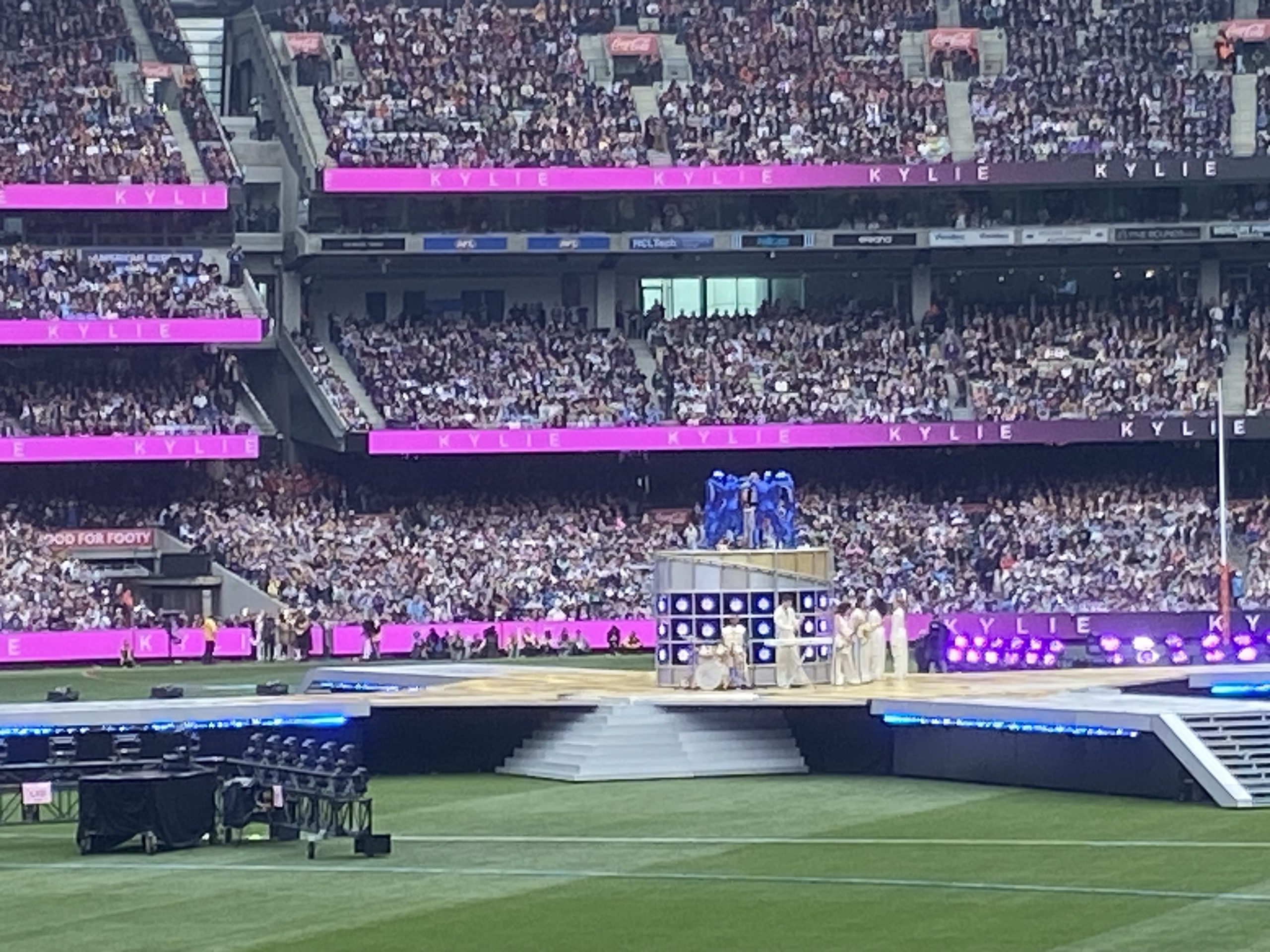
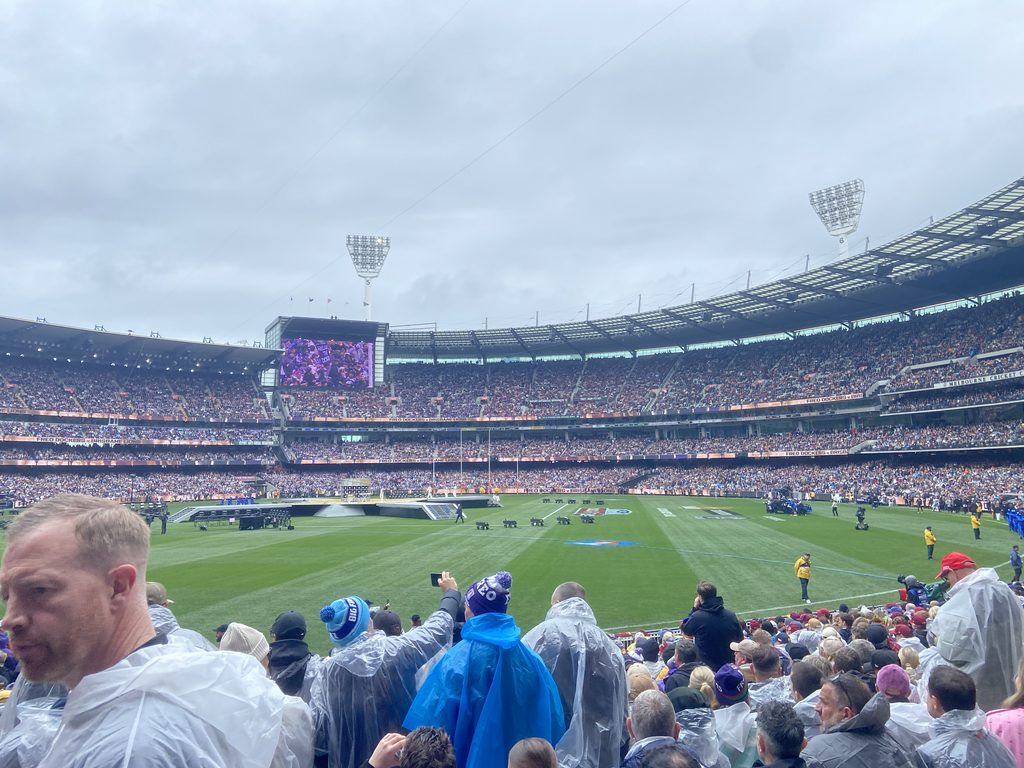
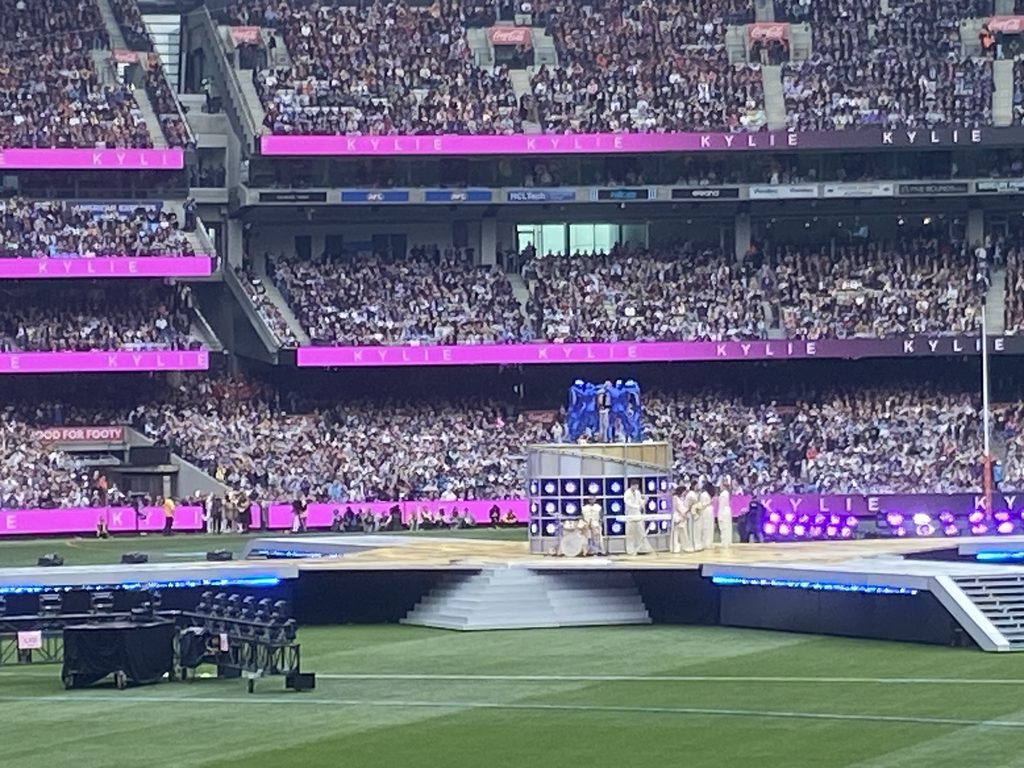
The 2026 AFL Grand Final will be remembered as one of the greatest deciders in the code’s history, a match that swung so dramatically in its final minutes that it left both sets of supporters shaken by the time the siren sounded. Played at the MCG on Saturday, 26 September 2026, the game pitted the Brisbane Lions against the Fremantle Dockers in a contest between two very different stories: a dynasty chasing history against a club chasing its very first taste of glory.
For most of the afternoon, it looked as though Fremantle would finally break through. The Dockers, playing in just their second Grand Final in 32 seasons of AFL football, had spent the entire year building towards this moment, finishing the home-and-away season as minor premiers before grinding their way through a difficult finals campaign. As the game entered its final term, Fremantle held a commanding 17-point lead, and it seemed only a matter of time before the club ended one of the competition’s longest premiership droughts, second only to St Kilda’s.
There was even a moment of levity amid the tension, with Fremantle’s players and fans invoking what became known as “Wharfie Time,” a rallying cry meant to see the job through.
But football has a way of humbling even the most assured of leads, and Brisbane refused to let the moment slip away quietly. The Lions, appearing in their fourth consecutive Grand Final and chasing an extraordinary third straight flag, began peppering the goals as the clock wound down, initially without reward.
Then, in one of the most dramatic sequences in modern Grand Final history, Brisbane produced two enormous goals in the space of a few minutes. Logan Morris was at the heart of the fightback, first steering the Lions into the lead with barely a minute remaining on the clock, then adding the sealer to snuff out any hope of a Fremantle response.
When the final siren sounded, Brisbane had completed the comeback, winning 14.12 (96) to Fremantle’s 12.17 (89), a margin of just seven points that barely captured the emotional whiplash of the quarter that preceded it.
The result carried enormous historical weight. By claiming victory, Brisbane became just the third team this century to complete a premiership three-peat, following up their triumphs over Sydney in 2024 and Geelong in 2025. It placed the Lions in the same rarefied company as Hawthorn’s dynasty of 2013 to 2015, cementing coach Chris Fagan’s side as one of the great teams of the modern era.
For Fremantle, the loss was a heartbreaking near-miss rather than a failure; reaching the Grand Final at all was a significant achievement for a club still searching for its maiden premiership since joining the league in 1995, and the manner of the defeat, having led so late, will sting for a long time to come.
Beyond the result itself, the 2026 finals series as a whole was a triumph for the AFL, drawing extraordinary crowds and television audiences. The opening weekend of the finals alone attracted almost a quarter of a million fans across matches played in four different states, and the broadcast numbers made it the most-watched premiership fixture of any football code in Australia that year.
Against that backdrop, the Grand Final itself delivered a fitting climax: a contest that swung on its head in the space of a few frantic minutes, sealing Brisbane’s place in history while leaving Fremantle to reflect on what might have been.