Policy Recommendations
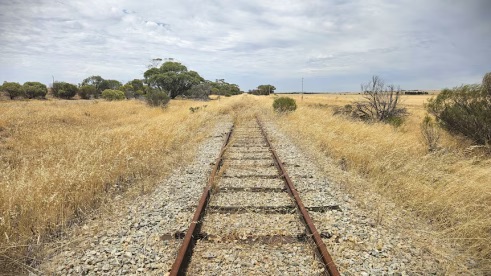
The preceding discussion highlighted the urgent need for a shift away from road-centric freight transport in regional Australia, spurred by the compelling advocacy efforts of numerous communities directly impacted by its negative consequences. A fundamental component of achieving a truly sustainable freight system lies in strategically investing in and upgrading the nation’s rail infrastructure. This requires a comprehensive policy framework encompassing targeted projects, innovative funding mechanisms, and a robust evaluation process. Simply put, we need to make rail a more competitive and attractive option for freight operators.
The current state of Australia’s rail network presents a mixed picture. While some major lines are well-maintained and efficiently operated, many regional lines suffer from underinvestment, leading to capacity constraints, reduced speeds, and higher operating costs. This disparity undermines rail’s potential to compete effectively with road transport, perpetuating the reliance on heavy vehicles and their associated environmental and social costs. A comprehensive national strategy is therefore crucial, focusing on targeted upgrades and expansions to address specific bottlenecks and unlock the full potential of rail freight.
One key area requiring immediate attention is the upgrading of existing rail lines in regional areas. Many lines lack the capacity to handle heavier trains or higher speeds, limiting their efficiency and competitiveness. This necessitates significant investment in track improvements, including rail replacement, ballast upgrades, and the implementation of modern signaling systems. Such improvements would allow for the transportation of larger freight volumes with increased speed and frequency, significantly reducing transit times and overall transportation costs.
The economic benefits of such upgrades are substantial and readily quantifiable. A cost-benefit analysis, drawing upon established engineering and economic methodologies, can accurately assess the return on investment for specific projects. For instance, a study focusing on the upgrade of the line between Broken Hill and Port Augusta could quantify the savings in fuel consumption, reduced wear and tear on roads, and decreased greenhouse gas emissions resulting from a shift from road to rail. Similarly, an analysis of upgrades along the Melbourne to Adelaide line could quantify the benefits in terms of increased freight capacity, reduced congestion, and enhanced efficiency for agricultural and manufacturing industries. These analyses, meticulously detailed and transparent, would form the basis for informed policy decisions, justifying the necessary financial commitment.
Beyond upgrading existing lines, the construction of new rail lines in strategically important regions is also crucial. This necessitates a careful assessment of freight corridors experiencing the highest levels of road traffic and environmental pressure. For example, the construction of a new rail line connecting key agricultural regions in northern New South Wales to major ports would alleviate road congestion, reduce transport costs for farmers, and minimise environmental damage. Similarly, a new rail link between major mining operations in the regions and port facilities could significantly reduce the number of heavy-haul trucks on Western Australian roads, mitigating both environmental and safety risks.
The implementation of these ambitious projects requires substantial investment, and innovative funding mechanisms must be developed to secure this funding. Public-private partnerships (PPPs) offer a promising avenue for attracting private sector investment while leveraging government expertise and regulatory oversight. A well-structured PPP would delineate clear roles and responsibilities for both partners, ensuring transparency and accountability. Careful consideration must be given to the structuring of contracts, including risk allocation, performance metrics, and the sharing of profits and losses. A critical element of a successful PPP model is a robust regulatory framework, ensuring fair competition, protecting public interests, and promoting the long-term viability of the project.
However, simply constructing new rail lines or upgrading existing ones is insufficient without addressing operational efficiency. This requires significant investment in modern rolling stock, including high-capacity freight wagons and efficient locomotives. The integration of advanced technologies such as GPS tracking, predictive maintenance, and real-time monitoring systems can further enhance operational efficiency and reduce operational costs. These technologies would improve train scheduling, optimise fuel consumption, and minimise delays, resulting in a more reliable and cost-effective rail freight system.
Furthermore, government policy must play a critical role in fostering a favorable environment for rail freight. This includes streamlining regulatory processes to expedite approvals for infrastructure projects and implementing policies to encourage the modal shift from road to rail. Tax incentives, grants, and subsidies can incentivise freight operators to shift their operations to rail, overcoming the initial capital costs and risks associated with adopting a new transportation mode. Subsidies targeting the transportation of environmentally sensitive goods, such as agricultural produce and raw materials, could help accelerate the transition towards a greener freight system.
The success of any investment in rail infrastructure hinges on effective governance and management. Establishing a dedicated national rail authority with clear responsibilities for planning, investment, and oversight is crucial. This authority should be tasked with coordinating activities across different jurisdictions, ensuring the development of a unified and integrated rail network. Its mandate would include conducting thorough cost-benefit analyses of infrastructure projects, overseeing public-private partnerships, and monitoring the performance of rail operators to ensure efficiency and cost-effectiveness. The authority’s actions should be guided by a clear national strategic plan for rail freight, outlining long-term objectives and strategies for achieving them. Transparent reporting mechanisms and rigorous performance indicators are essential to ensure accountability and inform future policy adjustments.
The policy recommendations outlined here are not merely aspirational; they are grounded in the demonstrable need for a sustainable freight system, one that prioritises the well-being of regional communities and the preservation of Australia’s environment. The advocacy efforts discussed earlier underscore the urgent need for action. By investing strategically in rail infrastructure, streamlining regulatory processes, and implementing innovative funding mechanisms, Australia can unlock the immense potential of rail freight, creating a more efficient, sustainable, and equitable transport system for all. The economic benefits, both short-term and long-term, are significant, readily quantifiable, and warrant immediate and decisive action. The future of regional Australia, and indeed the nation’s overall economic prosperity, depends on it. The detailed cost-benefit analyses, along with comprehensive environmental impact assessments, should form the foundation of any investment decision, assuring the long-term viability and sustainability of this critical national infrastructure. This data-driven approach, coupled with a commitment to collaboration among government, industry, and communities, represents the path towards a truly sustainable freight system for Australia.
Reforming Procurement Proceses
Reforming procurement processes is crucial for building a sustainable freight system. The current system, in many instances, lacks transparency and is susceptible to bias, potentially favouring certain companies over others based on factors unrelated to merit or project suitability. This not only undermines the efficiency and cost-effectiveness of infrastructure projects but also erodes public trust. The lack of clear, consistent criteria in awarding contracts can lead to suboptimal outcomes, potentially resulting in higher costs, inferior quality infrastructure, and delayed project completion. This ultimately translates into increased transportation costs for businesses, higher prices for consumers, and a less efficient overall freight system.
To address these shortcomings, a comprehensive overhaul of procurement processes is necessary. This involves adopting a multi-pronged approach, encompassing stricter regulations, improved oversight mechanisms, and the incorporation of international best practices. Firstly, the implementation of robust and transparent bidding processes is essential. This requires clearly defined criteria for evaluating bids, with a strong emphasis on factors like cost-effectiveness, technical expertise, environmental impact, and long-term sustainability. Transparency in the evaluation process is paramount, ensuring that all stakeholders, including the public, have access to information on how bids are assessed and contracts awarded.
The use of independent auditing and review processes is vital to safeguard against bias and potential corruption. Independent audits, conducted by reputable and impartial firms, should scrutinize all aspects of the procurement process, from the initial stages of tendering to the final contract award. These audits should not only verify the accuracy and completeness of the bidding process but also assess the fairness and transparency of the evaluation criteria. Regular audits, conducted at different stages of the project lifecycle, would provide continuous oversight and prevent irregularities from going undetected. The findings of these audits should be made publicly available to foster accountability and maintain public trust.
Furthermore, strengthening regulatory oversight is crucial. This includes establishing a dedicated independent body with the authority to monitor and regulate procurement processes, investigate allegations of wrongdoing, and impose penalties on those found to have engaged in corrupt or unethical practices. This body should have the power to review contract awards and, where necessary, to overturn decisions if deemed unfair or lacking transparency. Stronger penalties for non-compliance, including financial sanctions and criminal prosecution in cases of fraud or corruption, would serve as a potent deterrent. The existence of such a powerful and independent body would significantly enhance the integrity of the procurement process.
Examining international best practices is essential to identify successful procurement models and adapt them to the Australian context. Many countries have already implemented effective procurement reforms, incorporating innovative techniques and technologies to improve efficiency, transparency, and accountability. For example, the use of electronic bidding platforms can streamline the process, making it more efficient and accessible to a wider range of bidders. These platforms can also facilitate greater transparency by providing real-time updates on the status of bids and contract awards. Furthermore, the use of pre-qualification criteria can ensure that only qualified and capable bidders are considered, preventing the inclusion of unqualified or inexperienced companies that might compromise the project’s success.
Another important best practice is the implementation of robust conflict-of-interest policies. These policies should explicitly define potential conflicts of interest and establish clear mechanisms for identifying, managing, and mitigating them. This involves establishing rigorous protocols for disclosing any potential conflicts of interest, ensuring that decisions are made based on merit rather than personal connections or financial interests. The implementation of robust conflict-of-interest procedures should extend to all participants involved in the procurement process, from government officials to private sector companies. Regular training programs for those involved in the procurement process would significantly enhance their awareness of conflict-of-interest issues and promote ethical behavior.
Furthermore, the integration of environmental considerations into procurement processes is crucial for building a sustainable freight system. This entails incorporating environmental performance metrics into the evaluation criteria for bids, providing incentives for bidders to adopt environmentally friendly technologies and practices. This includes rewarding bids that propose innovative solutions to reduce greenhouse gas emissions, minimise waste, and promote sustainability throughout the project lifecycle. A clear emphasis on environmental performance, with transparent assessment methods, would encourage contractors to prioritize sustainability, contributing to the overall goal of a greener and more environmentally responsible freight system.
The adoption of life-cycle costing analysis is another valuable best practice. This involves evaluating the long-term costs associated with a project, considering not only initial investment but also ongoing maintenance, operation, and disposal costs. Life-cycle costing encourages bidders to propose solutions that offer long-term value and efficiency, reducing overall costs throughout the project’s lifetime. By considering the entire lifecycle, from design and construction to operation and decommissioning, life-cycle costing ensures that the chosen solution is not only cost-effective in the short term but also provides enduring value over time. This approach will lead to projects that are more sustainable and economically viable in the long run.
The implementation of these recommendations requires a concerted effort from all stakeholders. Government agencies need to take the lead, ensuring the development of clear and consistent regulations, implementing robust oversight mechanisms, and fostering a culture of transparency and accountability. Industry players need to cooperate fully, adhering to ethical standards, and participating constructively in the procurement process. Finally, public scrutiny and engagement are crucial to ensure that the process remains transparent and accountable to the public interest. Open data initiatives, making information about procurement processes freely accessible, would help increase transparency and build trust in the system. Independent oversight committees, comprising experts from various sectors, could provide additional scrutiny and help ensure fairness and transparency in the procurement process.
These combined reforms would not only improve the efficiency and effectiveness of infrastructure projects but also foster a more sustainable and equitable freight system. The result would be a more efficient, reliable, and environmentally friendly freight system, benefiting businesses, consumers, and the environment. The long-term benefits of such reforms far outweigh the initial costs, paving the way for a more robust and sustainable transportation sector in Australia. The investment in reforming procurement processes is an investment in the future of Australia’s economy and environment. The need for immediate and decisive action cannot be overstated. The future of Australia’s freight system hinges on the success of these crucial reforms.
Strengthening Regulatory Oversight
Strengthening regulatory oversight is paramount to achieving a truly sustainable freight system. The current regulatory landscape, in many jurisdictions, suffers from weaknesses that allow for regulatory capture – a situation where regulatory bodies become unduly influenced by the very industries they are meant to oversee. This capture can manifest in various ways, from lax enforcement of existing regulations to the crafting of regulations that benefit specific companies at the expense of broader public interest and environmental sustainability. Addressing this requires a multi-faceted approach that includes strengthening existing agencies, creating new oversight bodies, and implementing robust enforcement mechanisms.
A thorough analysis of existing regulatory frameworks is the first crucial step. This involves identifying loopholes, inconsistencies, and areas where regulations are outdated or ineffective. For example, many regulations concerning emissions standards for freight vehicles are lagging behind technological advancements, resulting in continued high levels of pollution. Similarly, regulations regarding driver fatigue and working conditions often lack the teeth to ensure compliance, potentially leading to accidents and impacting the overall safety of the freight network. Such an analysis should not be limited to a narrow legalistic interpretation; it must delve into the practical application of regulations, including how they are enforced, monitored and interpreted by stakeholders. This requires engagement with industry players, regulatory agencies, and affected communities to gain a complete understanding of the existing regulatory landscape and its shortcomings.
Based on this analysis, specific policy recommendations can be developed. This might involve amending existing legislation to close loopholes, increase penalties for non-compliance, and strengthen enforcement mechanisms. For example, introducing stricter penalties for companies that consistently violate emissions standards, coupled with regular and rigorous inspections, would act as a significant deterrent. Similarly, improved monitoring technologies, such as GPS tracking devices and electronic logging systems, can be implemented to improve the monitoring of driver hours and address concerns regarding driver fatigue. These technological advancements could not only enforce existing regulations but could also inform future policy adjustments through the collection of data on driver behaviour and vehicle performance.
The creation of independent oversight bodies is crucial for preventing regulatory capture. These bodies, staffed by experts independent from the industry they are regulating, would be responsible for monitoring the enforcement of regulations, investigating allegations of non-compliance, and recommending changes to the regulatory framework. Their independence is key; they must be free from political influence and industry pressure to ensure objective and unbiased oversight. The power of these bodies should extend to imposing significant sanctions, including substantial fines, suspension of operating licenses, and even criminal prosecution in cases of serious violations. This strong enforcement arm will deter deliberate non-compliance and ensure industry adherence to the established norms. Furthermore, regular public reporting of their findings, including investigations and enforcement actions, will promote transparency and accountability.
Drawing on international best practices is essential in this endeavour. Many countries have successfully implemented robust regulatory frameworks for their transportation sectors. Studying their experiences, successes, and challenges offers valuable lessons. For example, the European Union’s comprehensive regulations on vehicle emissions, coupled with its robust monitoring and enforcement systems, provide a model for effective regulation. Similarly, the United States’ focus on creating strong and independent regulatory agencies, equipped with robust investigative powers, represents another valuable benchmark. These examples should not be merely replicated; rather, their principles and approaches should be carefully evaluated and adapted to suit the specific context of Australia’s unique freight system, taking into account factors like geography, infrastructure, and industry composition.
Furthermore, public participation is essential in strengthening regulatory oversight. Public forums, consultations, and engagement strategies should be employed to obtain input from various stakeholders, including communities affected by freight transport activities, environmental advocacy groups, and industry representatives. This collaborative approach can help build consensus on regulatory changes, ensuring their legitimacy and fostering cooperation. The implementation of open data initiatives, making data on freight transport activities and regulatory enforcement publicly accessible, is also vital. This promotes transparency and accountability, allowing for informed public scrutiny of the regulatory system. By encouraging public participation, the process becomes more democratic and responsive to the needs of all stakeholders.
Moreover, the integration of technological advancements is critical in modernising the regulatory framework. The use of advanced data analytics can enhance the efficiency and effectiveness of regulatory enforcement. For instance, analyzing real-time data on vehicle emissions and traffic patterns can help identify potential violations more quickly and efficiently. Similarly, the application of artificial intelligence (AI) can help improve the prediction and prevention of potential safety hazards and improve the allocation of resources for regulatory inspections. The adoption of these technological tools should be accompanied by careful consideration of data privacy and security.
In conclusion, strengthening regulatory oversight requires a comprehensive and multi-pronged approach. This involves a rigorous analysis of the current regulatory framework, the development of specific policy recommendations based on this analysis, the creation of independent oversight bodies with strong enforcement powers, the study and adaptation of international best practices, proactive public participation, and the integration of advanced technologies. Only by addressing all these aspects can we create a regulatory system capable of preventing regulatory capture and ensuring the effective enforcement of regulations, thereby paving the way for a truly sustainable and equitable freight system. The implementation of these recommendations will require a long-term commitment and collaborative effort from government agencies, industry players, and the broader public. The ultimate goal is a safer, more efficient, and more environmentally responsible freight system that benefits all Australians. The investment in strengthening regulatory oversight is an investment in the future of Australia’s transportation infrastructure and the economy as a whole. The long-term benefits significantly outweigh the immediate costs of implementation and reform.
Incentivising Rail Freight
The shift towards a truly sustainable freight system necessitates a significant increase in the utilization of rail freight. Road transport, while currently dominant, suffers from significant drawbacks: higher carbon emissions per ton-kilometer, increased congestion in urban areas, and higher accident rates. Rail, on the other hand, offers a more environmentally friendly and efficient alternative for the movement of bulk goods and long-distance haulage. However, various factors currently hinder the widespread adoption of rail freight, including higher initial infrastructure costs, perceived lower speed and flexibility compared to road, and a lack of intermodal connectivity. Addressing these challenges requires a comprehensive strategy that includes significant policy intervention focused on incentivising rail freight.
One of the most effective ways to encourage the shift towards rail is through a carefully designed system of financial incentives. This isn’t about simply throwing money at the problem; rather, it necessitates a nuanced approach that considers the economic realities of both the rail industry and the businesses that utilize freight transport. A blanket subsidy, for instance, might be inefficient and expensive, potentially benefiting larger companies disproportionately while failing to spur innovation or widespread adoption.
A more strategic approach involves targeted tax breaks and subsidies. For example, tax credits could be offered to businesses that invest in upgrading their facilities to handle rail freight, including the construction of rail sidings or the purchase of specialised loading and unloading equipment. This would directly address the initial capital investment barrier many businesses face when considering switching from road to rail. Furthermore, tax incentives could be structured to reward companies that commit to transporting a certain percentage of their goods by rail over a defined period. This creates a long-term incentive that goes beyond short-term gains, fostering a genuine shift in logistics strategies.
Subsidies can be further tailored to specific sectors or regions. For instance, industries that generate significant greenhouse gas emissions through road transport, such as mining or manufacturing, could be targeted with higher subsidies for rail freight. Similarly, regions with limited road infrastructure or significant environmental concerns could benefit from increased incentives for rail development and utilization. The crucial element is targeting these incentives to maximize their impact and ensure cost-effectiveness. This requires detailed economic modeling to predict the effects of different incentive schemes on market behavior, taking into account factors such as price elasticity of demand for rail services, the substitutability between road and rail transport, and the potential for unintended consequences.
Economic modeling can simulate different scenarios to determine the optimal combination of tax incentives and subsidies. For example, a model could compare the cost-effectiveness of a tax credit for rail infrastructure investment versus a direct subsidy for rail freight services. It could also analyse how different incentive levels impact the modal split (the proportion of freight transported by different modes), carbon emissions, and overall economic efficiency. This predictive capability allows policymakers to tailor incentives to achieve specific policy goals, such as a reduction in carbon emissions by a certain percentage or an increase in rail freight market share by a specific target.
The design of effective incentive schemes should also consider the specific characteristics of the rail freight industry. This includes understanding the operational challenges, the competitive landscape, and the regulatory environment. For example, the complexity of coordinating rail transport across different jurisdictions or the need for better interoperability between different rail networks must be taken into account. Incentives could be designed to address these challenges, such as providing funding for the development of intermodal terminals or facilitating the harmonization of rail regulations across different regions.
Furthermore, international best practices provide valuable lessons for designing effective rail freight incentives. Countries like Germany and Switzerland have successfully integrated rail into their freight transportation systems, achieving high levels of efficiency and sustainability. Analysing their policy approaches, including the types of incentives employed, their design and implementation, and their effectiveness in achieving their stated goals, offers crucial insights. This comparative analysis allows for the identification of successful strategies that can be adapted to the Australian context, taking into account factors such as the unique geographical characteristics of the country, the structure of the rail network, and the specific needs of Australian businesses.
However, simply adopting foreign models isn’t sufficient. A critical aspect is understanding the contextual factors that contribute to the success of such schemes in other countries. For instance, the effectiveness of an incentive in one country might be dependent on factors such as the pre-existing rail infrastructure, the level of government support for the rail industry, and the degree of competition in the freight transport market. Therefore, a thorough assessment of the Australian context, comparing it to international examples, is essential for identifying suitable adaptations and ensuring the successful implementation of incentive schemes.
Moreover, effective incentivisation strategies require ongoing monitoring and evaluation. Once a policy is implemented, its impact should be regularly assessed to determine its effectiveness in achieving its intended goals. This requires the collection and analysis of data on rail freight volumes, carbon emissions, economic efficiency, and other relevant metrics. This data can inform adjustments to the incentive scheme, ensuring it remains effective and adaptable to changing circumstances. This iterative approach ensures that the policy remains relevant and responsive to the evolving needs of the freight industry and the broader economic context.
Beyond financial incentives, other policy levers can be employed to promote rail freight. This includes streamlining regulatory processes to reduce delays and bureaucratic hurdles associated with rail infrastructure development and operation. Improved infrastructure planning and investment are also crucial, focusing on creating a more efficient and interconnected rail network. Investing in upgrades to existing lines, such as improvements to track quality and signaling systems, can increase speed and capacity, improving the competitiveness of rail freight. Further initiatives to enhance intermodal connectivity—for example, ensuring seamless transfers between rail and road transport—can play a critical role in increasing the overall appeal of rail freight.
In summary, incentivising rail freight is not a single-faceted undertaking. It requires a multifaceted strategy that combines carefully designed tax breaks and subsidies, informed by robust economic modeling and comparative analysis of international best practices. It necessitates a commitment to ongoing monitoring and evaluation, adaptive policy adjustments, and the implementation of complementary policy measures to address infrastructural limitations and regulatory barriers. The long-term benefits of shifting to a more sustainable and efficient freight system—reducing greenhouse gas emissions, relieving road congestion, improving safety, and enhancing economic competitiveness—far outweigh the initial investment and effort required for the implementation of these policy recommendations. This investment represents a crucial step towards a truly sustainable future for Australia’s freight transport sector.
Promoting Transparency and Accountability
The preceding discussion focused on incentivising a shift towards rail freight through a combination of targeted financial incentives and infrastructural improvements. However, the effectiveness of any policy initiative, no matter how well-designed, hinges on transparency and accountability. Without robust mechanisms to ensure that public funds are used efficiently and that the transportation sector operates ethically, the potential benefits of sustainable freight transport will remain unrealised. Therefore, a crucial component of achieving a sustainable freight system is the implementation of strong measures to promote transparency and accountability across the entire transportation sector.
One of the most critical steps is to significantly increase public access to information related to freight transport. Currently, data on freight movements, infrastructure investment, and operational costs is often fragmented, inaccessible, or inconsistently reported. This lack of transparency hinders public scrutiny and makes it difficult to assess the effectiveness of government policies and the performance of freight operators. To address this, we propose the creation of a centralised, publicly accessible database containing comprehensive and standardised data on all aspects of freight transport. This database should include information on freight volumes by mode of transport, greenhouse gas emissions from various freight operations, infrastructure investment and maintenance costs, and accident statistics. The data should be updated regularly and presented in a user-friendly format, allowing researchers, policymakers, and the public to track trends, identify areas of concern, and evaluate the impact of government interventions. Furthermore, the data should be made available in open data formats to facilitate independent analysis and the development of innovative applications.
The establishment of such a database should be coupled with strengthened regulations requiring transparency from all freight operators. This includes mandatory reporting requirements on a range of metrics, including fuel consumption, emissions, and safety performance. These reports should be subject to independent audits to ensure their accuracy and completeness. The penalties for non-compliance should be substantial enough to deter non-participation, promoting a culture of transparency and accountability. The transparency should not be limited to operational data; it should also extend to financial information. Freight companies should be required to publicly disclose their financial statements, including information on revenue, expenses, and profitability, allowing for better oversight of their activities.
Beyond improving data access, strengthening whistleblower protection laws is critical for fostering a culture of accountability. Individuals working within the transportation sector may have knowledge of unethical practices, safety violations, or environmental damage, but fear of retaliation often prevents them from coming forward. Robust whistleblower protection laws, coupled with independent investigative bodies, are essential to ensure that such information can be brought to light without risking the whistleblower’s employment or safety. These laws should provide clear protections against retaliation, including dismissal, demotion, or harassment. They should also guarantee confidentiality for whistleblowers and establish procedures for handling complaints efficiently and fairly. Moreover, an independent body should be established to investigate allegations of wrongdoing, free from political influence or pressure from the industry. This body should have the authority to subpoena documents, conduct interviews, and impose sanctions on those found to have engaged in unethical or illegal activities. The findings of these investigations should be made public, further promoting transparency and accountability.
Furthermore, enhancing investigative capacity within relevant government agencies is crucial for uncovering and addressing instances of corruption, fraud, and other illegal activities within the freight transport sector. This requires increased funding and training for investigators, as well as improved coordination between different agencies involved in the oversight of freight transport. Investing in advanced data analytics and forensic accounting techniques will enhance the ability of investigators to detect and investigate complex financial crimes. This enhanced investigative capacity should not only focus on reactive investigations but also on proactive monitoring and risk assessment. By utilizing data analytics to identify patterns and anomalies, investigators can proactively identify potential areas of concern and intervene before serious problems arise. This proactive approach would be far more effective and efficient than a solely reactive approach, preventing potentially significant damages and losses.
Finally, to ensure that policy decisions related to freight transport are not unduly influenced by special interests, we need to address the issue of transparency in campaign finance and political donations. The influence of money in politics can create an uneven playing field, giving disproportionate weight to the interests of wealthy individuals and corporations. Introducing stricter regulations on campaign donations and lobbying activities within the transportation sector will help to level the playing field and ensure that policy decisions are driven by public interest rather than private gain. These regulations should include measures to increase the transparency of political donations, such as requiring public disclosure of all donations above a certain threshold, regardless of the donor’s identity. Further, limits on campaign donations from corporations and special interest groups should be established to prevent undue influence. Independent oversight of campaign finance laws should be strengthened to ensure compliance and to investigate any potential violations.
In conclusion, promoting transparency and accountability within the freight transportation sector is not merely a matter of good governance; it is essential for the success of any policy initiative aimed at creating a sustainable and efficient freight system. By increasing public access to information, strengthening whistleblower protections, enhancing investigative capacity, and addressing the issue of campaign finance transparency, we can build a stronger and more trustworthy transportation system, one where public interest is paramount and the pursuit of a sustainable future for freight transport is not undermined by opaque practices or undue influence. This commitment to transparency and accountability is as critical as the investment in infrastructure and the implementation of financial incentives, ultimately ensuring that the considerable resources dedicated to a more sustainable freight system are used effectively and ethically.
Hi Brian, that is very deep…..this sound like legal and political jargon……I am not very familar with that part of it…it correct to say there’s a lot of red tape hindering AUS from progressing in modern rail simliar to those countries you mentioned in your chapters written this?
This is a very extensive piece of work and would have taken much insight and reflection. I like the idea about the conflicts of interest which ism what I say is running the freight industry. The government must play a more hands on role for rail and endure those wishing to use a better form of transport and cheaper in most respects can and claim tax breaks to retool. That is very interesting.
Political donations have ruined the freight industry/
Policy is the major problem.
Why do we have dangerous goods on roads over distances when we have rail freight? The government should be creating incentives to lower emissions and use rail more.
Excellent read shows how the freight industry in Australia is broken and in urgent need of reform. The idea of reform came from the disaster during covid and we have done nothing as usual.