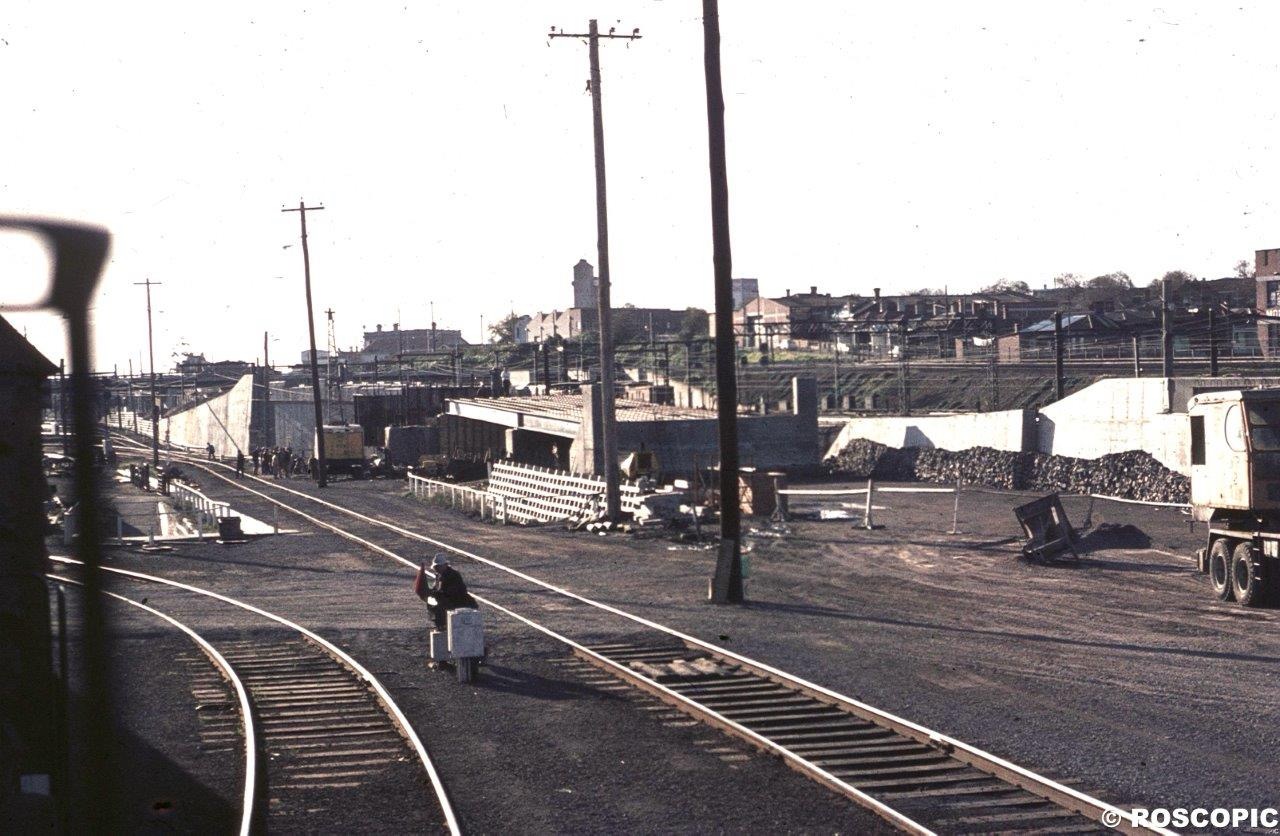
The Melbourne Yard Hump was a critical component of the city’s freight and logistics infrastructure. Designed to facilitate the efficient sorting and organisation of railcars, the yard employed a hump classification system that allows for the rapid assembly of trains destined for various locations across the state.
This facility featured a series of tracks arranged to optimise space and operational flow, with a central hump used to gently propel railcars into designated sidings. The yard’s design ensures minimal manual handling, thereby enhancing safety and productivity.
Construction of the Hump Yard
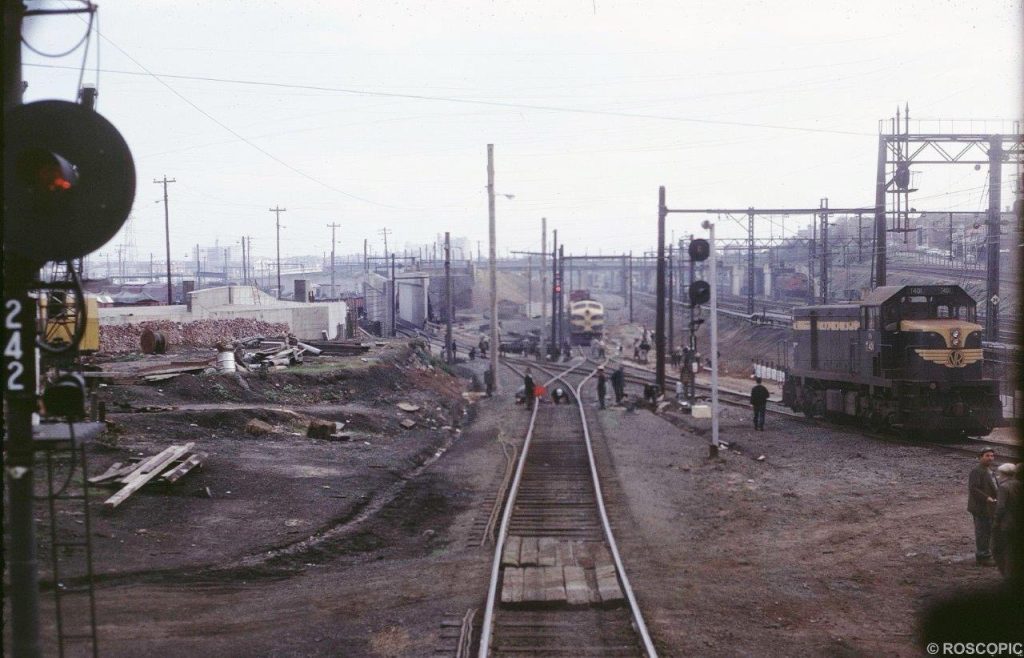
Operationally, the yard supported a high volume of daily rail movements, contributing significantly to Melbourne’s supply chain efficiency. Its strategic location and advanced infrastructure enable seamless integration with regional and national rail networks, making it an indispensable hub for freight transportation.
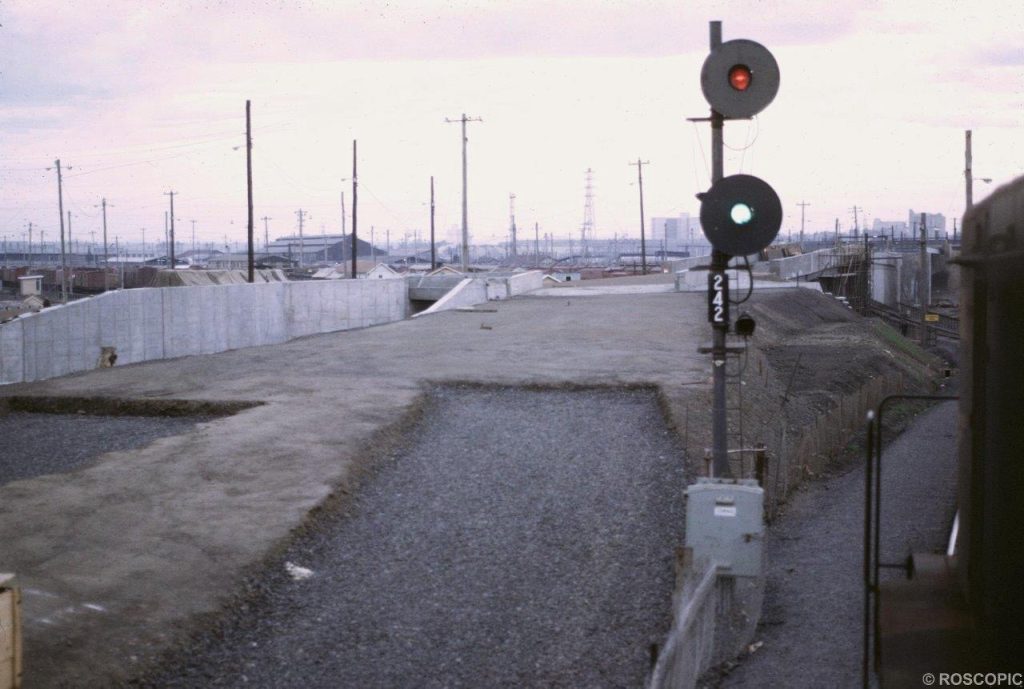
The Melbourne Railway Hump Yard exemplified modern railway logistics, combining technological innovation with operational expertise to meet the demands of contemporary freight management.
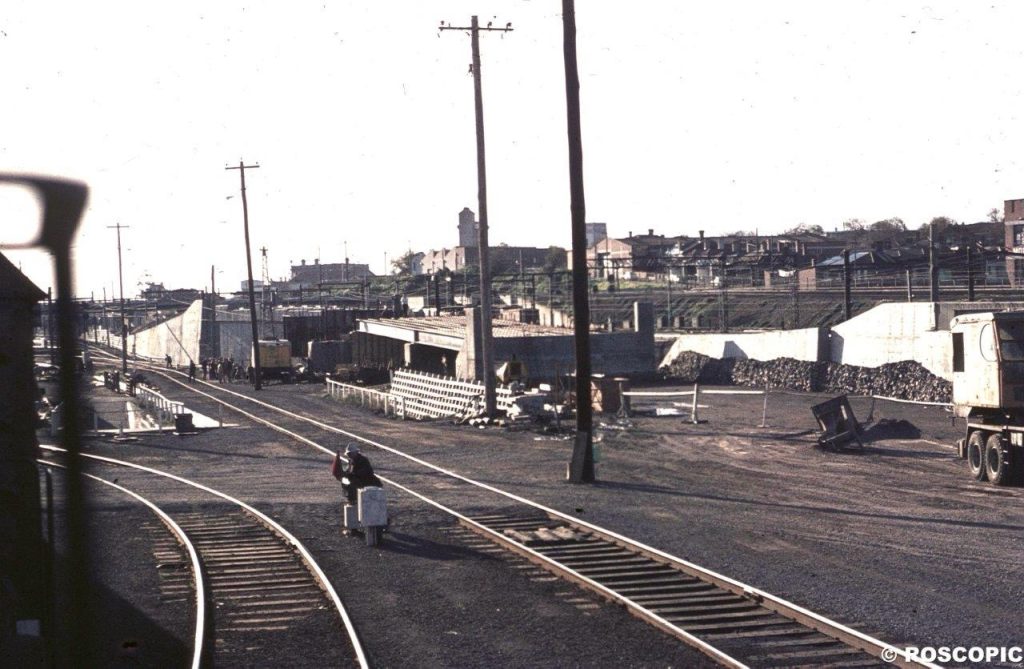
Melbourne’s significant railway yards, including the area known as the Melbourne Yard and its later hump yard facilities, evolved over time, with major developments like the automatic hump yard (using gravity to sort wagons) established around the late 1960s/early 1970s, part of modernising the freight operations, while earlier significant structures like the Number 2 Goods Shed in the same precinct were built much earlier, in 1889. The hump yard itself was a complex system within the broader Melbourne Yard.
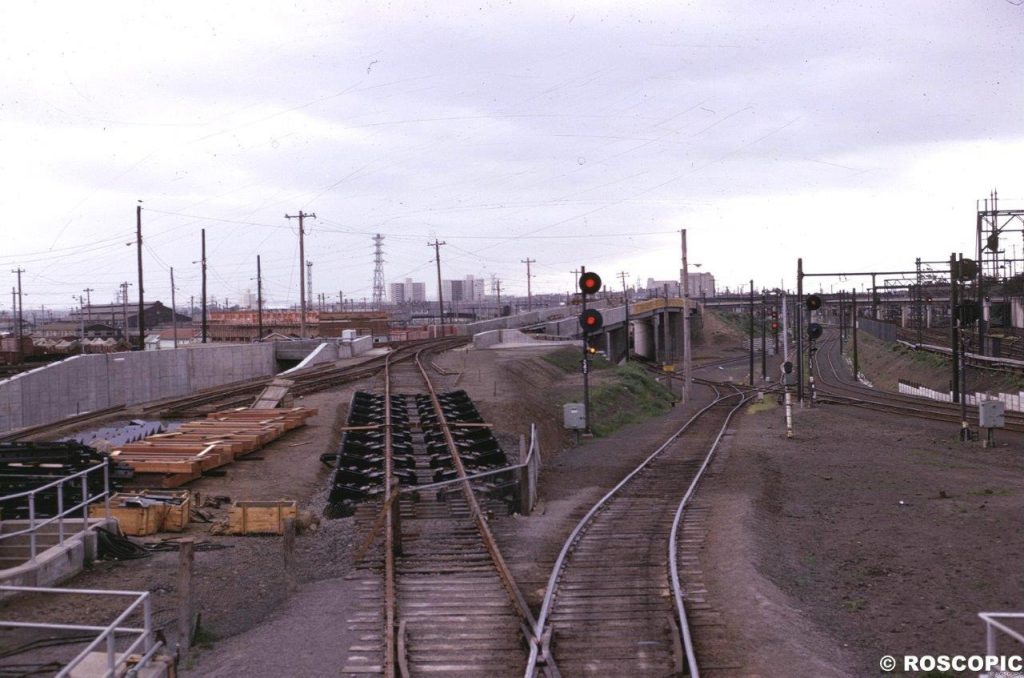
Source: Cclas Loco
Wry good story I did. It know there was a classification yard in Melbourne.
Great to see this development and article.