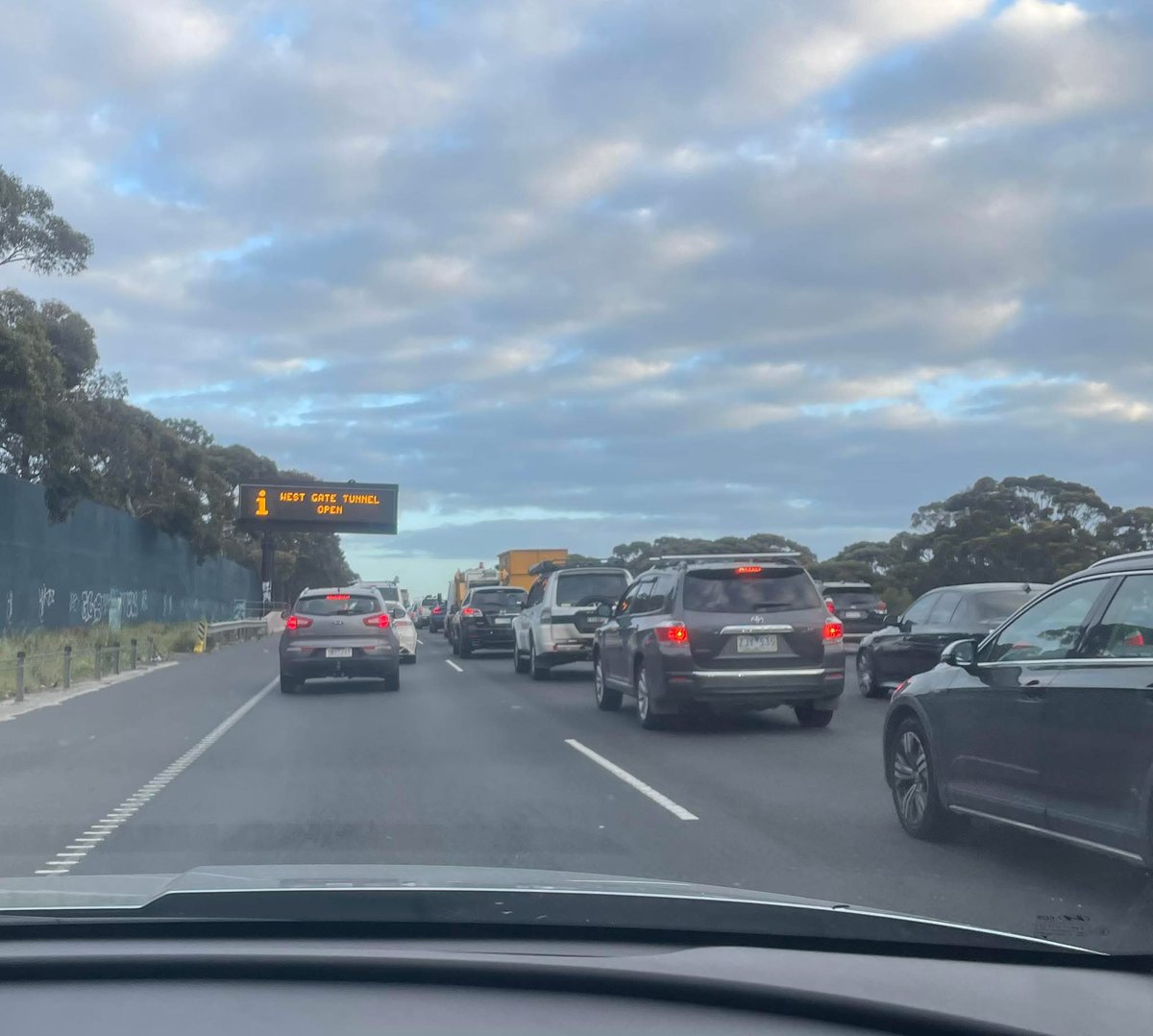
The West Gate Tunnel project has been a subject of considerable debate, with many experts and stakeholders questioning its viability as a sound investment. This infrastructure initiative, aimed at alleviating congestion on Melbourne’s roads, has faced criticism due to its high costs, environmental concerns, and questionable long-term benefits. Conversely, investing in upgraded rail infrastructure to the Port of Melbourne presents a more sustainable and economically advantageous alternative.
One of the primary issues with the West Gate Tunnel is its substantial ongoing financial burden. The project has cost billions of dollars, with some reports suggesting build costs finished at almost $11B due to the experienced unforeseen delays and technical challenges. Such a significant expenditure raises questions about cost-effectiveness, especially when considering the potential for budget overruns common in large-scale infrastructure projects. Moreover, critics argue that the tunnel’s capacity may be insufficient to handle future freight demands, leading to continued congestion and pollution despite the investment.
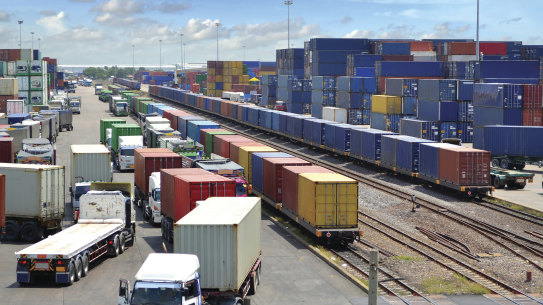
Environmental concerns also cast doubt on the project’s sustainability. Construction activities associated with the tunnel disrupted local ecosystems and contribute to increased vehicle emissions during and after construction. The reliance on road-based freight transport perpetuates reliance on fossil fuels, exacerbating climate change issues. In contrast, upgrading rail infrastructure offers a cleaner alternative; trains are significantly more energy-efficient than trucks and produce fewer emissions per tonne of freight moved. An emphasis on rail would align with broader environmental objectives and reduce Melbourne’s carbon footprint.
Furthermore, the long-term benefits of the West Gate Tunnel are questionable when compared to enhanced rail services. Road tunnels tend to encourage increased vehicle use—a phenomenon known as induced demand—potentially leading to even greater congestion in the future. This undermines one of the project’s core objectives: relieving traffic bottlenecks. Conversely, investing in rail infrastructure can shift freight from roads to trains, alleviating congestion and improving overall traffic flow across Melbourne’s transport network.
From an economic perspective, prioritising rail upgrades would foster regional development and create numerous jobs in construction, maintenance, and operations within the rail sector. Rail investments tend to have higher multipliers in terms of economic growth due to their broader benefits—such as reduced road maintenance costs and improved connectivity for communities along rail lines. Additionally, a robust rail network would enhance Melbourne’s competitiveness as a logistics hub by providing reliable, efficient freight movement directly to the port.
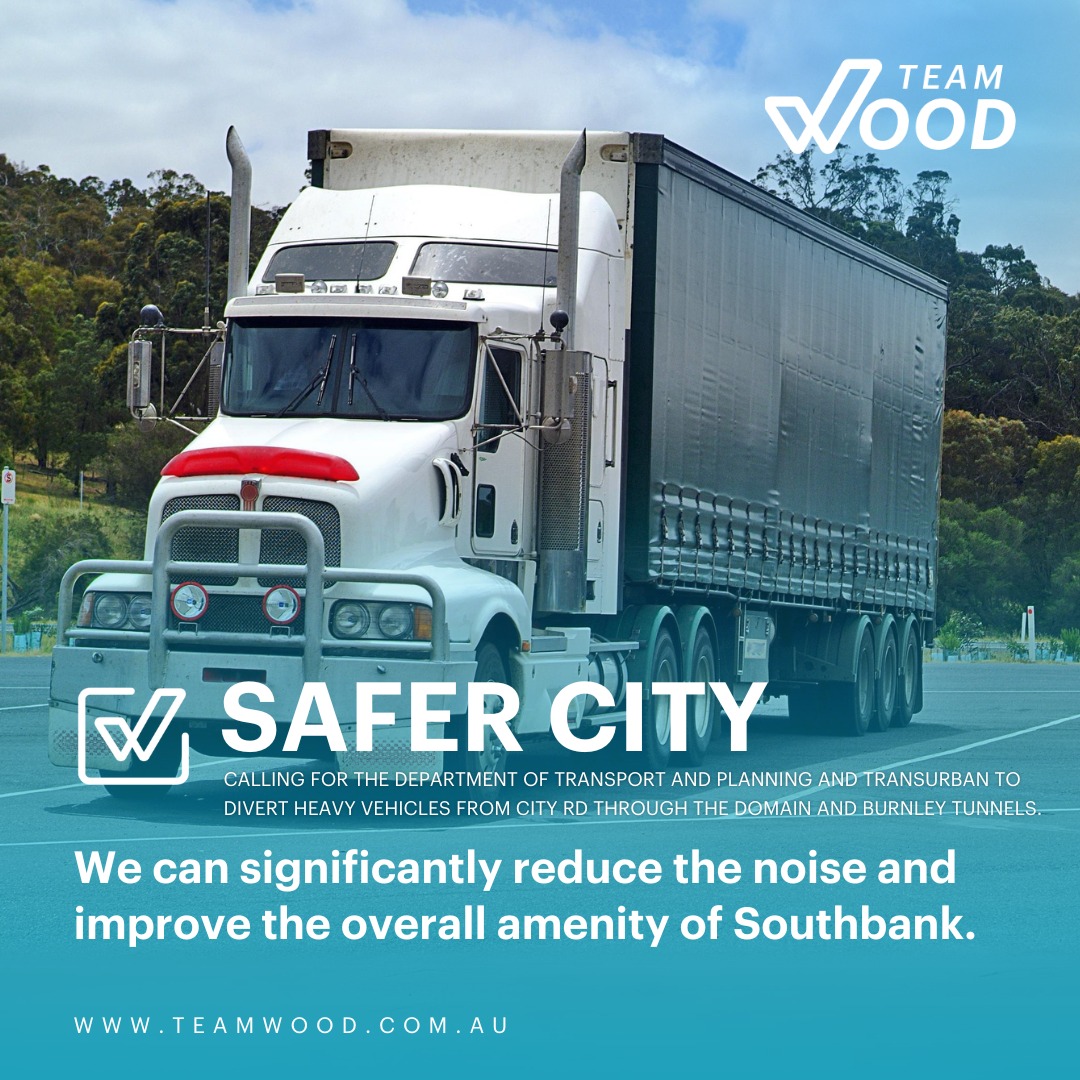
Another critical aspect is urban livability. The West Gate Tunnel’s construction has already caused disruptions, including noise pollution and traffic detours that negatively impact residents’ quality of life. Continued reliance on road expansion projects risks perpetuating these issues rather than resolving them sustainably. Conversely, expanding rail services can reduce surface traffic congestion, leading to quieter neighbourhoods and improved air quality.
While the West Gate Tunnel project aims to address transportation challenges in Melbourne, its high costs, environmental impacts, and limited long-term benefits render it a questionable investment.
Upgrading rail infrastructure to support freight movement at the Port of Melbourne offers a more sustainable solution—reducing emissions, alleviating congestion through modal shift, fostering economic growth, and enhancing urban livability.
Policymakers should consider prioritising investments that promote environmentally responsible growth and long-term efficiency over costly road expansions that may only provide short-lived relief.
Very good assessment of why the project has failed and why people are avoiding the new tunnel as is discussed in the media. If you consider the tunnel really only provides access to the Port of Melbourne in my view it provides very little incentive for anyone with a car to use the tunnel. it does not go anywhere other than into the western area of Melbourne and there are roads into that area that are free.
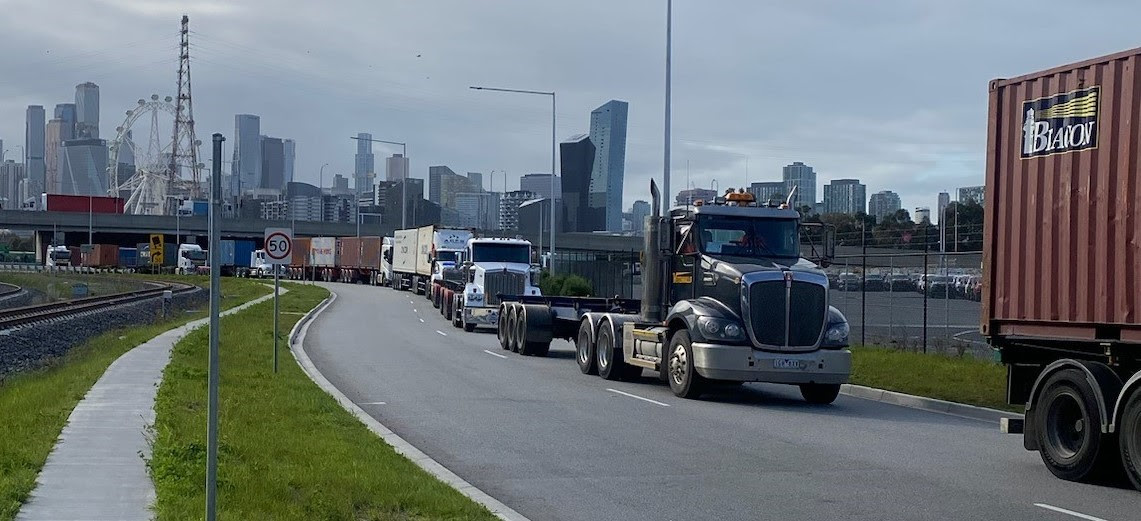
The costs of using the tunnel now far outweigh the benefit this is a considerable problem for trucks who are paying more.
Can we expect trucks to begin using the intermodal terminals for container collection and retrieval and not the Port of Melbourne Directly?
Very very useful article and agree wholly the tunnel is an expensive way to moving freight in and out of the port of Melbourne.
When do the shuttles on rail begin?
Much cheaper to move freight via rail than trucks and expensive tunnels.
The government was advised not to build this road. They went ahead and now more money is wasted and the problem has not been resolved.
Tunnel was shut this week because the sprinkler system activated.
What a dud project.