For generations, Australia’s economic prosperity has been built on what lies beneath its soil. Iron ore, coal, liquefied natural gas and wheat have helped establish Australia as a major global exporter, generating income, supporting employment and contributing to national economic growth.
But as artificial intelligence transforms the global economy, a new opportunity is emerging: Australia could export not only the resources that power the world, but also the intelligence that increasingly drives it.
In his article, From Iron Ore to AI Intelligence: Why Australia Should Export AI Tokens, Brian Evans of Inligo Networks argues that Australia is well placed to develop this new export industry.
Evans captures the opportunity in a simple phrase:
“It is a way of exporting energy without a wire.”
The idea is that Australia could use its abundant renewable energy to power data centres, produce AI computing services and sell those services to customers around the world.
Turning Australian energy into export revenue
Artificial intelligence relies on powerful computer chips, data centres and electricity. Whenever an AI model answers a question, generates computer code or analyses information, it uses computing resources to process and produce data.
That processing is measured in units called tokens. AI providers commonly charge customers according to the number of tokens their models process or generate.
For Australia, this creates a potential new export opportunity.
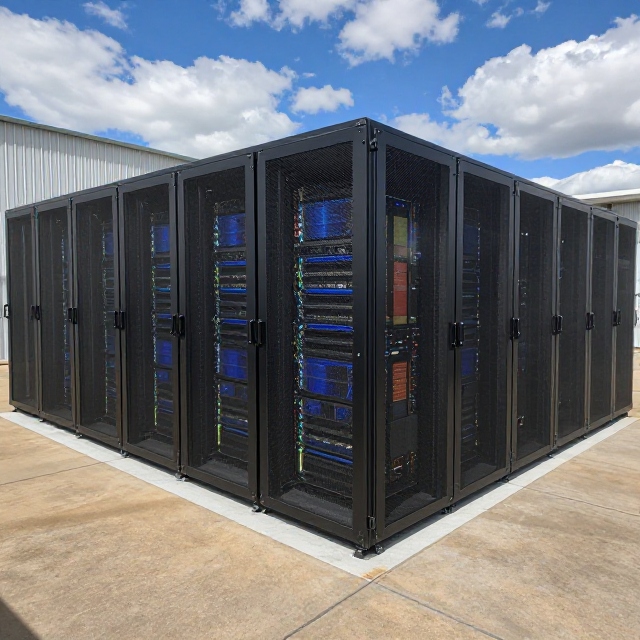
Rather than exporting electricity directly across international borders, Australia could use solar and wind energy to power AI infrastructure domestically. The resulting computing services could then be delivered to overseas customers through high-speed telecommunications networks.
As Evans explains, tokens can be transmitted digitally, without the need for ships, ports or physical freight.
When an overseas company pays an Australian provider for these services, the payment can generate export revenue for Australia. Domestic businesses can use that income to pay employees, invest in technology, purchase local services and expand their operations.
The opportunity is to turn Australian energy into a higher-value digital product for international markets.
Why AI exports matter to Australia’s GDP
Gross domestic product, or GDP, measures the value of goods and services produced within a country.
Exports are an important part of this calculation because they represent goods and services produced domestically and sold to overseas customers.
If Australian companies supply AI computing services to international businesses, the value added by producing those services in Australia can contribute to national GDP.
The benefits could extend beyond the initial export sale. Investment in data centres, electricity infrastructure, telecommunications and AI development could support additional economic activity, while growing businesses could create demand for skilled workers and Australian suppliers.
However, the full value of AI sales does not automatically become Australian GDP. Imported computer chips, overseas services and other intermediate inputs must be accounted for when measuring domestic value added.
The economic opportunity therefore depends not simply on how much AI revenue Australia generates, but on how much productive activity and value the country retains.
Diversifying Australia’s export economy
Australia’s reliance on traditional commodity exports has delivered substantial economic benefits, but it also exposes the country to changes in international resource prices and demand.
AI services offer a potential way to diversify that export base.
Unlike iron ore or liquefied natural gas, digital services can be delivered to international customers almost instantly. An AI provider can potentially serve customers across multiple markets using the same underlying technology and computing infrastructure.
Australia could target demand from Southeast Asia and the broader Indo-Pacific, where businesses and governments increasingly need access to advanced computing and AI capabilities.
The opportunity also extends beyond selling raw computing capacity. Australian businesses could develop specialised AI applications for mining, agriculture, healthcare, education and climate analysis, drawing on the country’s existing industry expertise.
Such services could allow Australia to earn income from both the infrastructure that runs AI and the specialised knowledge used to build valuable AI products.
Why infrastructure will determine success
Australia’s natural advantages alone will not guarantee success.
AI data centres require reliable electricity, substantial investment, advanced computer chips and strong telecommunications networks. They must also connect efficiently to overseas customers.
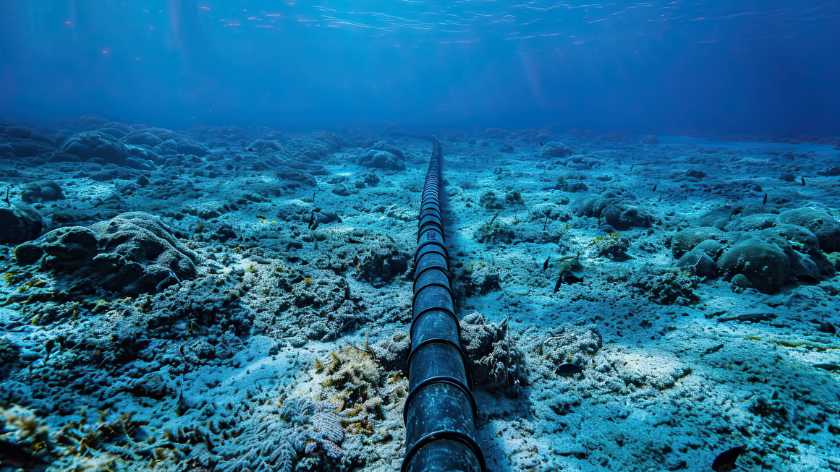
Evans highlights the importance of subsea cables and resilient fibre networks in connecting Australian computing infrastructure with regional markets. Inligo Networks’ proposed role in improving connectivity between Australian cities and international cable systems is part of this broader industry opportunity.
Reliable connectivity can help reduce delays, improve resilience and make Australian facilities more attractive to customers whose AI applications require rapid responses.
There are also significant challenges. Data centres can consume large amounts of electricity and, depending on their design, water. Australia will need to balance new industrial demand with household energy affordability, environmental considerations and the development of renewable generation and storage.
International competition will be intense, particularly from countries with low-cost energy, established technology industries or naturally cooler climates.
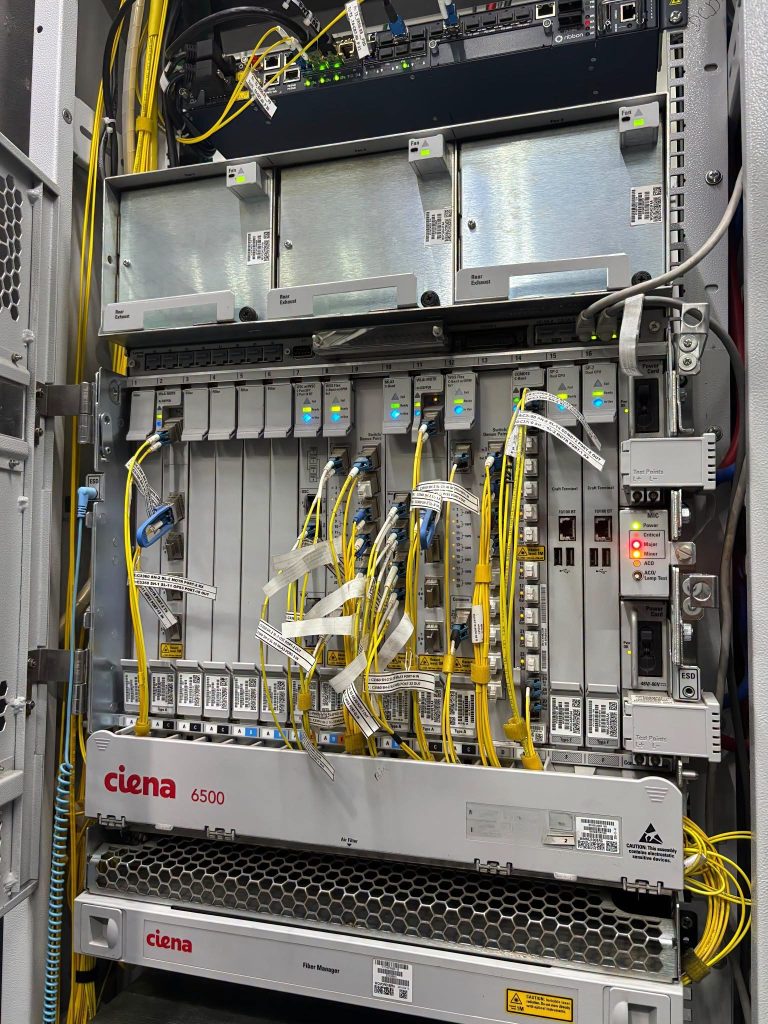
To succeed, Australia will need coordinated investment in energy, infrastructure, skills and technology.
Beyond tokens: building an Australian AI industry
The potential benefits extend beyond the export of computing services.
A growing AI industry could create opportunities for engineers, electricians, network specialists, software developers, cybersecurity professionals and researchers. Although data centres themselves may employ relatively few people once fully operational, the wider supply chain and technology ecosystem could support additional employment and investment.
Domestic AI infrastructure could also give Australian researchers, startups and businesses greater access to computing capacity, reducing some reliance on services hosted entirely overseas.
Over time, Australia could develop its own AI products and specialised models, creating opportunities to export higher-value services rather than simply providing computing capacity.
This would help build a broader technology industry, with potential benefits for productivity, innovation and Australia’s international competitiveness.
From a resource economy to an intelligence economy
Evans concludes his argument with a broader vision for Australia’s future:
“The opportunity now is to turn sunshine, wind and good governance into intelligence.”
The statement captures the central economic proposition: Australia could combine its energy resources, trusted institutions and geographic position to produce AI services for an expanding international market.
Exporting AI tokens is a convenient way to describe this opportunity, although the actual exports are the underlying AI computing and digital services rather than the tokens themselves.
If Australia can build competitive infrastructure, attract investment and develop valuable AI capabilities, it could create a new source of export revenue alongside its established resource industries.
The transition will require careful planning and will not happen automatically. But it presents a significant question for Australia’s economic future.
For two centuries, Australia has turned its natural resources into wealth. The next chapter could involve using its energy and technological expertise to produce and export the intelligence that businesses around the world increasingly need.
The opportunity is not to abandon Australia’s traditional export industries, but to add a new one: exporting the computing power and intelligence that will help shape the global economy.
Sources
- Brian Evans, Inligo Networks: From Iron Ore to AI Intelligence: Why Australia Should Export AI Tokens . The two direct quotations above are attributed to Evans’s article. www.inligonetworks.com
- Australian Bureau of Statistics: Spotlight — Data Centres in Economic Statistics .
- Austrade: Australian Artificial Intelligence Industry Capability Report .