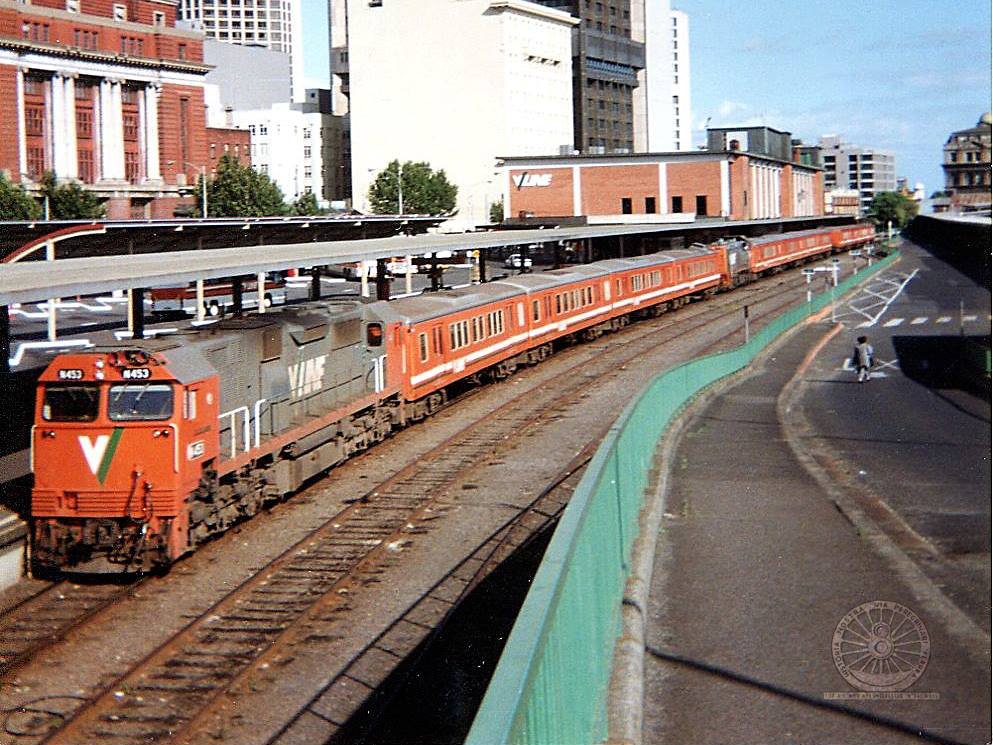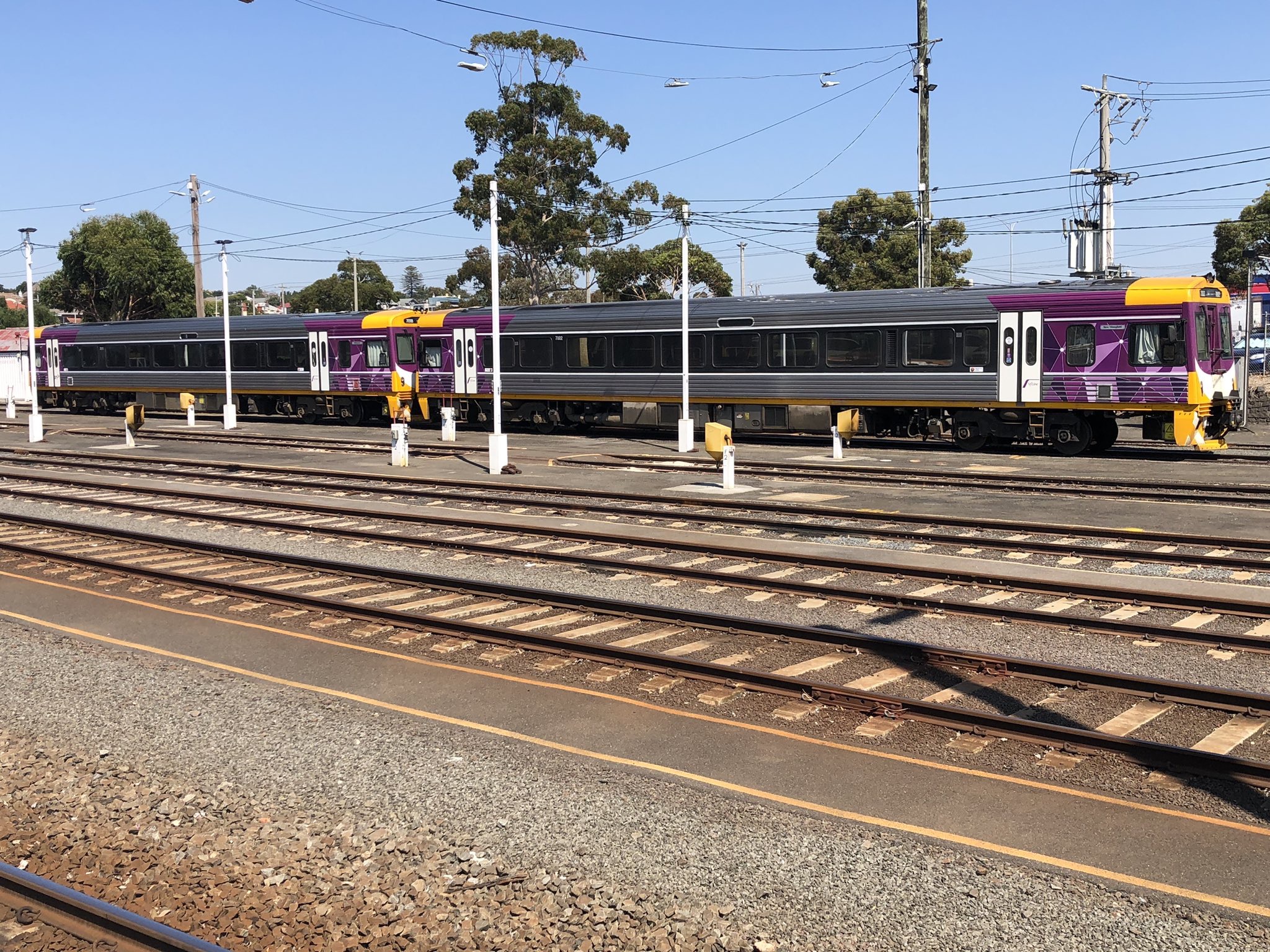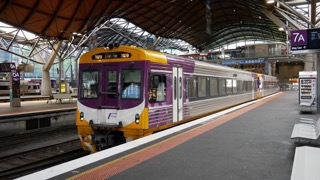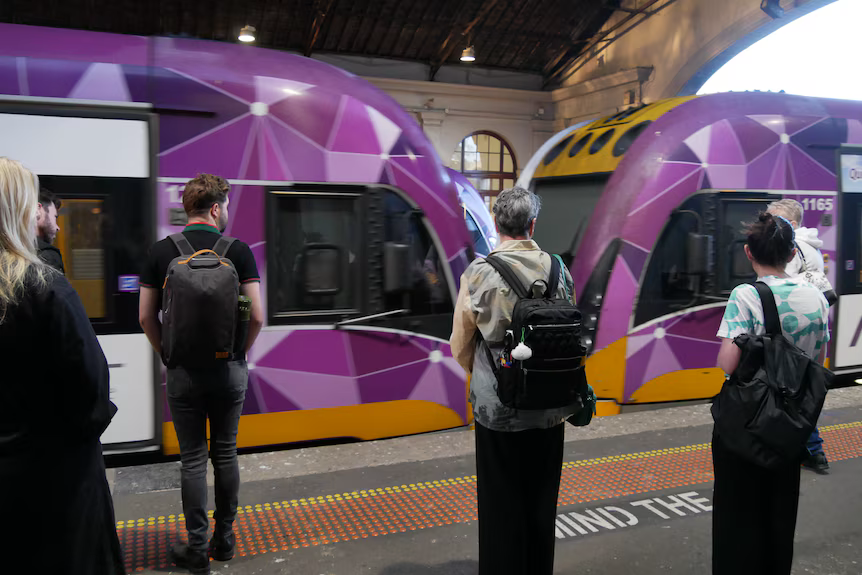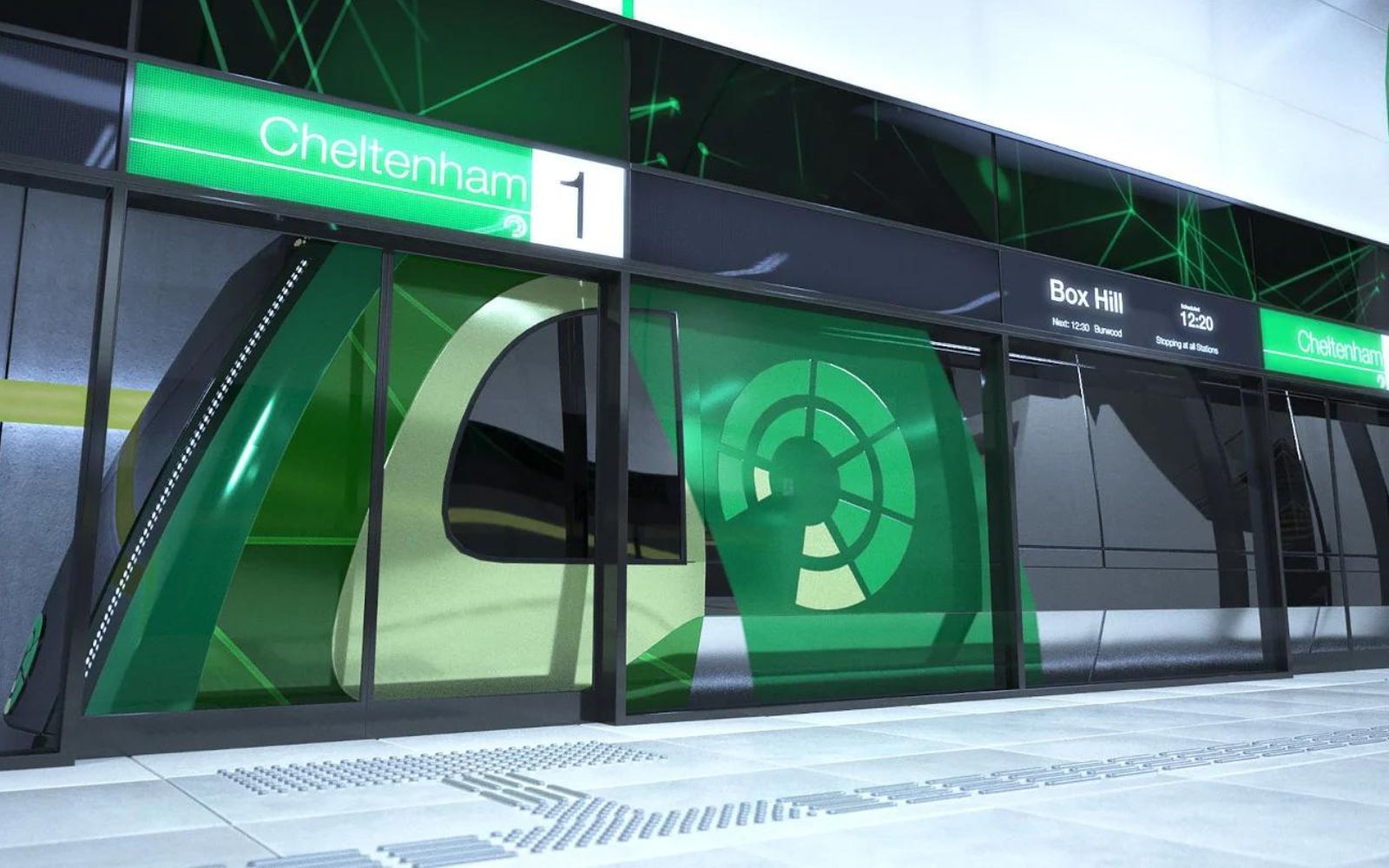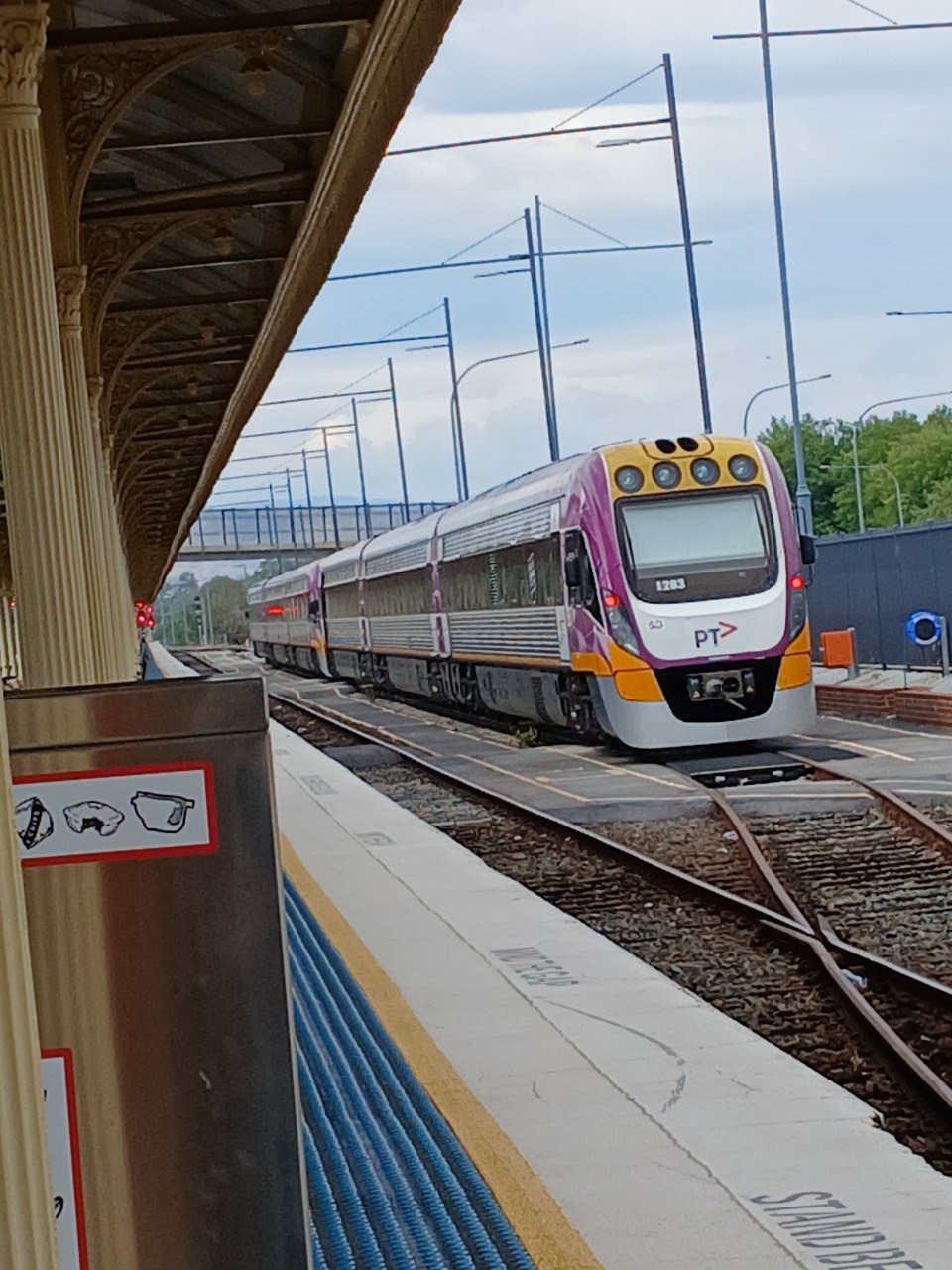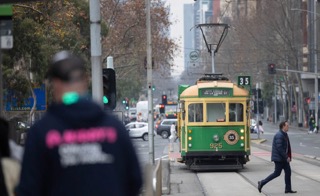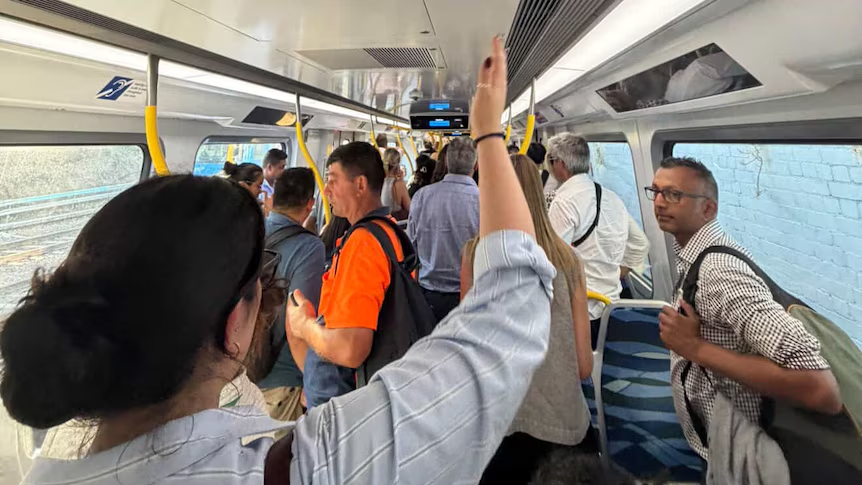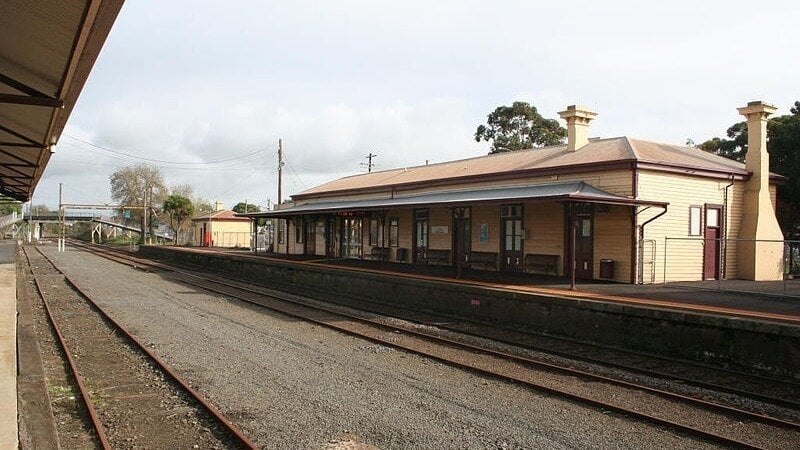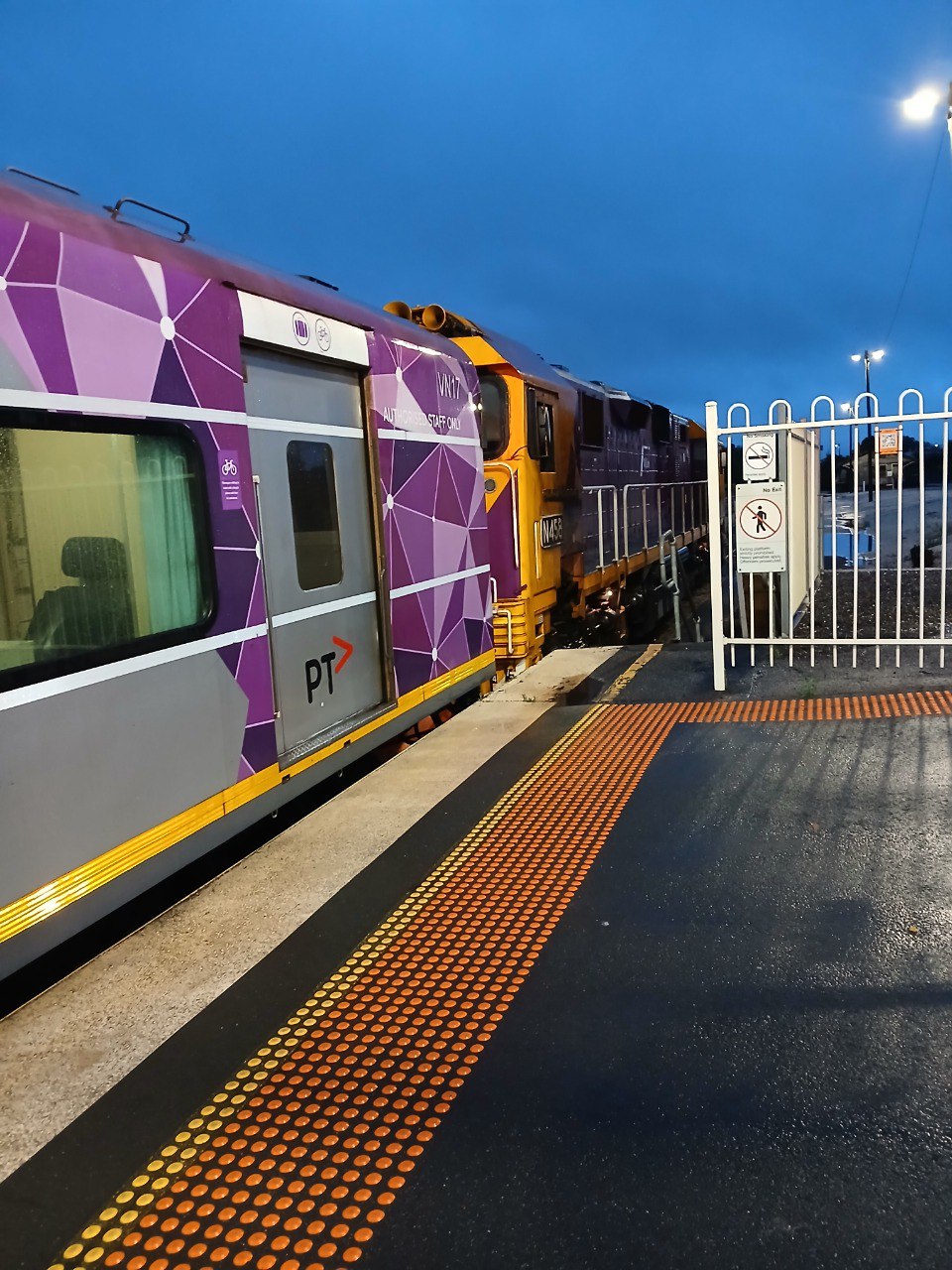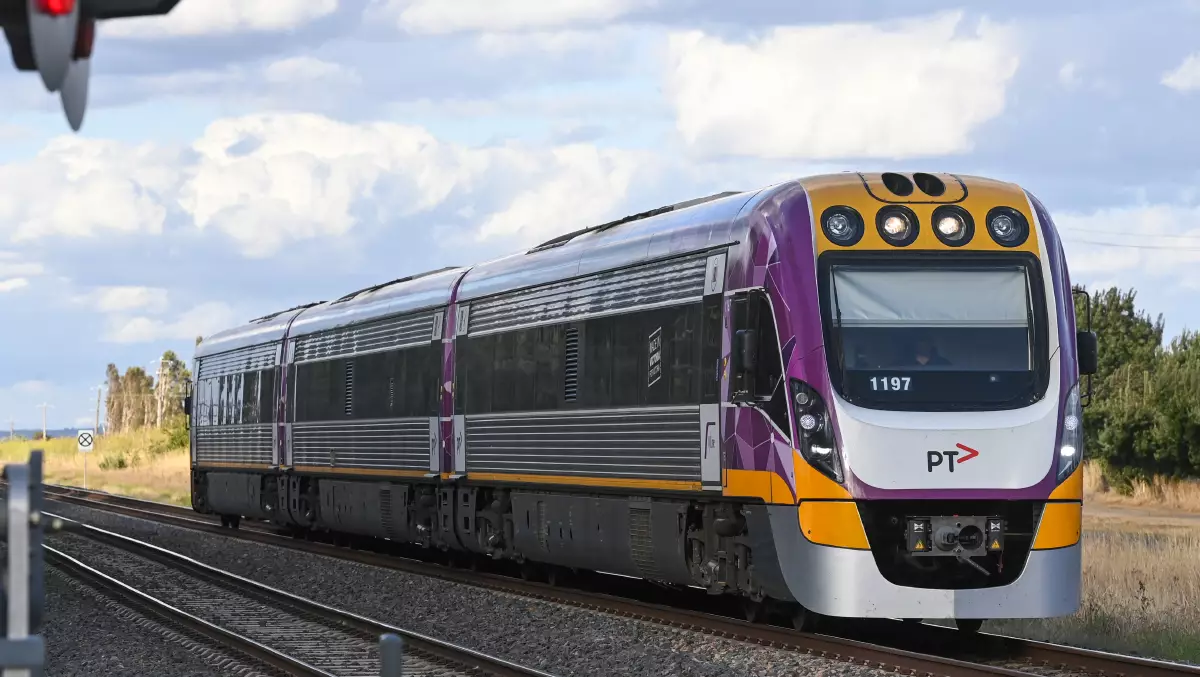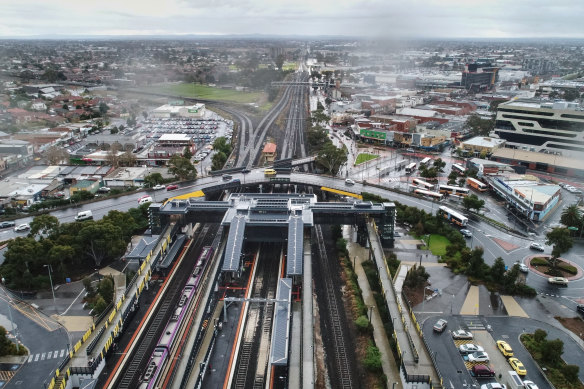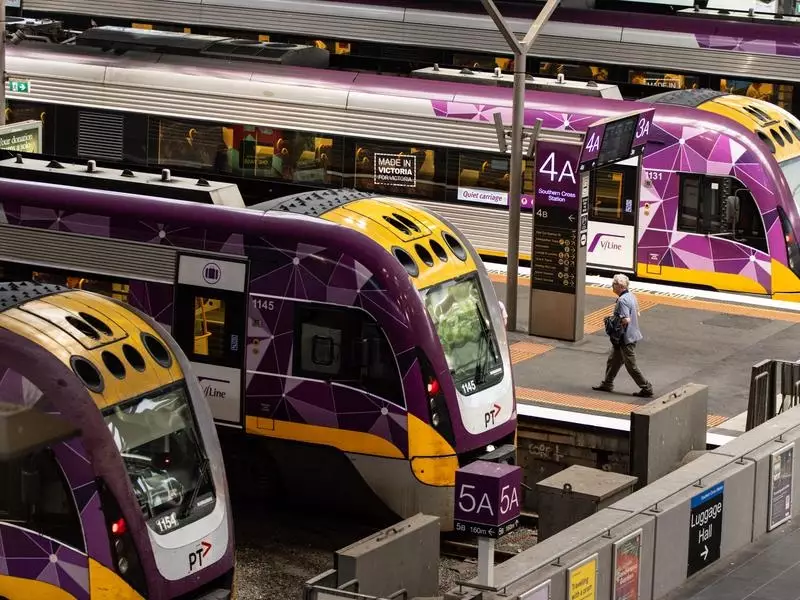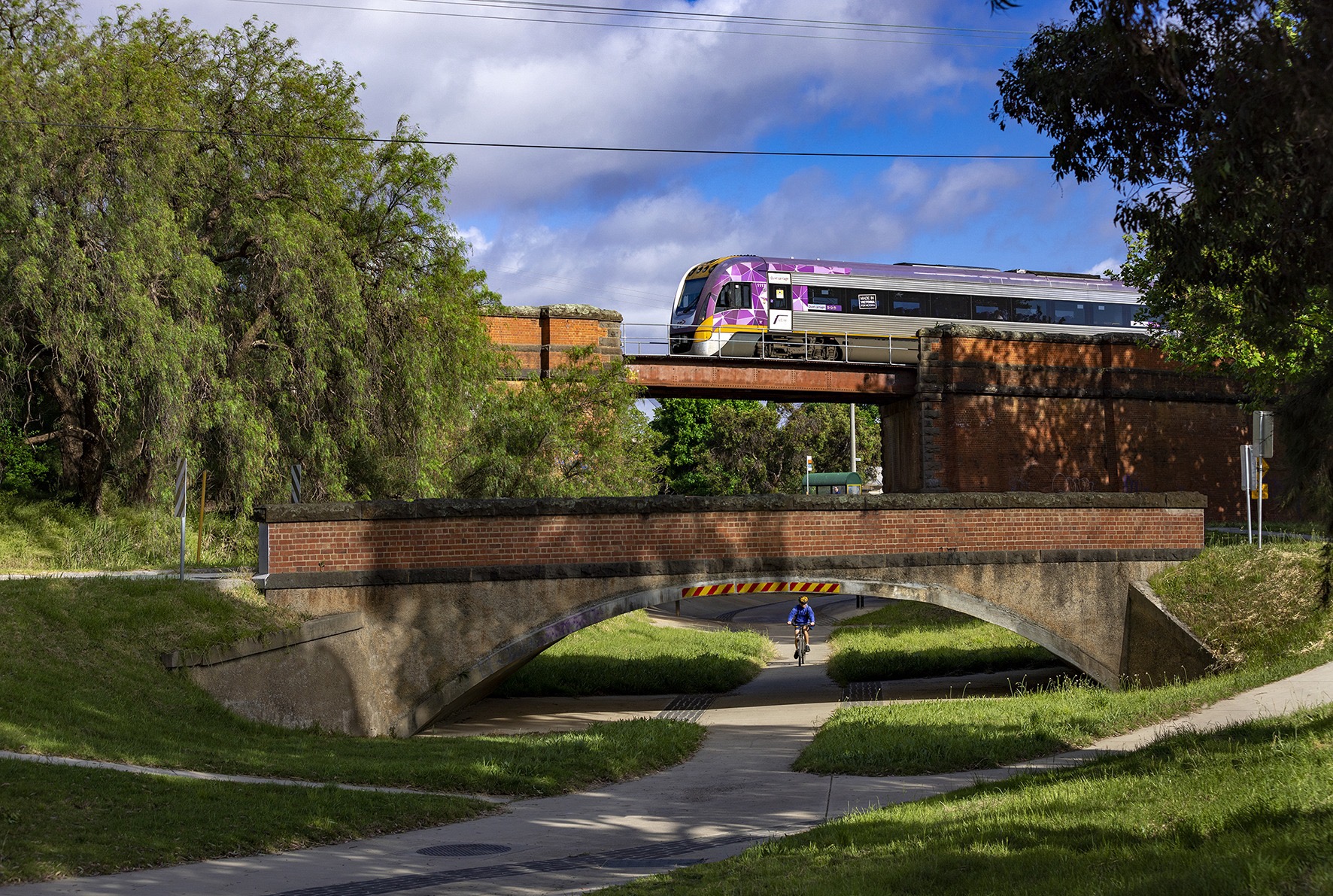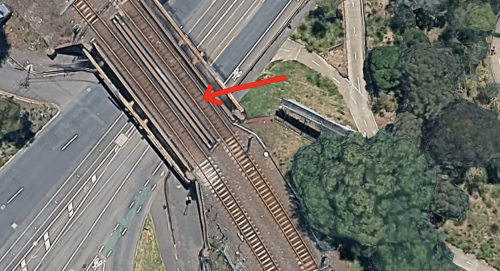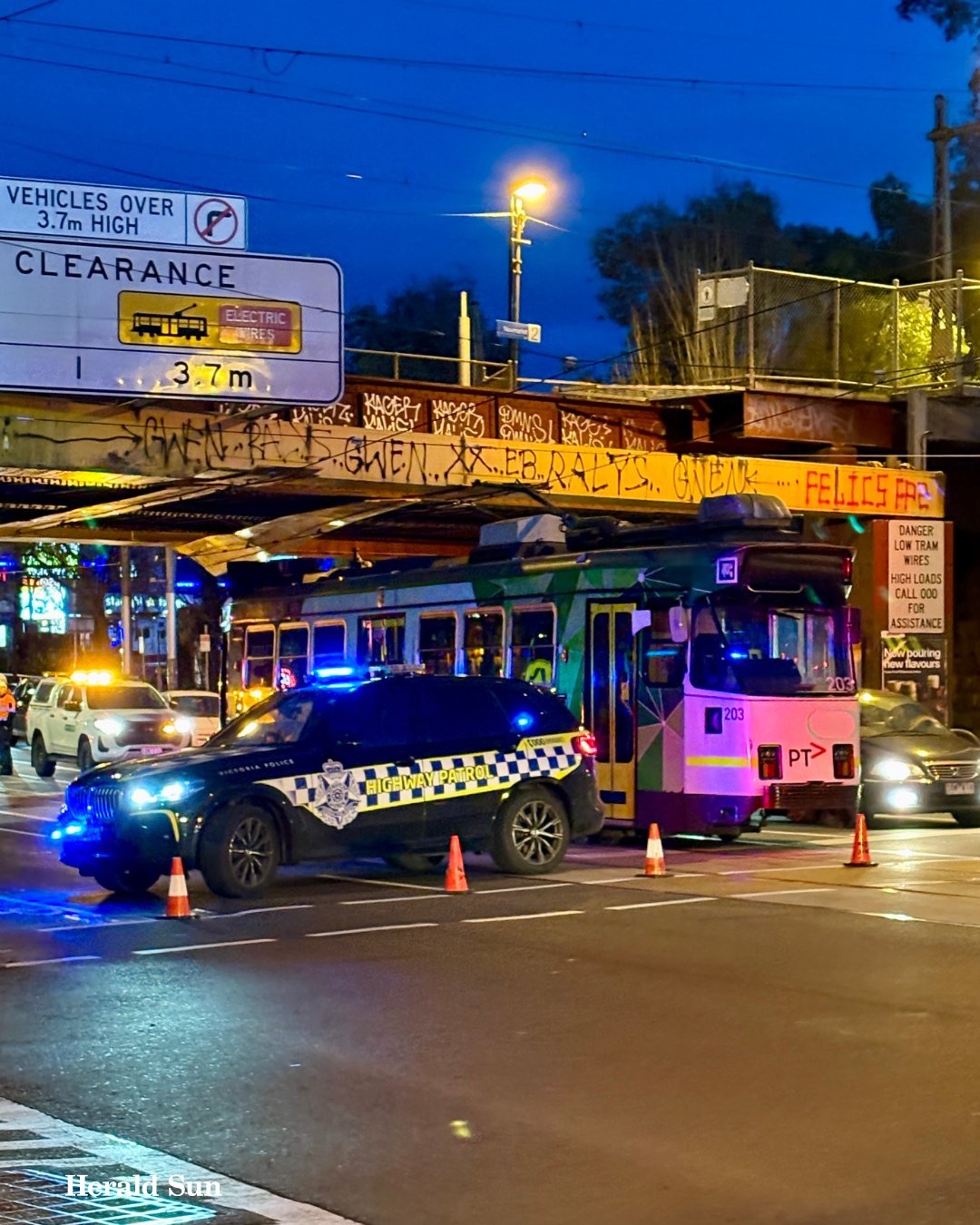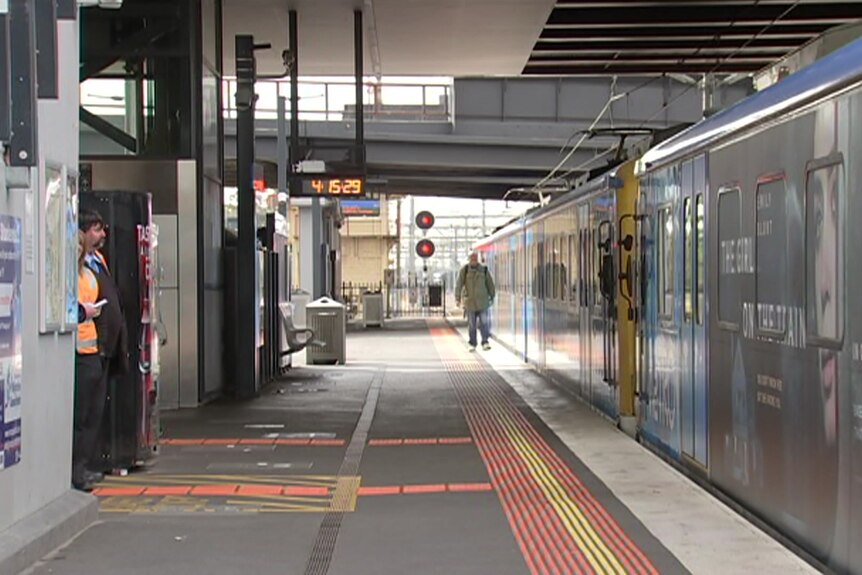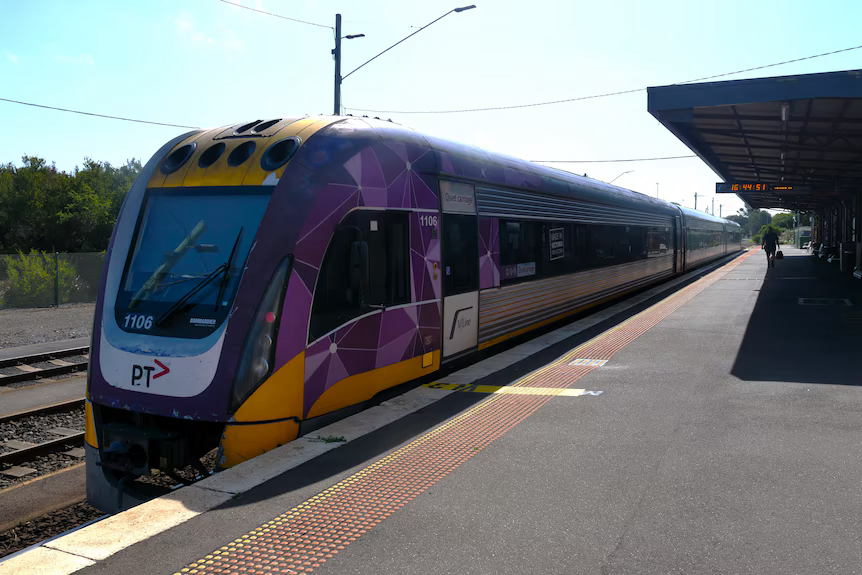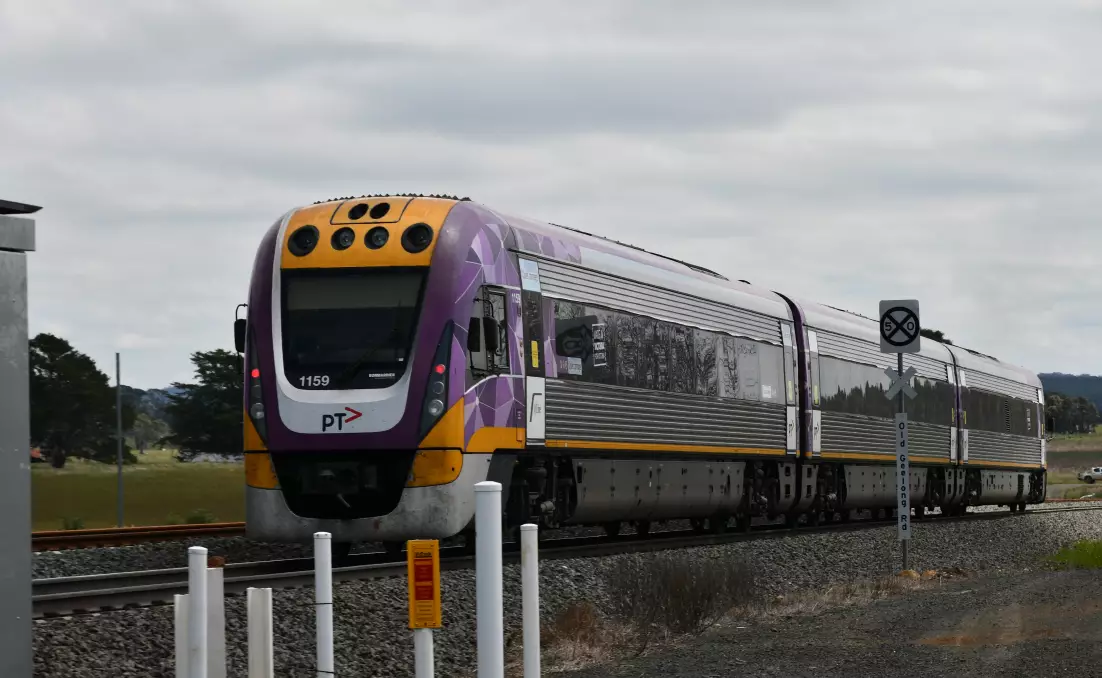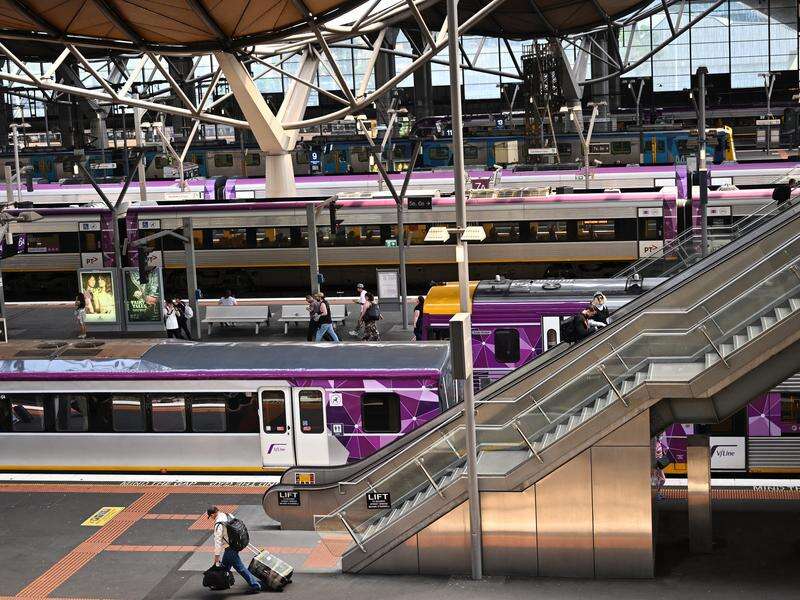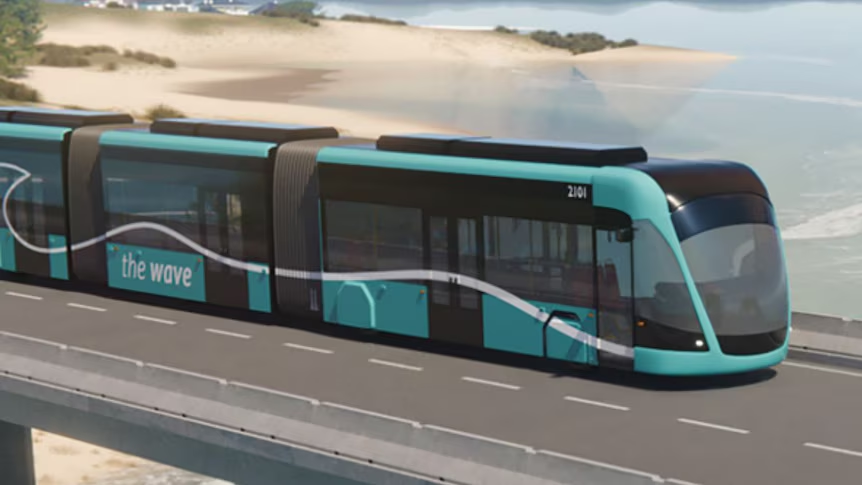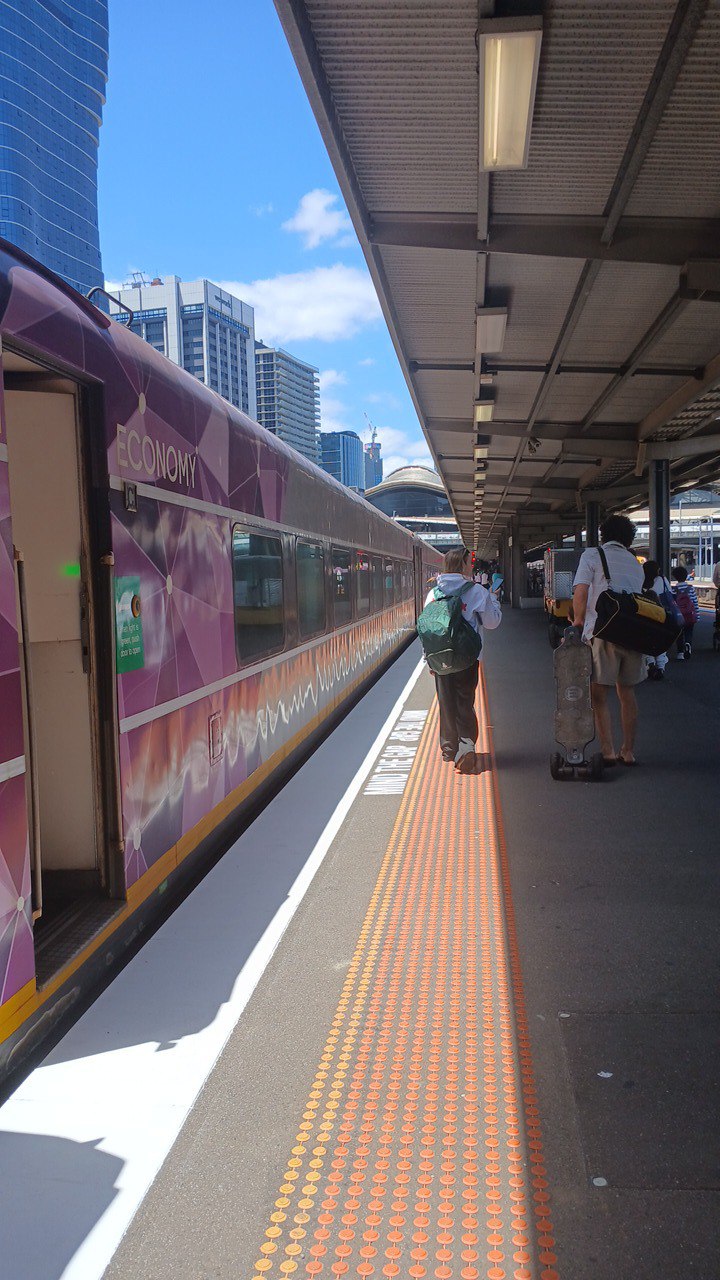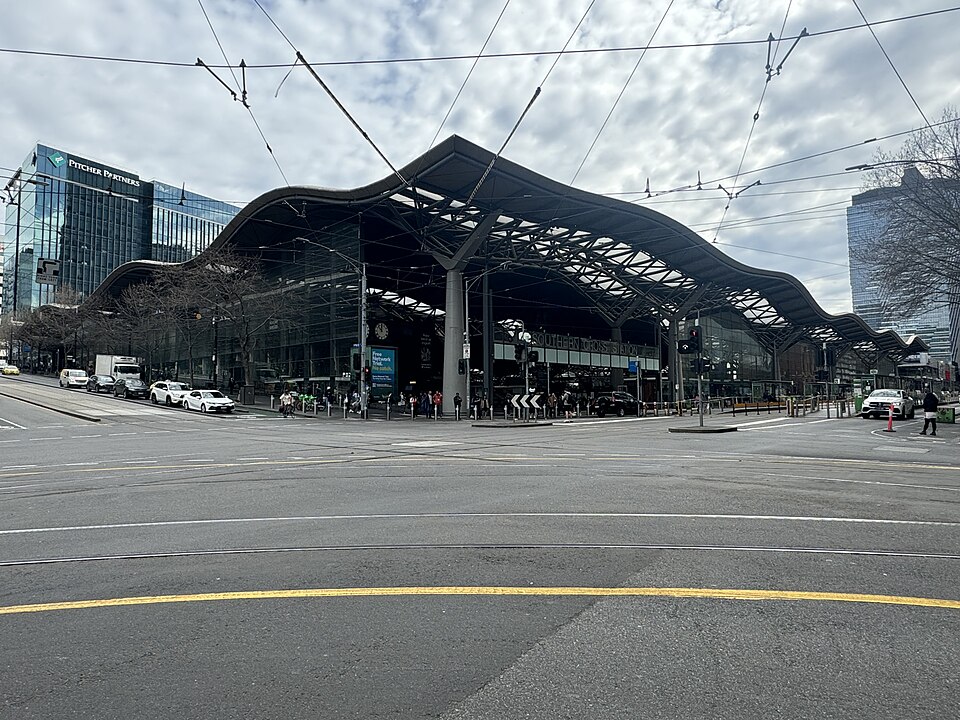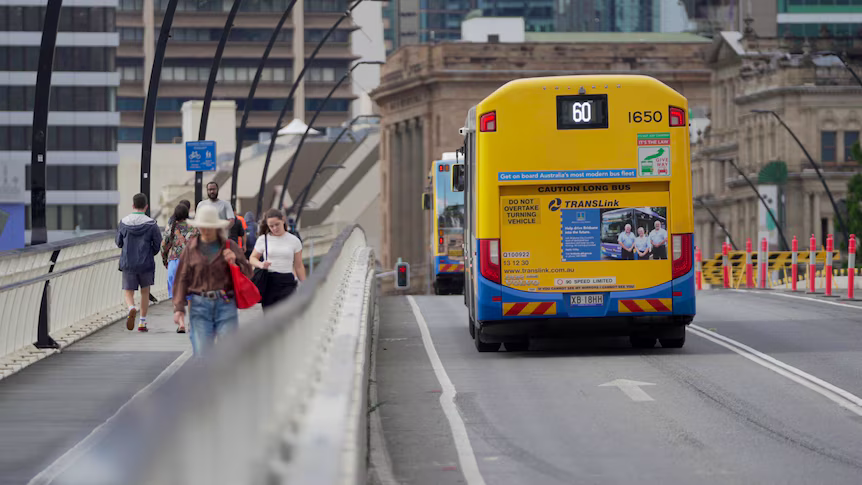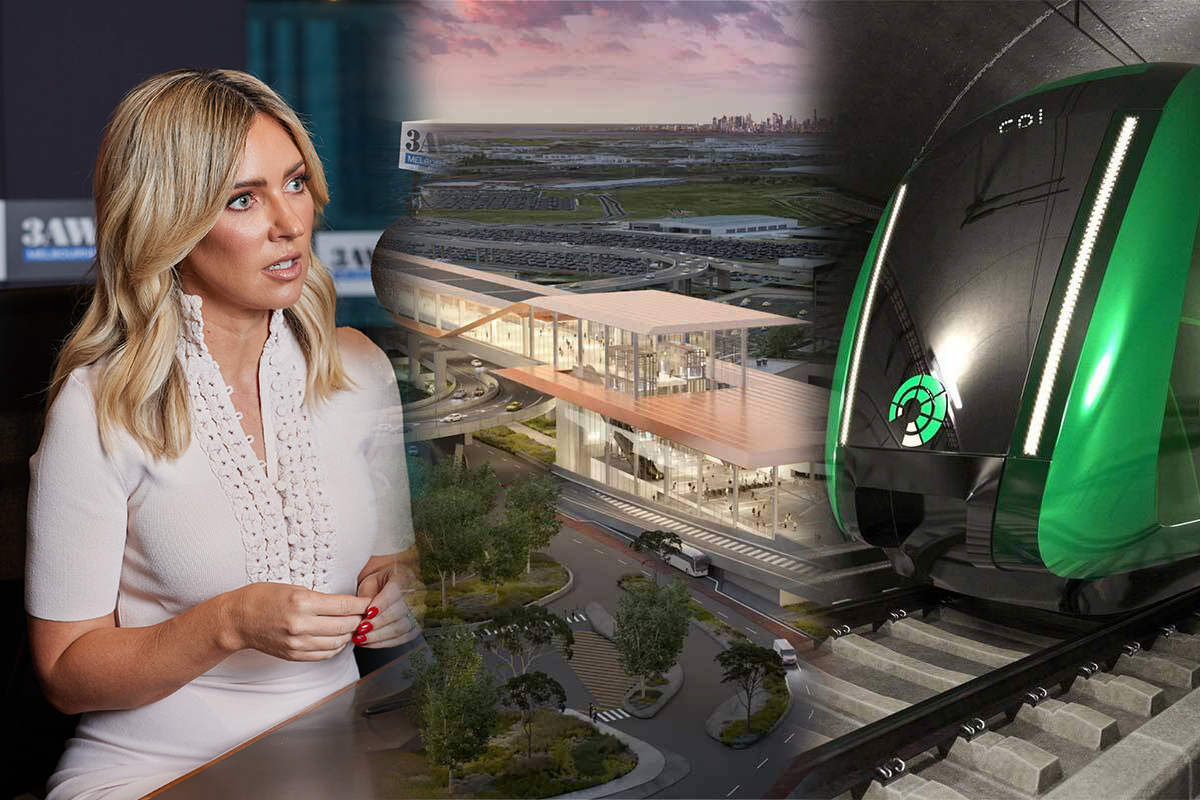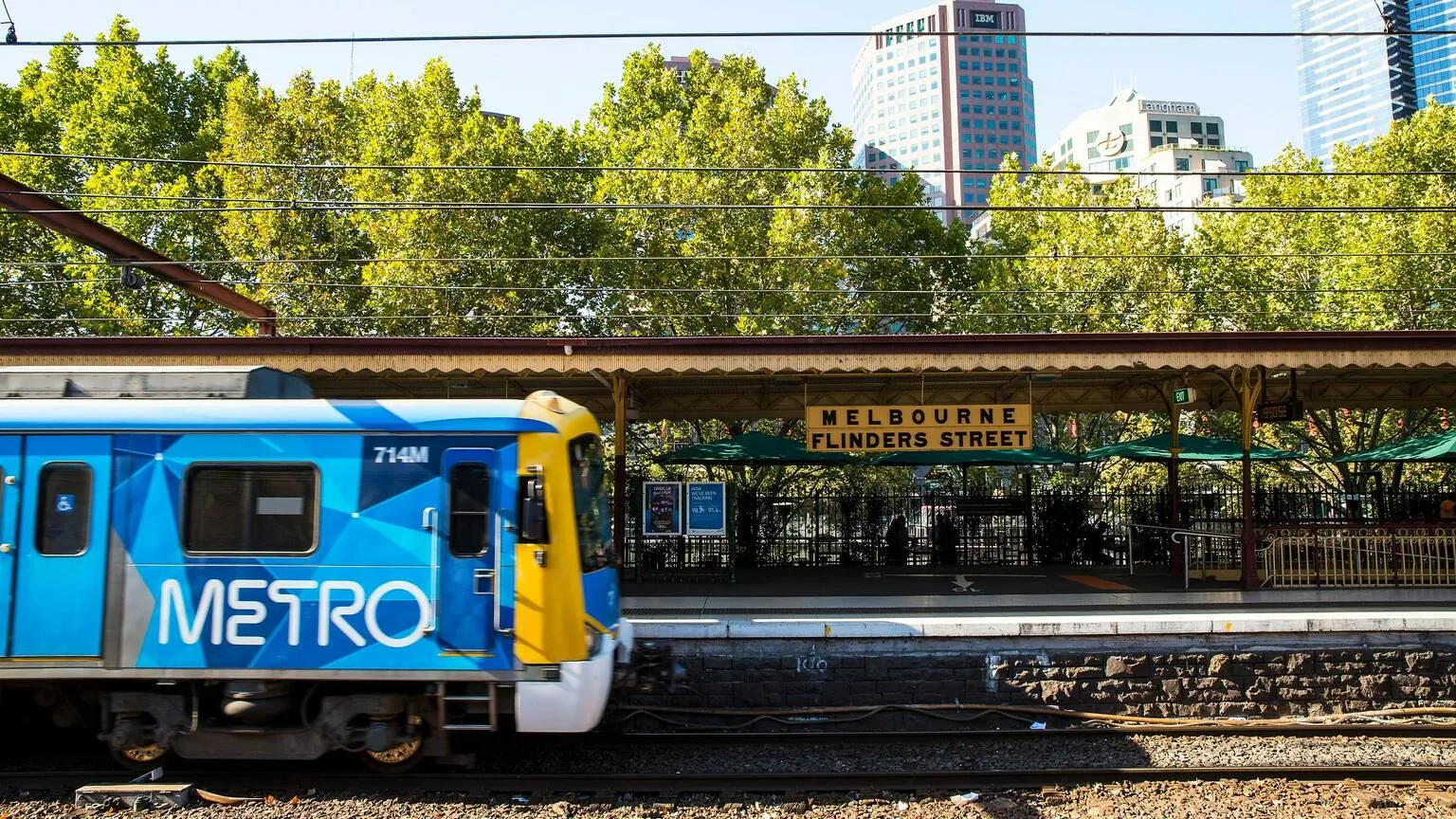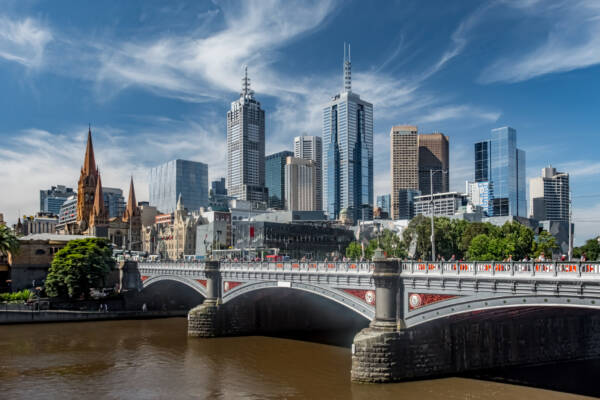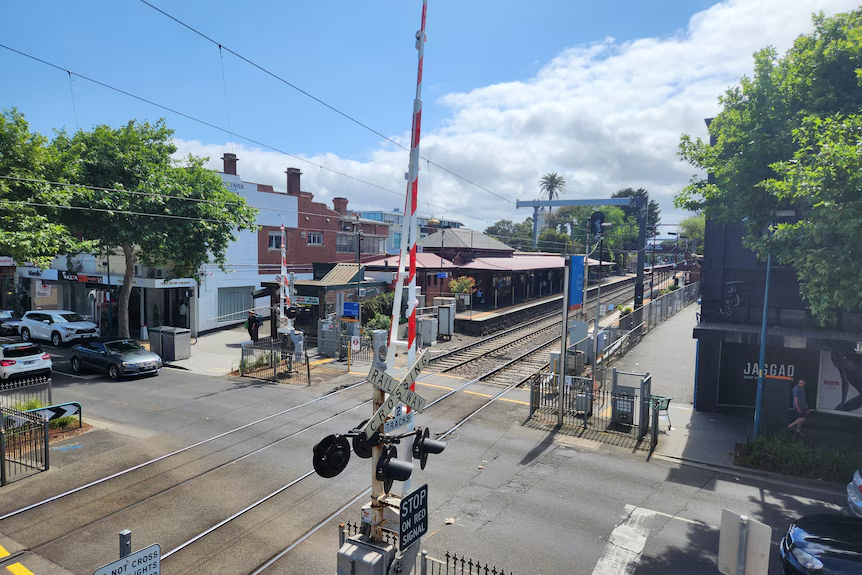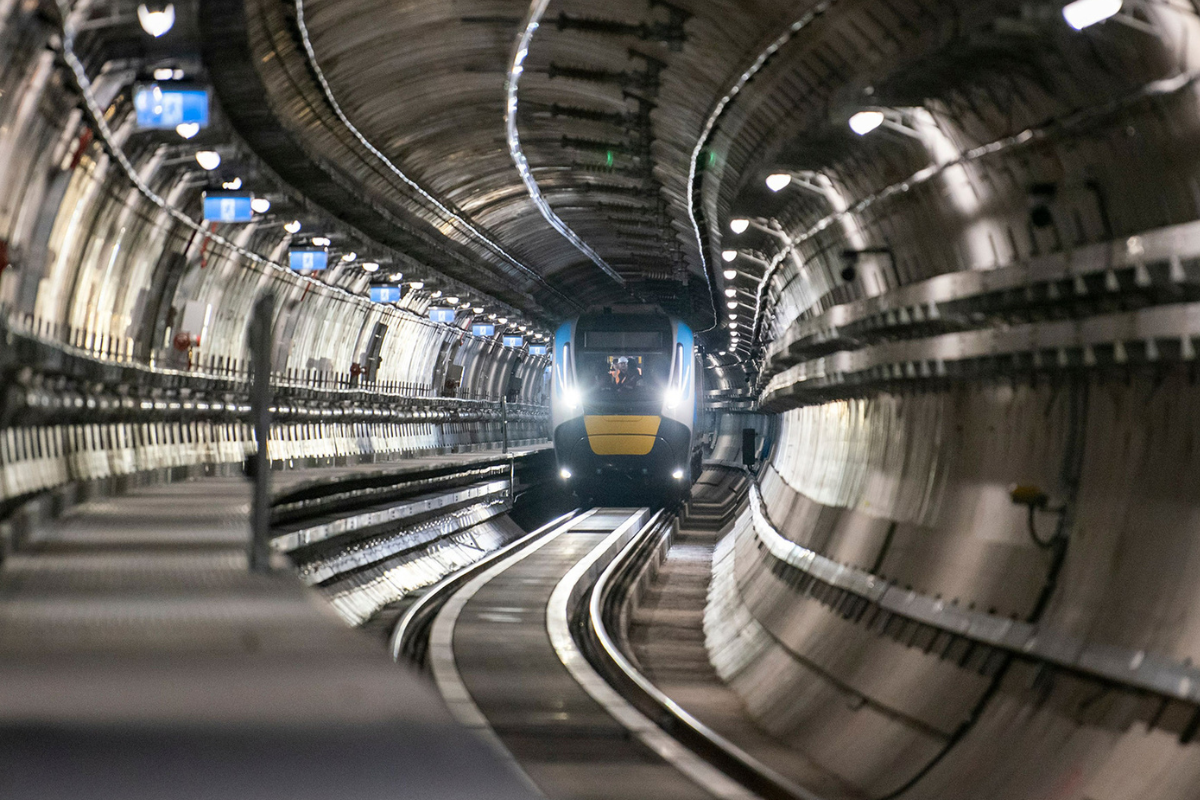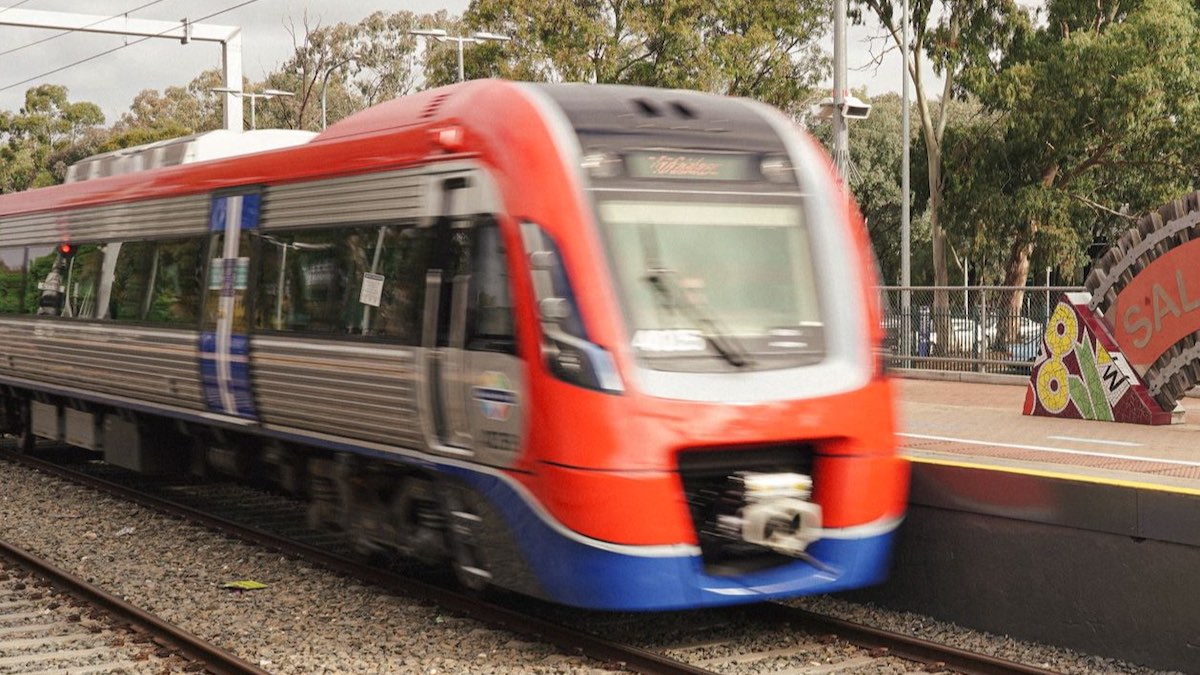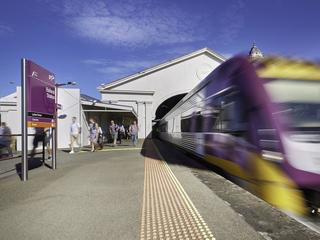
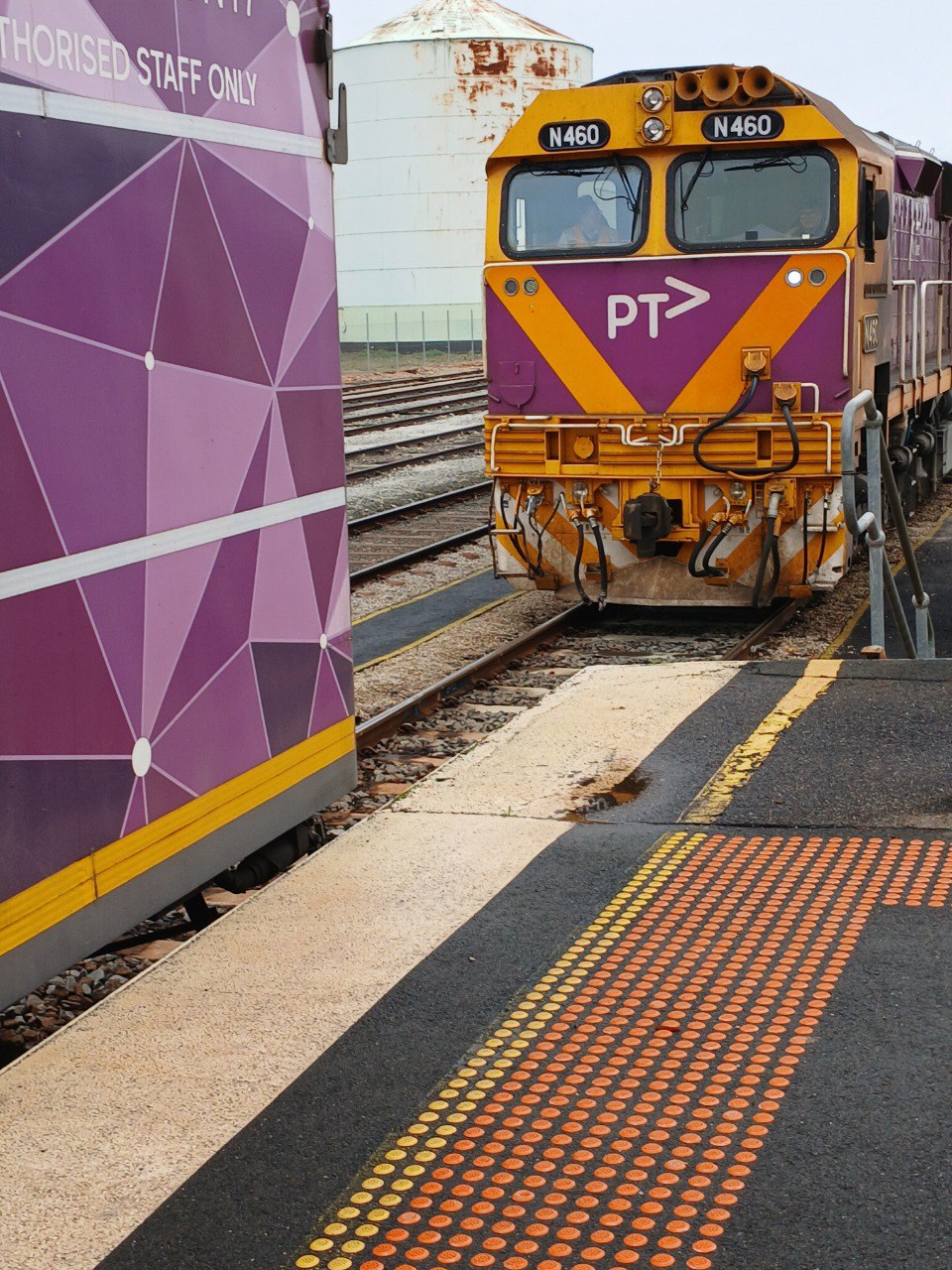
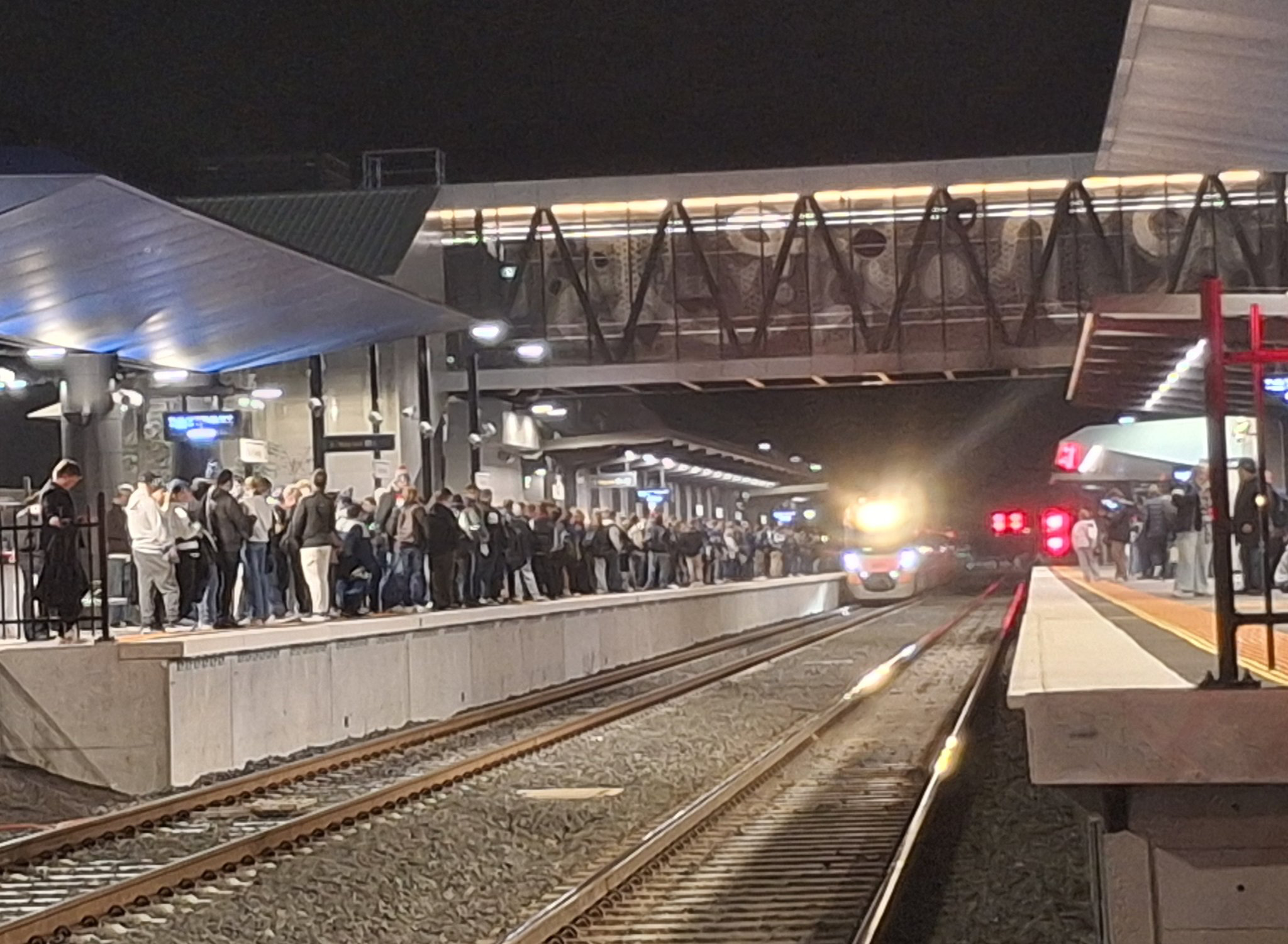
Melbourne is home to the largest operational tram network in the world, carrying more than 200 million passengers each year.
Notes from the Field
Looking at Chlorophyll from Space By Compton “Jim” Tucker NASA scientists are able to study plants from space, but this wasn’t always the case. “I love using satellite data to study the Earth,” says Dr. Compton “Jim” Tucker. When Tucker was a graduate student, he and some friends discovered a new way to study photosynthesis. […]
42 Years of Measuring the Sun, the Earth and the Energy in Between
By Denise Lineberry On Jan. 31, 1958, Explorer 1 became the first satellite launched by the United States. Its primary science instrument, a cosmic ray detector, was designed to measure the radiation environment in Earth orbit. Though its final transmission was in May 1958, it continued to revolve around Earth more than 58,000 times. As […]
The Sky Belongs to All of Us
By Hashima Hasan How did a little girl born in India soon after its independence from the British Empire, become a program scientist for NASA’s Hubble Space Telescope, and the first female program scientist for the James Webb Space Telescope, Stratospheric Observatory for Infrared Astronomy (SOFIA), Gravity Probe B, and other astrophysics flight missions? The […]
Measuring the Big Bang with the COBE satellite
By John Mather The Cosmic Background Explorer satellite (COBE) went up on a Delta rocket on Nov. 18, 1989, into a polar sun-synchronous orbit 900 km up. Our team at NASA Goddard Space Flight Center (GSFC), Ball Aerospace, the Jet Propulsion Laboratory (JPL) and universities built it to look at the cosmic microwave and infrared […]
Peering Homeward, 1972
By Laura Rocchio On July 23, 1972 the first civilian satellite designed to image Earth’s land surfaces was launched from Vandenberg Air Force Base in California. On board the satellite, originally named the Earth Resources Technology Satellite (ERTS), but later known as Landsat 1, were two sensors. The primary sensor, called the Return Beam Vidicon […]
My NASA Experience
By Marcia J. Rieke The development of infrared detector arrays is intertwined with my experiences working on NASA projects. As an astronomer at a university, my interactions with NASA all start with a proposal in response to an opportunity. In 1983, near-infrared detector arrays were beginning to attract the attention of astronomers. At the suggestion […]
The Gestation of the Hubble
By Nancy Grace Roman Looking through the atmosphere is like looking through a piece of old stained glass. The glass has defects that distort the image. The atmosphere also has defects that distort the image, but the defects in the atmosphere move, thus blurring the image as well. The glass is colored, so only some […]