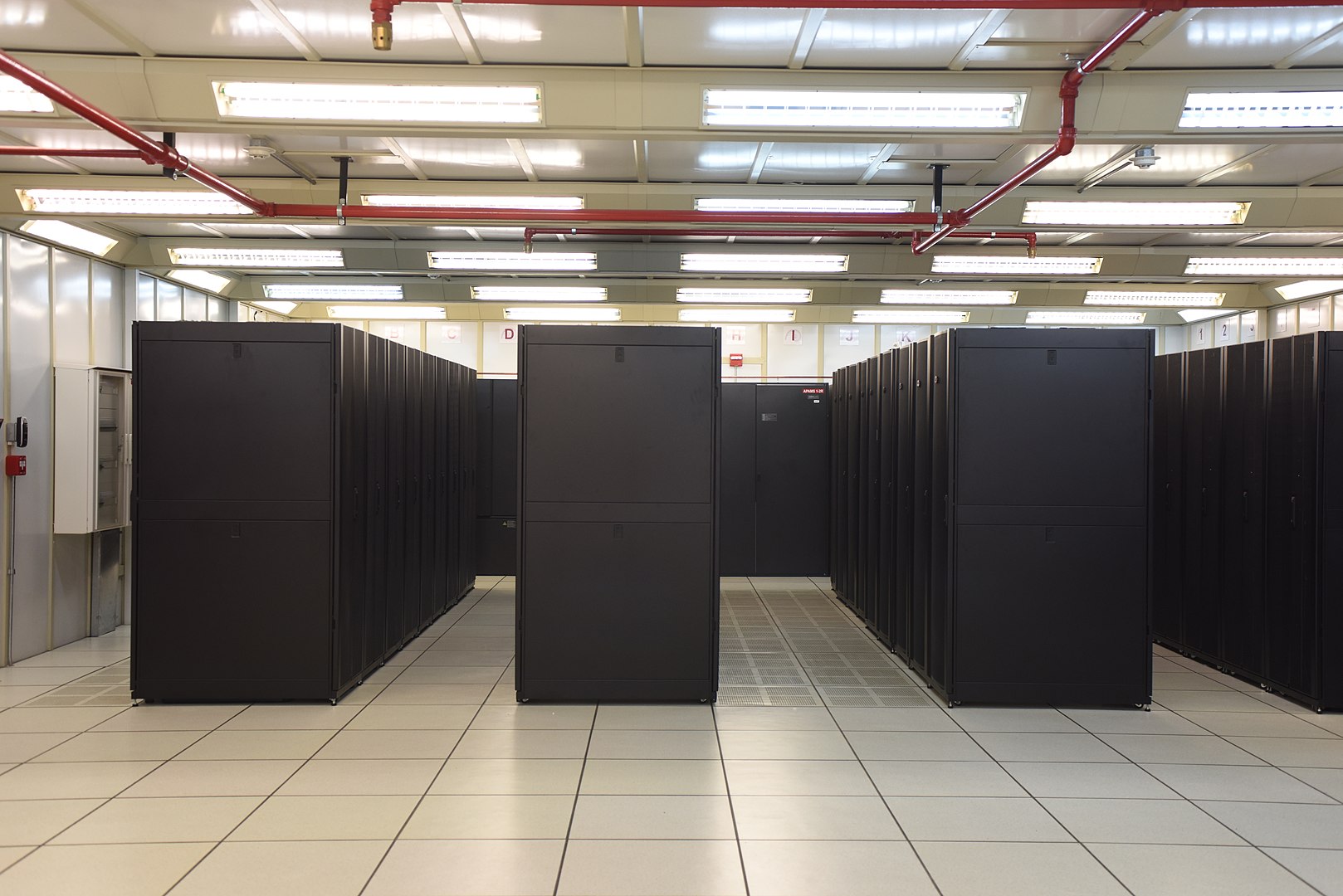
Melbourne and Sydney are in a fierce tussle for data centre primacy as both cities home in on the huge swaths of investment on offer, and the economic benefits that can flow from that.
And Melbourne appears to be gaining on its bigger rival.
But other cities are pitching hard too and the backlash about energy and water consumption is rising.
Melbourne has recently announced over 4.7GW of new data centre capacity being build by AWS, Keppel of Singapore and various other developers. The Melbourne pipeline eclipses Sydney and many other cities in the region including Johor in Malaysia and Singapore.
Melbourne has historically been and still is the technology capital of the country with Telstra, NBN and other carriers calling Melbourne home. Sydney has always had Optus as a head office and Vodafone is located in Brisbane.
In terms of telecommunications startups, Sydney is already a long way behind with new players emerging in Melbourne and Brisbane. Melbourne is also closer to Asia than Sydney, with Adelaide even closer making both Melbourne and Adelaide a natural fit for technology development.
So what is driving the massive Data Centre growth in Melbourne?
Simple economics really, Melbourne land is cheaper, it has a highly skilled building workforce, has the telecommunication networks to support the data centres (well mostly), has some of the cheapest power in the country and skilled workforce to operate the facilities. A major additional benefit to Melbourne is its proximity to other major capitals. Melbourne is able to service Sydney and Adelaide and Hobart and its own population (Melbourne is now the largest city in Australia by area and also population) on low latency telecommunication links making it an ideal location to hold data. It is also closer to Perth than Sydney.
Additionally Melbourne has much more accessible renewable energy located closer to major centres than NSW will ever have. Melbourne’s cooler ambient temperatures naturally reduce the massive energy loads required to cool server racks, instantly lowering operational costs. Melbourne now commands nearly 75% of all data centre space under construction nationwide.
Melbourne is now the clear choice for Data Centre development and Operation.
Why not Sydney?
Sydney faces severe challenges for data centre development due to extreme strain on local infrastructure, including potable water consumption projected to hit 25% of Sydney’s supply by 2035 and grid capacity shortages delaying energisation dates to 2028–2029.
Sydney is an expensive city in which to live creating issues for staff relocation, is running out of land, has some of the highest power pricing in the country and is generally more difficult to build in. Many proposed new data centre sites not not even in Sydney and this is not something the developers want to entertain. Renewable energy developments are years behind Victoria and South Australia.
While Sydney historically held a dominant 60% share of Australia’s built-out capacity, Melbourne has nearly tripled its planned development capacity to 4.7 gigawatts (GW). It is also recognised globally by operators like Equinix as the fastest-growing edge metro in the world with a 45% compound annual growth rate (CAGR)
What about Adelaide?
Adelaide recently announced a new 800MW data centre in the mid north and there are other like facilities in the planning stage. This announcement by two former Macquarie Bank executives under the brand IREN represents a massive shift west from the markets of NSW and Victoria and major confidence in the South Australian Government and Market.
Like Melbourne and Victoria, renewable energy is plentiful and accessible to data centre developments in Adelaide and South Australia. This will lead to further developments of data centres in the state but not at the same pace as Victoria. Data Centres are planned and underway in the Mid North, Barossa Valley and Adelaide.
The question left to answer is now many new developments will chose Regional Victoria and South Australia ahead of Melbourne and Adelaide? Could locations such as Ballarat and Geelong and Gippsland be the next data centre hubs?
In terms of telecommunications capacity Australia will need far more capacity on optical fibre than is currently available. projects like Telstra’s AURA and Inligo’s UNITE Cable System is extremely important is Australia is to ensure an advantage over other jurisdictions in the region.
JLL forecasts that APAC data centre capacity will rise from 32 GW to 57 GW by 2030, delivering a 12% CAGR, with colocation expanding at 19% as on-prem capacity contracts.
The direction is clear. Enterprises are shifting toward platforms built to deploy faster and expand without friction as demand accelerates.
Growth at this scale reflects confidence in APAC’s digital trajectory and reinforces a simple reality. Infrastructure that can keep pace with AI, cloud and high-density workloads will define the region’s next phase of competitive advantage.
Well done Melbourne you have the technology jobs and skills and infrastructure to make this happen. I also hope to see south Australia benefit.