The winding up of InterLinkSQ has become one of the clearest examples of how uncertainty around Inland Rail is flowing through to regional infrastructure investment in Queensland.
The long-planned Toowoomba freight terminal project at Charlton was designed to become a major intermodal logistics hub connecting regional freight to Inland Rail, the Toowoomba Bypass and broader national supply chains.
Recent reporting says the companies behind the project are being wound up after the Federal Government cut Queensland sections of Inland Rail.
For regional Queensland, this is more than the collapse of one freight terminal project.
It is a warning about what happens when major infrastructure plans change after private investors, councils, contractors and local businesses have already spent years preparing for delivery.
WHAT WAS INTERLINKSQ?
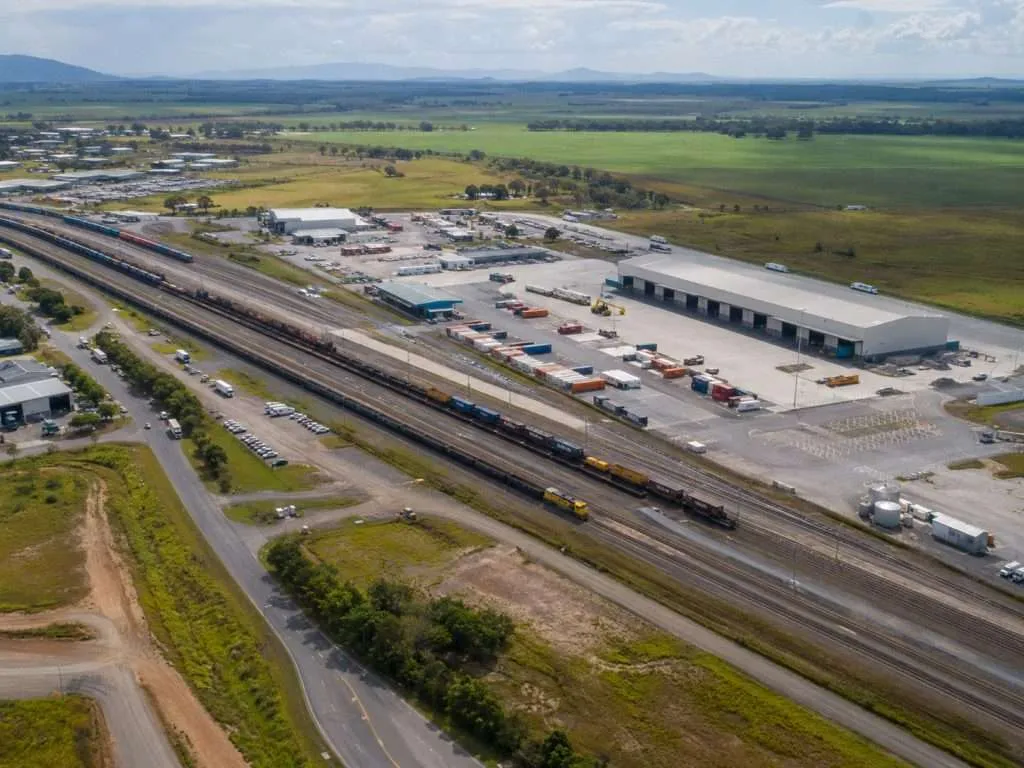
InterLinkSQ was planned as a major freight and logistics hub at Charlton, west of Toowoomba.
The project was promoted as an intermodal terminal linking rail, road, air and sea freight networks.
Its strategic location near Toowoomba placed it close to:
- the Toowoomba Bypass
- the Warrego Highway
- the Gore Highway
- Wellcamp Airport
- Darling Downs agricultural production
- South East Queensland freight networks
- proposed Inland Rail connections
- industrial land and logistics corridors
InterLinkSQ’s project information describes the site as covering about 200 hectares, with a 24-hectare intermodal facility including rail, hardstand and industrial land.
The project was intended to help shift freight between road and rail, improve regional logistics efficiency and support future growth in agricultural, industrial and commercial freight.
WHY THE COLLAPSE MATTERS
The InterLinkSQ collapse matters because it highlights the private-sector consequences of public infrastructure uncertainty.
Projects like InterLinkSQ are not developed overnight.
They rely on long-term assumptions around government infrastructure, freight routes, rail alignments, terminal demand and regional economic growth.
When the public Inland Rail project changed direction, the business case for related private freight terminals also changed.
That is why this story is important for contractors, investors and regional communities.
It shows how one infrastructure decision can affect:
- private investment
- land development
- civil works
- freight terminal planning
- industrial land values
- contractor pipelines
- local jobs
- regional economic confidence
- supply chain planning
- future project finance
For businesses watching major project opportunities, InterLinkSQ is a reminder that project risk is not only technical.
It is also political, financial and strategic.
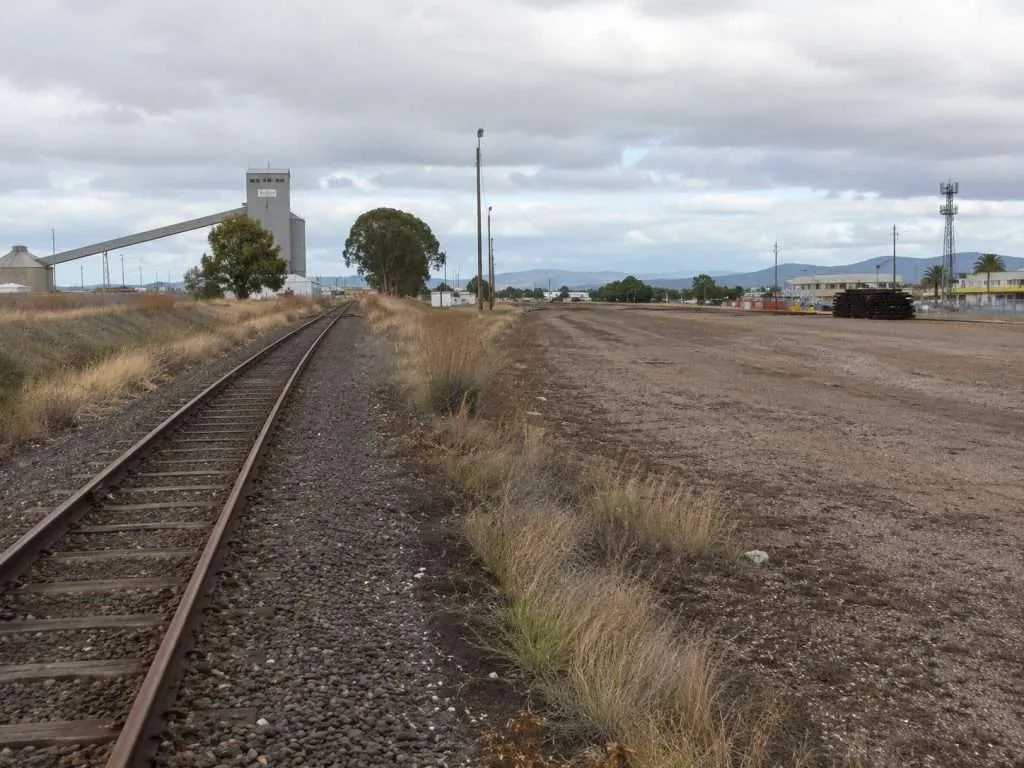
THE INLAND RAIL CONNECTION
InterLinkSQ was closely linked to the long-term Inland Rail vision.
Inland Rail was designed to improve freight connectivity between Melbourne and Brisbane through regional Victoria, New South Wales and Queensland.
For Toowoomba and the Darling Downs, Inland Rail was seen as a major opportunity to strengthen the region’s freight role and reduce pressure on road transport.
InterLinkSQ was intended to help capture that opportunity by providing terminal infrastructure for freight transfer, warehousing, hardstand and industrial activity.
However, the Federal Government’s decision to scale back the Queensland section of Inland Rail has created major uncertainty for projects that depended on the original alignment.
InterLinkSQ now appears to be one of the first major private-sector casualties of that shift.
INVESTOR AND REGIONAL CONFIDENCE IMPACT
Recent reporting says InterLinkSQ had attracted up to $50 million from investors over its long development period.
That matters because regional infrastructure projects often rely on patient capital.
Investors back land acquisition, planning, approvals, studies, design, engagement and early works long before revenue begins.
If major enabling infrastructure is delayed, cancelled or changed, those investments can be placed under significant pressure.
The InterLinkSQ collapse may therefore raise broader questions about investor confidence in regional freight and logistics projects.
For future projects, investors may ask:
- Will the enabling infrastructure actually be delivered?
- Is the freight corridor secure?
- Is government policy stable?
- Are approvals and alignments locked in?
- Is there enough customer commitment?
- Is the project exposed to political change?
- What happens if public infrastructure is delayed or scaled back?
These questions matter across rail, ports, mining, energy and industrial infrastructure.
CONTRACTOR PIPELINE IMPLICATIONS
The winding up of InterLinkSQ is also relevant to contractors because projects like this create multi-stage work opportunities.
A freight terminal project of this type could have created demand for:
- civil earthworks
- road connections
- rail sidings
- hardstand construction
- drainage works
- utilities
- electrical infrastructure
- communications
- warehousing
- industrial buildings
- office facilities
- fencing and security
- lighting
- pavement construction
- landscaping
- traffic management
- project management
- surveying
- geotechnical services
- environmental works
For contractors in Toowoomba, Darling Downs, Western Downs and South East Queensland, the loss of a major logistics project means the loss of a potential long-term work pipeline.
The broader issue is that if Inland Rail-linked projects fall away, related contractor opportunities may also disappear.
WHY THIS IS A DEBATE POST
This is a strong follow-up to the Inland Rail-to-Gladstone proposal because it shows the other side of the story.
The Greenlink proposal creates a new private-sector pathway and a potential future opportunity.
The InterLinkSQ collapse shows what can happen when an expected freight infrastructure pathway is cut or delayed.
Together, the two stories create a powerful debate:
Should Queensland accept the loss of the original Inland Rail route?
Should private proposals like Greenlink be accelerated?
Should regional freight hubs receive stronger government protection?
Should the Inland Rail corridor be preserved for future development?
What happens to investors when public infrastructure commitments change?
These are the questions that make InterLinkSQ an important Project Watch story.
WHY TOOWOOMBA AND CHARLTON MATTER
Toowoomba has spent years positioning itself as a major inland logistics and industrial centre.
The region already benefits from:
- the Toowoomba Bypass
- Wellcamp Airport
- agricultural production
- transport corridors
- warehousing potential
- manufacturing activity
- access to the Darling Downs and Surat Basin
- proximity to South East Queensland markets
Charlton has been viewed as a strategic freight and industrial location because of its access to road and rail networks.
InterLinkSQ was intended to build on that position.
Its collapse raises questions about whether Toowoomba’s freight role can still grow without the original Inland Rail connection.
It also strengthens the argument for alternative freight infrastructure pathways, including private proposals and revised rail-to-port strategies.
WHAT IT MEANS FOR MINING AND INDUSTRIAL SUPPLY CHAINS
Although InterLinkSQ is not a mining project, it has relevance to the mining and industrial sectors.
Freight hubs support the movement of:
- machinery
- steel
- fuel
- chemicals
- construction materials
- agricultural products
- mining consumables
- equipment parts
- project cargo
- containers
- industrial inputs
Mining and industrial regions depend on efficient logistics networks.
If freight terminal projects fail, supply chains may remain more dependent on road transport, longer routes and congested corridors.
That can affect cost, reliability and project delivery.
For BBI readers, the InterLinkSQ story is relevant because the same freight system that supports agriculture and regional manufacturing also supports mining, energy and industrial projects across Queensland.
THE GLADSTONE CONNECTION
The InterLinkSQ collapse also makes the Inland Rail-to-Gladstone debate more important.
If the original Queensland Inland Rail pathway is no longer progressing as expected, attention may shift toward alternative rail strategies that connect inland freight to major ports.
Gladstone is one of Queensland’s most important industrial and export ports.
A future rail connection to Gladstone could offer a different freight pathway for regional Queensland.
That is why the Greenlink proposal and InterLinkSQ collapse should be viewed together.
One shows a private-sector alternative.
The other shows the cost of uncertainty.
WHAT INDUSTRY SHOULD WATCH NEXT
The key question now is what happens to the land, infrastructure planning and regional freight strategy around Charlton and Toowoomba.
Industry participants should watch for:
- liquidation outcomes
- land sale processes
- future ownership of InterLinkSQ land
- government response
- corridor preservation decisions
- alternative freight hub proposals
- Greenlink Australia progress
- Toowoomba-to-Gladstone freight planning
- state and federal transport policy updates
- private investor appetite for freight terminals
- regional logistics demand
- future intermodal terminal proposals
The collapse of one project does not mean the freight need has disappeared.
It means the market will look for a new pathway.
WHY THIS MATTERS FOR BOWEN BASIN INDEX READERS
InterLinkSQ is outside the Bowen Basin, but it is relevant to BBI because freight infrastructure affects every major industrial region in Queensland.
Mining, manufacturing, agriculture, energy and construction all rely on transport systems that can move heavy goods efficiently.
When freight infrastructure projects collapse, the effects can flow across:
- contractor demand
- supply chain costs
- regional investment
- industrial land development
- port access
- export competitiveness
- heavy haulage markets
- logistics planning
For contractors and suppliers, the lesson is clear.
Major projects do not only depend on approvals and funding.
They also depend on stable infrastructure strategy.
FINAL VIEW
The collapse of InterLinkSQ is a strong Project Watch follow-up story because it shows the real-world fallout from Inland Rail uncertainty.
It is not as exciting as a new $15 billion rail proposal, but it is arguably just as important.
It shows what can happen when regional infrastructure planning, private investment and government decisions fall out of alignment.
For Queensland’s freight, logistics and contractor sectors, InterLinkSQ is a warning sign.
If major freight infrastructure is delayed, scaled back or redirected, private investment can quickly unravel.
For regional businesses, the question now is simple:
What replaces it?
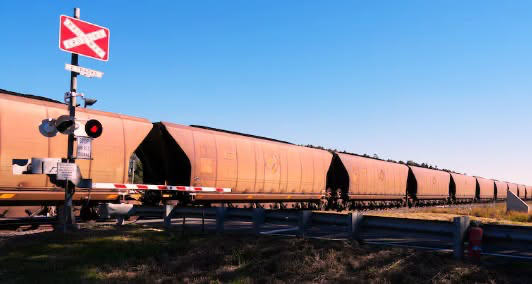

Catherine King has not handled the freight rail developments and the need for investment at all well. Inland Rail is vital to regional Australia and she has stopped it in its tracks.