Part 3 – The Missing Names
Mara didn’t sleep that night. She sat at her kitchen table with the laptop open, the tunnel’s live feed running in one window and a spreadsheet in another. The white van’s disappearance had shifted something in her mind — this wasn’t a glitch, wasn’t a coincidence.
It was a pattern.
She began pulling the last month’s worth of tunnel entry and exit logs, cross-referencing every vehicle that entered but didn’t appear on the other side. The list grew longer than she expected. At first, she thought she’d find maybe a dozen anomalies. By the time the sun began to lighten the sky outside her window, she had forty-seven.
Forty-seven vehicles that had gone in and never come out.
She leaned back, rubbing her eyes. The list was strange — not just in its size, but in its composition. There were no high-profile cars, no luxury sedans or flashy sports models. Most were older vehicles: work vans, second-hand sedans, a few battered utes.
She began looking up the registered owners. That’s when the unease deepened.
A man in his sixties who lived alone in a weatherboard house in Spotswood.
A woman in her forties who’d been renting the same flat in Footscray for over a decade.
A delivery driver whose only listed emergency contact was a sister in Perth.
The more she checked, the more she realised: these were people who could vanish without setting off alarms. No large families. No high-profile jobs. No one who would make the evening news if they disappeared.
It was as if something — or someone — was choosing them.
By mid-morning, she was back at the VicRoads office, running on caffeine and adrenaline. She tried to focus on her regular workload, but her mind kept drifting back to the spreadsheet.
At lunch, she printed the list and took it to Daniel in the control centre. He looked at it for less than ten seconds before pushing it back toward her.
“You shouldn’t have this,” he said quietly.
“Why not?”
“Because if you do, you’re going to start asking questions. And if you start asking questions, you’re going to get answers you don’t want.”
She stared at him. “Dan, forty-seven vehicles have gone missing in less than a month. That’s not a calibration error. That’s not a glitch. That’s—”
“Stop.” His voice was sharp now. “You think you’re the first person to notice? You’re not. But the people who dig too deep into this… they don’t stick around.”
“What does that mean?”
He hesitated, then leaned closer. “Do yourself a favour, Mara. Drop it. Go back to counting traffic flow on the Monash. Forget the tunnel.”
She didn’t drop it.
That evening, she went to the State Library, telling herself she was just curious about the tunnel’s construction history. She requested access to the archives — old planning documents, geological surveys, anything that might explain why the tunnel’s path had been chosen.
Most of it was dry reading: soil composition reports, engineering diagrams, environmental impact statements. But buried in a folder of 19th-century survey maps, she found something that made her pulse quicken.
It was a hand-drawn chart from the 1850s, showing the land along the Yarra River before industrial development. The area where the tunnel now ran was shaded in dark ink, marked with the words: The Hollow Beneath.
In the margin, in faded brown handwriting, someone had scrawled: unstable ground, avoid excavation — whispers heard at night.
Mara traced the shaded area with her finger. The tunnel’s route cut directly through it.
She left the library just as the sun was setting, the city bathed in a coppery glow. The streets were busy here, full of after-work crowds and the smell of food from nearby restaurants. But as she walked toward her car, she couldn’t shake the feeling that she was being watched.
She glanced over her shoulder. A man in a dark jacket was standing across the street, half-hidden in the shadow of a doorway. He wasn’t looking at his phone, wasn’t talking to anyone — just standing there, facing her.
When she turned fully to look, he stepped back into the darkness and was gone.
That night, she added the map to her growing file of evidence. She stared at the shaded section marked The Hollow Beneath, the looping handwriting warning of whispers in the dark.
Her apartment was silent except for the faint hum of her fridge, but as she sat there, she thought she heard something else — a low, almost imperceptible murmur, like voices speaking just beyond the edge of hearing.
She froze, holding her breath. The sound seemed to come from nowhere and everywhere at once, curling around her like a draft.
When she finally moved to close the file, she realised her hands were trembling.
Whatever The Hollow Beneath was, it wasn’t just history.
It was awake.
That night, she added the map to her growing file of evidence. She stared at it for a long time, the words The Hollow Beneath seeming to darken the longer she looked.
She thought about the forty-seven missing vehicles. About the fact that they all belonged to people who could vanish without much notice. About the white van that had been “missing” for three days before she saw it disappear in real time.
And now there was this — a century-and-a-half-old warning not to dig where the tunnel now ran.
She opened her laptop and began searching for any mention of The Hollow Beneath in historical records. Most of what she found was vague — snippets from old newspapers about “strange noises” heard by dock workers, a few references in colonial diaries to “the ground that swallows.”
One entry, from 1861, caught her attention:
“The men refuse to work the site after dark. They say the earth hums beneath their feet, and that the hum is not the sound of water but of something breathing. I have heard it myself, though I will not admit it to them. The sound is low, steady, and it seems to come from far below. I do not believe it is the wind.”
Mara sat back, her skin prickling.
Breathing.
She closed the laptop and sat in the dark for a while, listening to the faint hum of the city outside her window. She told herself it was just an old superstition, the kind of thing people invented to explain natural phenomena they didn’t understand.
But she couldn’t shake the feeling that the tunnel had opened something that was never meant to be opened.
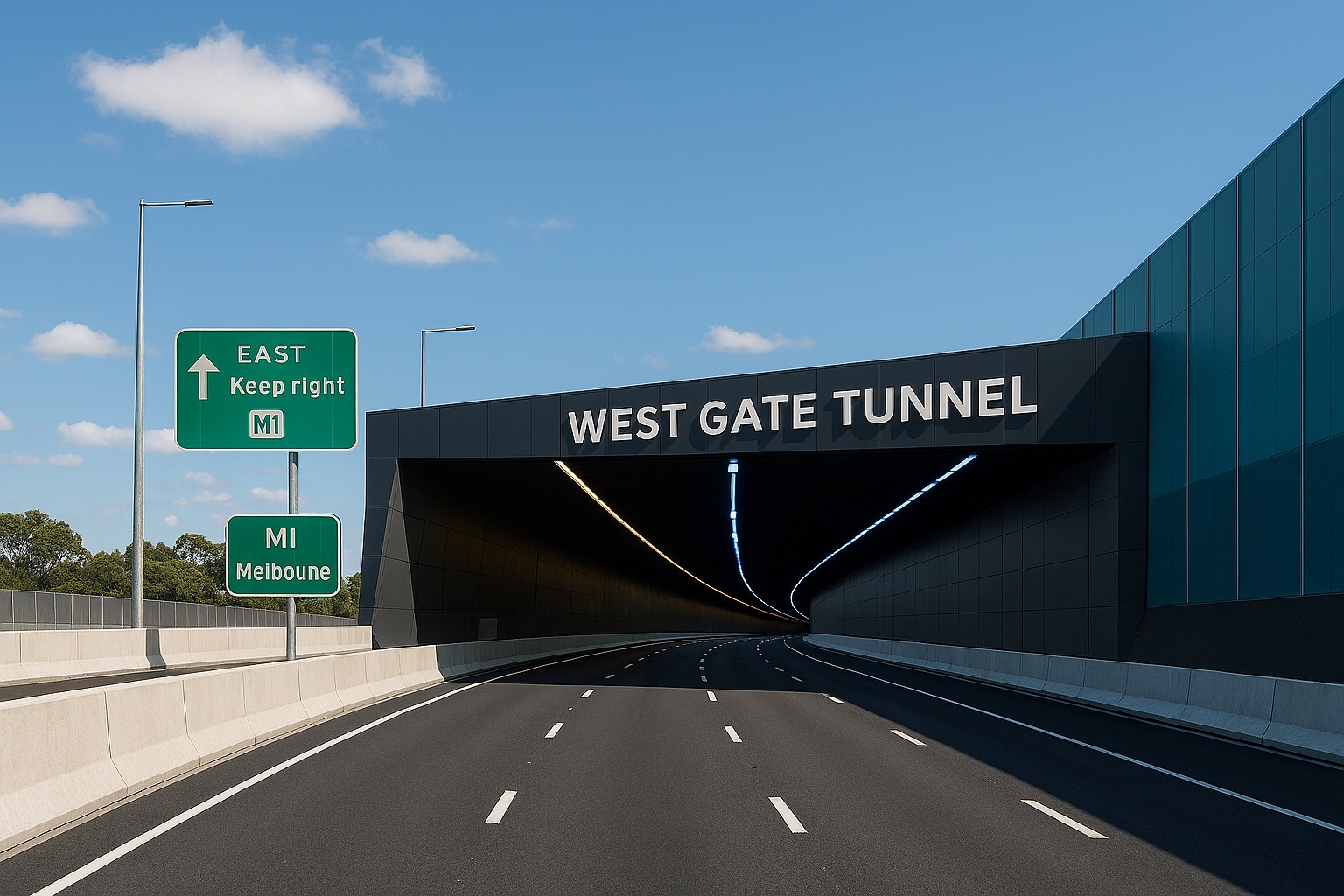
The next morning, she decided to test something. She drove to the western portal of the tunnel and parked in a nearby lot. From there, she could see the steady stream of vehicles entering — commuters, delivery vans, the occasional truck.
She sat there for nearly an hour, jotting down the plates of random vehicles as they passed. Later, back at her desk, she ran them through the system.
Three of them never appeared on the exit logs.
Three vehicles, gone in the space of an hour.
She stared at the screen, her stomach twisting. This wasn’t a slow trickle. This was constant.
That evening, she called Daniel again.
“I know you told me to drop it,” she said, “but I can’t. This is happening every day. People are disappearing.”
There was a long silence on the line.
Finally, he said, “Meet me tomorrow. Somewhere public. I’ll tell you what I know.”
This is a great story.