Office of Rail and Road October 2026 newsletter
30 September 2026
Hello, and welcome to the October edition of our newsletter.
The last month has seen important developments in the future direction of regulation for both the rail and road sectors.
First, we saw the publication by the Department for Business, Innovation, Science and Trade of the independent review of the Office of Rail and Road led by Dr Richard Judge. The review recognises the value of our independence, expertise and unique role across economic and safety regulation. It also identifies opportunities to build on these strengths, many of which align with work already under way through our transformation programme.
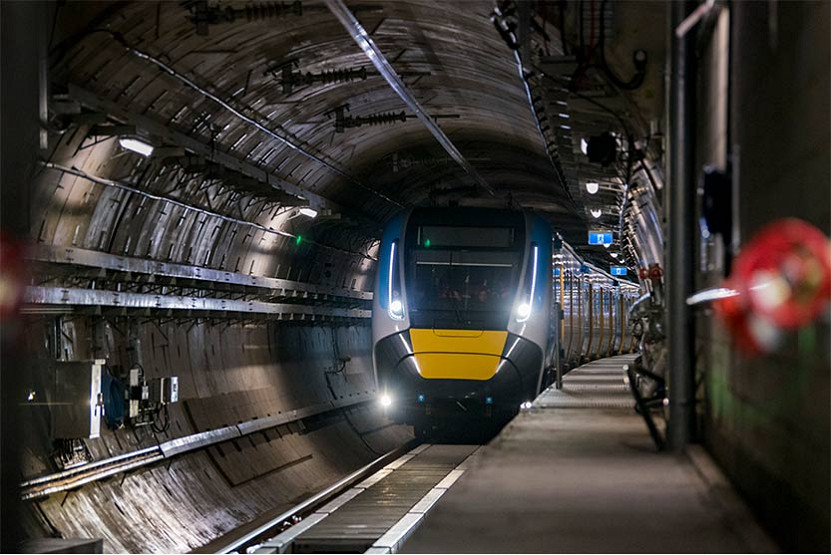
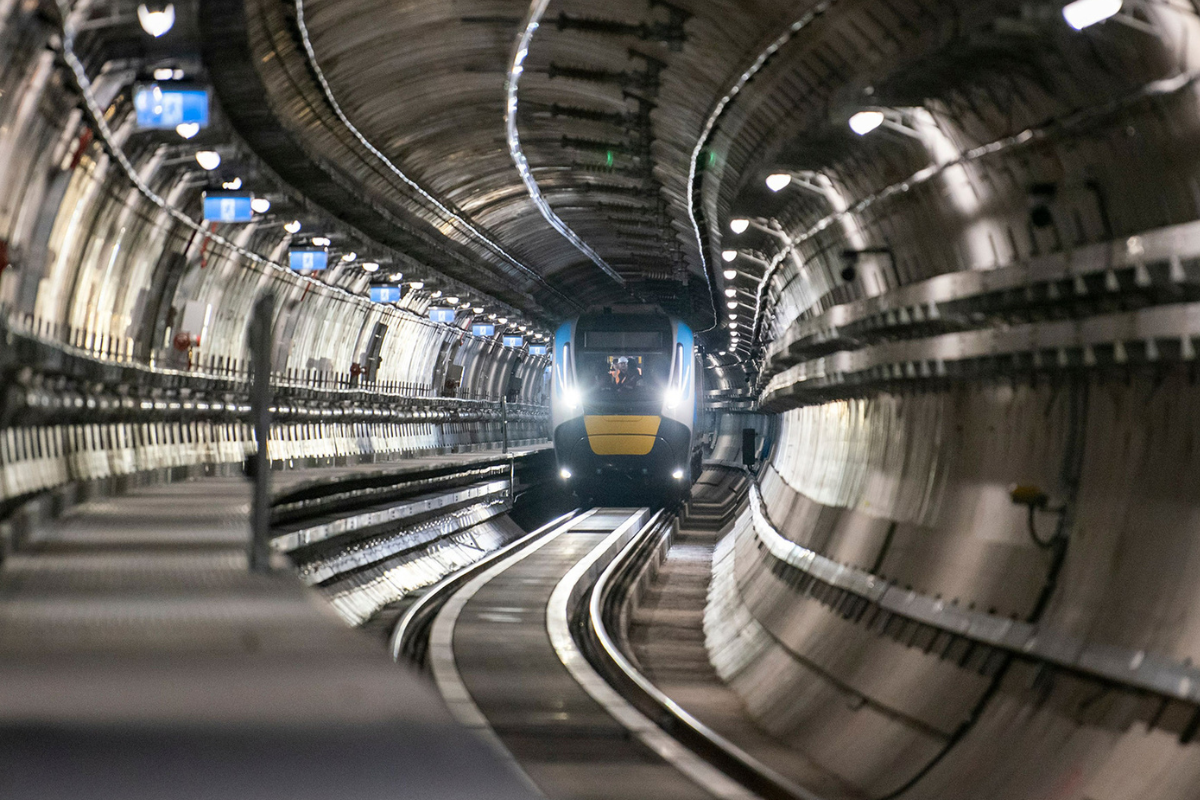
Second, we saw the publication of the Highways (Financing) Bill which was laid in Parliament on 10 September. Once enacted this will enable us to take on the economic regulation for the Lower Thames Crossing (LTC) which will connect Kent and Essex through a tunnel beneath the River Thames.
With the importance of changes in the regulatory landscape – including for rail – I was delighted to speak at the Regulatory Policy Institute annual conference in Oxford earlier in September, sharing a panel with senior representatives from the rail freight sector and Network Rail.
As well as engaging with the regulatory and legislative changes afoot, we have also continued our important work of holding Network Rail to account. Just today, we have published reports on the economic and financial performance of Network Rail and on cost benchmarking.
Our analysis here shows how, despite above target efficiency performance, a number of factors have nevertheless led to overall cost increases. Network Rail delivered £614 million of efficiency improvements in the second year of CP7, covering April 2025 to March 2026, but inflationary pressures, maintenance of ageing assets and train performance issues placed additional pressure on Network Rail’s financial performance in the last year.
Another report featured this month is our 2026 open access monitoring report. This provides an update on open access passenger services, including an overview of new open access services and open access decisions; market outcomes since our 2025 report (such as punctuality, service growth and passenger experience); and a summary of what international market participants are saying.
And today we have published the conclusions of our work on rail investment. Originally commissioned by HM Treasury, this work has been a key focus for us as we seek to support investment and resilience in the rail sector.
We are delighted to have been able to bring forward improvements to the risk fee funds to support investors and improve service standards, while ensuring that risk is allocated appropriately and achieving value for money to enable further investment, ensuring the railway delivers the maximum economic benefit for the country.
Finally, yesterday we announced that ORR has appointed Paul Smith as our new Chief Executive. Paul brings extensive regulatory leadership experience spanning the UK’s aviation, energy and payments sectors. We all look forward to welcoming Paul to ORR in January.
Will Godfrey
Director, Economics, Finance and Markets
Top stories
New Chief Executive appointed for ORR
Following an open and fair competition, the ORR Board has appointed Paul Smith as our new Chief Executive. Paul brings extensive regulatory leadership experience spanning the UK’s aviation, energy and payments sectors, as well as having senior roles in Australia, and joins ORR from Fingleton, the strategic regulatory and competition advisory firm. He will take up the role on 4 January 2027, with Feras Alshaker continuing as Interim Chief Executive until then. Read the full announcement.
Independent review published on ORR’s future role
The Department for Business, Industry, Science and Trade published an independent review of the ORR on 3 September looking at how ORR can adapt to rail reform and deliver our future responsibilities. The review recognises the value of ORR’s independence, expertise and unique role across economic and safety regulation, while identifying opportunities to build on these strengths as the regulatory landscape evolves. Many of the recommendations align with work already under way through our transformation programme.
In her blog, Jeni Webster, Senior Policy and Programme Manager, reflects on the report produced by Dr Richard Judge, which highlights opportunities to build on our role, our independence and expertise as we prepare for rail reform and transition to Great British Railways. Read Jeni’s blog and the full report.
Lower investment fees for third parties and investors
Third parties and investors will now pay lower fees when investing in rail network infrastructure and rolling stock. This follows ORR’s recent review of the Rail Network Investment Framework. Lower rates will take effect from 1 November this year and will help to boost economic growth and support the wider sector. Read the full article.
Highways (Financing) Bill expands ORR’s future roads role
The Highways (Financing) Bill was introduced to Parliament on 10 September and, once enacted, will enable ORR to take on economic regulatory responsibilities for the Lower Thames Crossing. The new road and tunnel crossing between Kent and Essex will be one of the UK’s largest infrastructure projects, and the proposed role builds on ORR’s existing expertise in economic regulation and oversight of the Strategic Road Network. Find out more about the Bill and the Lower Thames Crossing.
Northern Trains meets disability training commitments following ORR investigation
Northern Trains has successfully revised its approach to training its staff to support disabled passengers, meeting its passenger assistance improvement plan. This follows an investigation by ORR earlier this year which found the train operator had failed to deliver the required disability awareness training for its passenger-facing staff.
Working together on train driver medical fitness
ORR is responsible for issuing train driving licences in Great Britain and ensuring drivers remain medically fit throughout their careers. Working with doctors and industry partners, and together with the Department for Transport (DfT) and the Rail Safety and Standards Board (RSSB), we have launched a pilot Medical Advisory Panel (MAP) to improve the medical assessment process for train drivers. The Panel is made up of ORR-recognised medical professionals and will run until 31 March 2027. Find out more about the panel and train driver licences and certificates process.
Highways UK 2026: delivering for road users
Feras Alshaker, ORR’s Interim CEO, and Rachel Gittens, Deputy Director, Strategic Road Network will be sharing their expertise and joining colleagues across the roads and transport sectors at Highways UK in Birmingham on 14 October.
Feras will discuss the themes, pressures and opportunities of the third road investment strategy. Rachel will be with the roads senior leadership team to discuss how ORR holds National Highways to account while driving improvements in network performance, safety and efficiency. The session will focus on how ORR drives and evaluates success and what it means for road users and the supply chain.
Our sessions will provide an opportunity to share ORR’s regulatory expertise and hear stakeholder perspectives on our role and impact. View the full agenda.
Blogs
Taking stock of the open access rail market
In his blog, ORR Senior Economist Nevan McGrath highlights findings from our 2026 open access monitoring report which shows how open access rail services are evolving across domestic and international markets. These reports help inform future regulatory decisions and contribute to wider discussions about the future direction of the railway. Read Nevan’s blog.
Network Rail finances: Inflationary pressures outpacing strong delivery of efficiencies
In his blog, Will Godfrey explains how ORR’s annual efficiency and finance assessment (AEFA), and cost benchmarking report shed light on Network Rail’s financial performance so far in control period seven (CP7). Our analysis shows how, despite above target efficiency performance, a number of factors have led to overall cost increases.
Statistics
This month we published the following statistics:
- Passenger rail performance April to June 2026 17 September 2026
- Freight rail usage and performance April to June 2026 22 September 2026
- Rail safety April 2025 to March 2026 24 September 2026