ORR announces lower investment fees for third parties and investors
30 September 2026
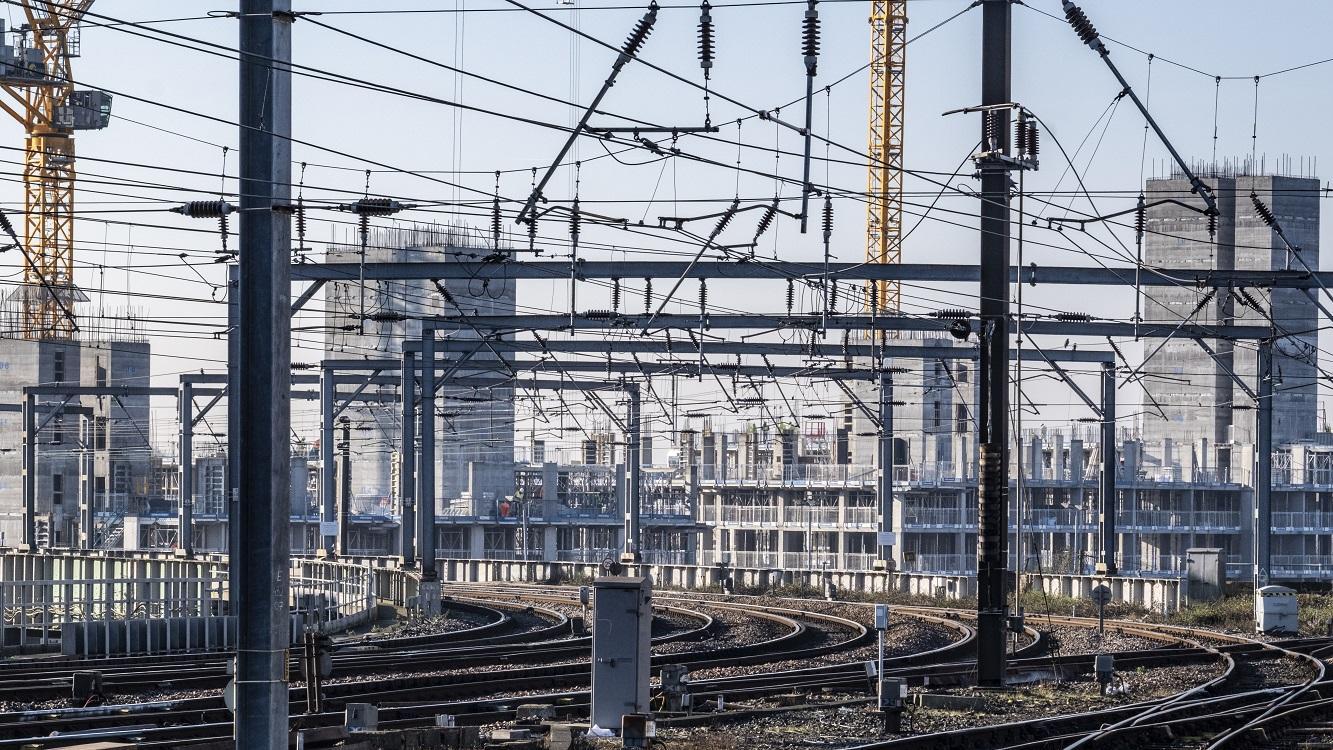
Network Rail charges fees to cover the risks it takes on when a third-party, funds or delivers work on the rail network. ORR’s deep dive review found that there is scope to reduce fees to ensure the risk fee funds are set closer to the break-even level. Today (30 September) ORR has published new rates for the relevant fees, setting out how much third parties will save.
Of the 11 relevant industry agreement types, fees for nine of them are being reduced. For example, for basic asset protection agreements using the Network Rail Fee Fund, where a customer leads straightforward, low risk delivery of works on the railway, the fee is being reduced from 5.0% to 2.4%. For development services agreements, which cover development and design work undertaken by Network Rail for a customer, the third parties will pay one tenth of the current fee (0.1%).
Taken together, the Government Actuary Department (GAD) who carried out an independent actuary review of the funds for the ORR estimates that, if relevant investment levels remain at 2025/26 levels, third parties could save £2-3 million per year. The new fees will be effective from 1 November.
Graham Richards, director, planning and performance, said:
Notes to Editors
- The Office of Rail and Road (ORR) is the independent economic and safety regulator for Britain’s railways and monitor of performance and efficiency for England’s strategic road network
- Third-party investment plays an important role in supporting growth and development across Britain’s railway. Investors can include local authorities, developers, freight operators, ports, airports, train operators and other private sector organisations seeking to fund or deliver rail infrastructure enhancements.
- Projects facilitated through the RNIF can include station upgrades, regeneration developments, freight infrastructure, depots, accessibility schemes and wider connectivity improvements.
- Rail Network Investment Framework Deep Dive 2025.
- Letter to HM Treasury: RNIF deep dive phase 3 findings and next steps.
- Government Actuary’s Department executive summary: Actuarial review of Network Rail risk funds.
- Risk fee funds as of 1 November 2026:
Table 1 – Changes to the Network Rail Fee Fund Fees
| Fund | Agreement Type | Current Rate | Revised Rate |
|---|---|---|---|
| NRF | APA | 7.5% | 7.5% |
| NRF | BAPA | 5.0% | 2.4% |
| NRF | BIA | 2.5% | 0.3% |
| NRF | BSA | 1.0% | 0.2% |
| NRF | DSA | 1.0% | 0.1% |
| NRF | IA | 5.0% | 5.0% |
Table 2 – Changes to the Industry Risk Fund Fees
| Fund | Agreement Type | Current Rate | Revised Rate |
|---|---|---|---|
| IRF | APA | 1.0% | 0.5% |
| IRF | BAPA | 1.0% | 0.1% |
| IRF | BIA | 1.0% | 0.4% |
| IRF | DSA | 1.0% | 0.2% |
| IRF | IA | 2.0% | 1.5% |