Office of Rail and Road June 2026 newsletter
1 June 2026

Welcome to the June issue of ORR’s newsletter.
At ORR, we are working closely with government and industry to develop the frameworks that will help ensure our future rail system, including the transition to Great British Railways, is coherent and works well for everyone.
This includes work on GBR’s access and use policy, ORR’s new appeals mechanism for access decisions, and the development of a new retail code of practice.
These frameworks will be particularly important for organisations operating outside of GBR and the passengers who use them, including devolved passenger operators in Scotland and Wales, freight operators, open access passenger operators and third party retailers.
I spoke about the role ORR is playing in the development of the reformed rail system at the UKRail conference in mid May.
Will Godfrey, our director of Economics, Finance and Markets, also took to the stage at UKRail when he addressed the opportunities and challenges ahead in funding the rail network.
With the operational subsidy for rail now at twice pre-pandemic levels, this is a vitally important topic. Will explained how growth, train performance, whole industry productivity and asset management would be key to securing the customer and other outcomes desired while also addressing the subsidy challenge.
ORR will continue to play a central role in making the reformed railway work effectively across the whole system for users and we’re committed to working with stakeholders to support the development of policies and frameworks to enable that.
Jennifer Genevieve
Deputy Director, Economics, Finance and Markets
Top stories
ORR enables return of Oxford–Bristol rail link with safety safeguards
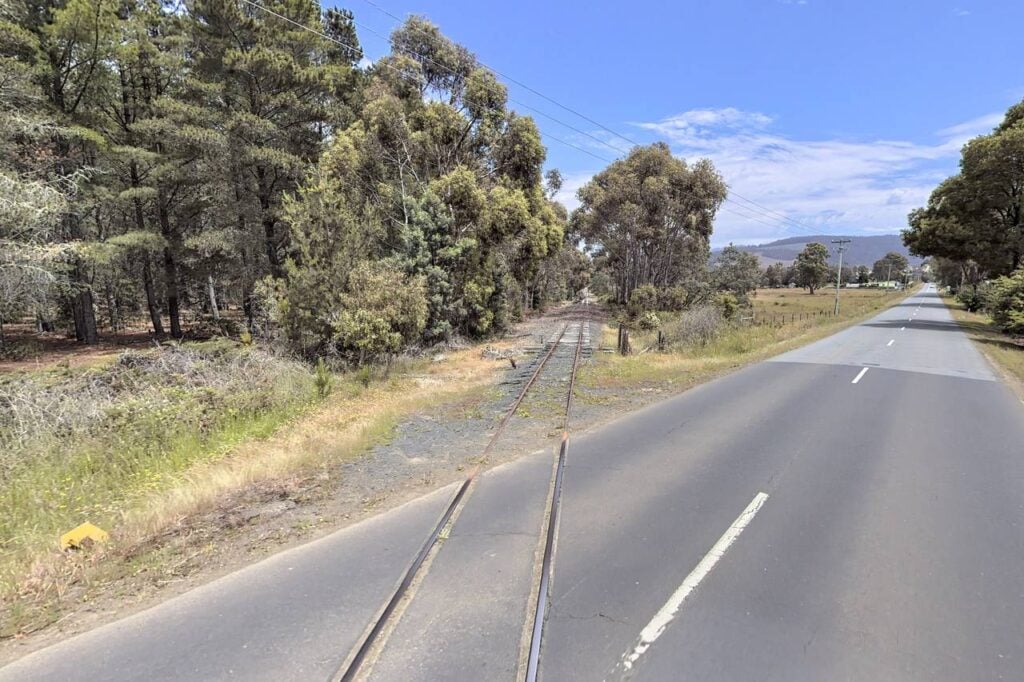
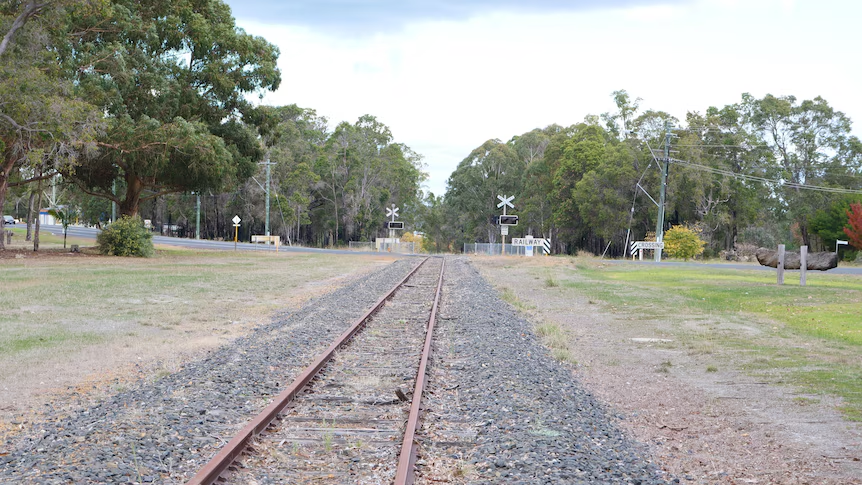
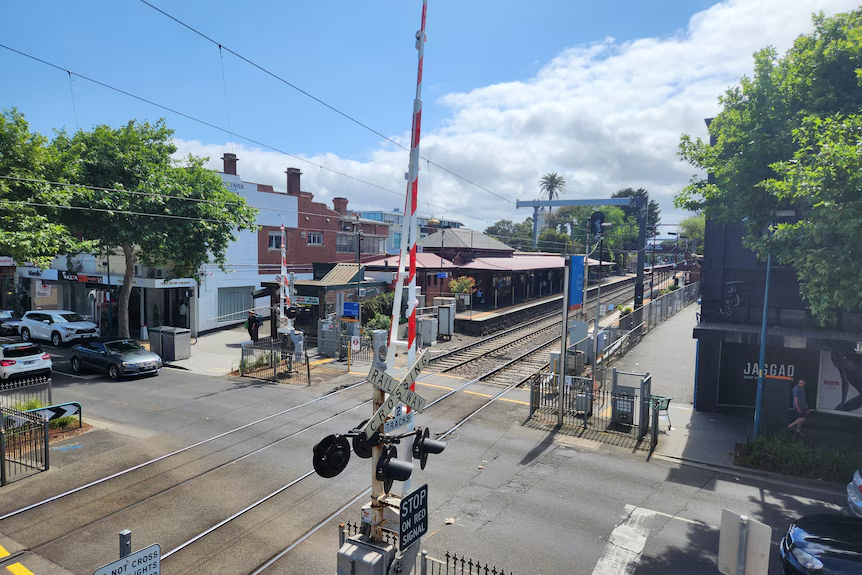
The first direct train service between Oxford and Bristol for over twenty years is now running following ORR’s access decision. The services started on Monday 18th May, benefiting rail passengers through increased connectivity, while ensuring Network Rail understands its safety dutyholder responsibilities. We decided the new services should operate provided Network Rail mitigates level crossing risk. Network Rail also needs to produce timely evidence for the route so a longer-term decision can be taken for the service to continue beyond December 2027.
Clear improvements delivered for passengers after Wales and Western intervention
Following ORR’s 2024 investigation into train performance across the Wales and Western region, Network Rail implemented a long-term improvement plan under our oversight.
Since August 2024, these changes have delivered measurable benefits for passengers. Cancellations have fallen by more than a fifth by the end of 2025–26, while punctuality has improved, with trains arriving within three minutes of schedule increasing from 77.6% to 79.4%.
These sustained improvements have enabled us to close our enforcement action. We will continue to work with Network Rail and train operators nationwide to drive further gains in performance.
Setting action plan for safe adoption of AI in rail and road
We published our Safe AI Innovation Action Plan last Friday, setting out how ORR will enable the safe adoption of AI within UK rail and England’s strategic road network.
One of ORR’s first actions will be to clarify safety risks and regulatory expectations for AI use. This will be published by the end of September via the Digital Safety Strategy and Strategic Risk Chapter on health and safety risks arising from the use of digital systems.
ORR’s use of AI is already embedded into some internal processes. This year, the regulator will explore how innovations can be built into the process of checking that trains and infrastructure can safely work together across the rail network (interoperability authorisations). ORR will also build AI into its analysis of consumer datasets to aid early detection and intervention of issues to better protect consumers.
Data has an important role in decision-making and ORR is committed to building on its transparent and open data approach. This would mean that even more data can be used to inform regulation without relying on sensitive or identifiable data.
A busy month for industry events
ORR was delighted to speak at a number of events in May across the rail and road sectors.
At the RailUK event in Birmingham, director of Economics, Finance and Markets, Will Godfrey, spoke to a packed audience about the opportunities and challenges ahead in funding the rail network while Will’s deputy, Jennifer Geneveive, spoke about the role ORR is playing in the development of the reformed rail system. ORR’s stand at the two-day conference also attracted a lot of interest.
Also in May, Highways Deputy Director Rachel Gittens spoke at both Traffex in Coventry and the Westminster Environment, Energy and Transport Forum on our work with National Highways. ORR’s General Counsel Liz Thornhill delivered a keynote address on regulating a reformed rail sector at the Rail Industry Forum, and ORR Head of Capital Investments Nicola Machado spoke at a rail investment fringe at UKREiiF on the future of rail investment.
Ensuring the long term health of our rail and roads
ORR has published two pieces of research in the last month, aiding our continued work to look after the long-term health of Britain’s transport assets.
Between September 2025 and February 2026, we carried out an in-depth review of how large renewal projects evolve across the early development and planning stages of the project lifecycle – across both National Highways and Network Rail.
The review which examined governance, estimating, risk management and efficiency across major infrastructure renewals found both organisations operate at a “Managing” maturity level rather than achieving “Optimal” performance.
Recommendations include Network Rail and National Highways establishing joint knowledge-sharing frameworks and six-monthly compliance reviews covering at least 75% of regional delivery activity.
In addition we have done a review into Network Rail (NR)’s Weather Resilience and Climate Change Adaptation (WRCCA) plans as they relate to operational assets, particularly how these plans address climate risk and resilience for buildings.
The review found a strong overarching framework for managing weather and climate risks, with clear strategic intent and alignment with risk based and performance based approaches. However, the report identifies variability with how this framework is applied in practice to building assets across regions.
Overall, the treatment of buildings within WRCCA plans is often high level. There is limited building specific risk assessment, adaptation measures or performance metrics, and differing levels of maturity across regions.
Statistics
This month we published the following statistics:
- Signals passed at danger: Jan- March 2026 (Q4)
- Passenger rail performance: Jan – March 2026 (Q4)