Working from home is being seen as a “permanent structural change” with 31,000 fewer Wellingtonians a day travelling to work, putting harbour ferries and some train services at potential risk.
The daily drop – the equivalent combined population of Karori, Khandallah and Ngaio – is revealed in papers to a Greater Wellington Regional Council committee meeting on Thursday as it mulls what shifting habits mean for public transport.But the ramifications are wider with businesses across the region experiencing the boom and bust of a changing society.Council papers say the work from home (WFH) culture appears to be a “permanent structural change” and the longer the trip, the more likely people were to work from home.
The data was extrapolated by the regional council from Census data between 2018 and 2023. Further backing the claim that distance from work increased the chance of people WFH are figures showing rail use recovered to 85% of pre-Covid levels, before dropping back to 75%. Road traffic is still below 2019 levels.
But bus trips had rebounded and were above 2019 levels and bike use, although a small portion of all travel, was “well above” 2019 levels.New transport figures are good news for bikes and buses, but Greater Wellington
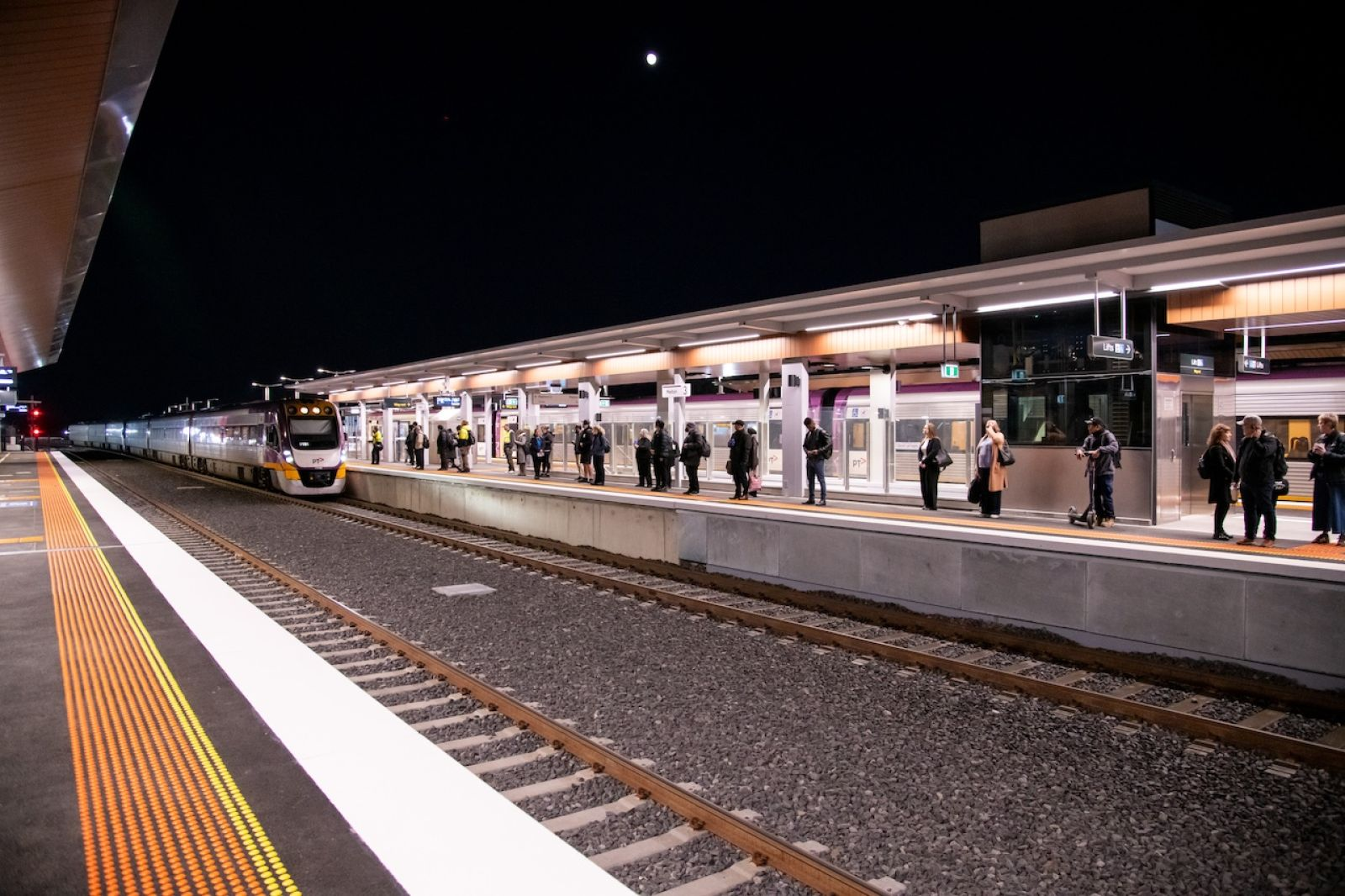
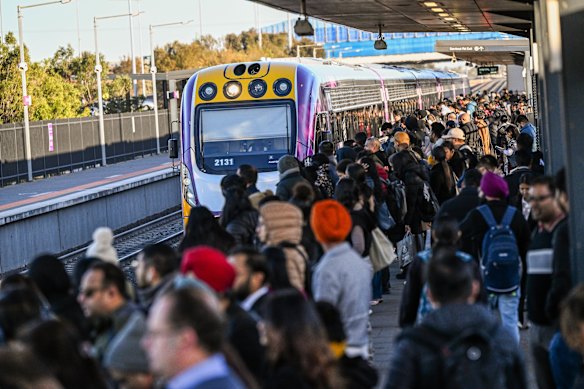
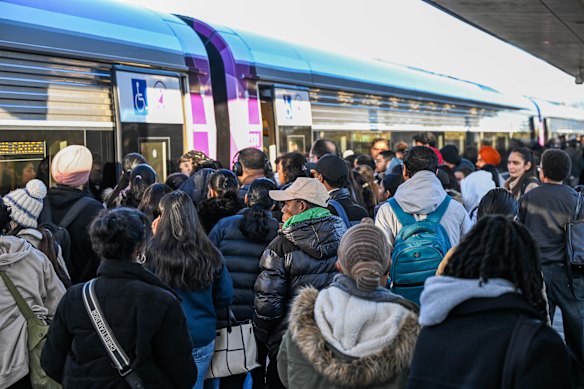
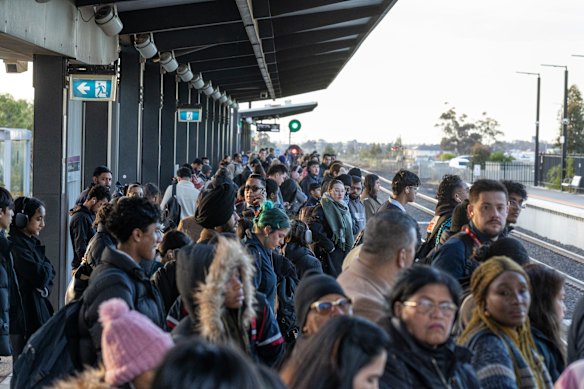
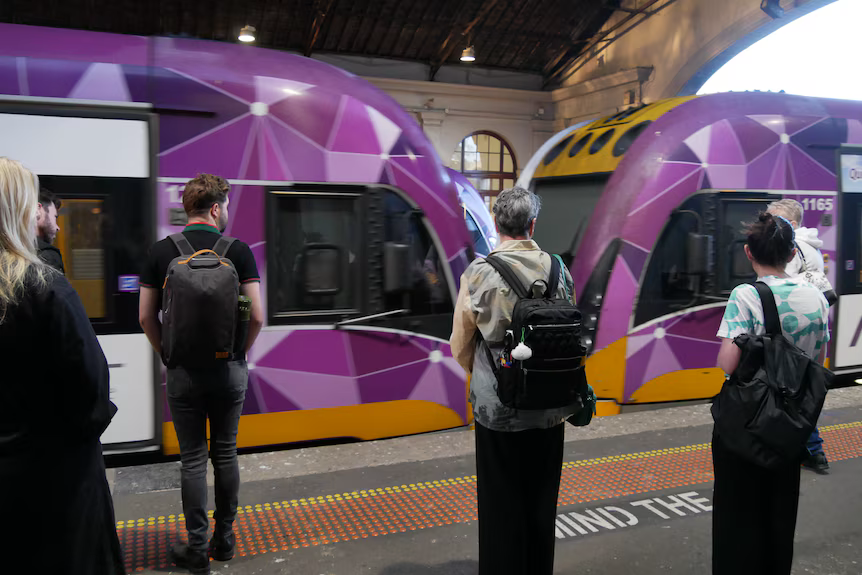
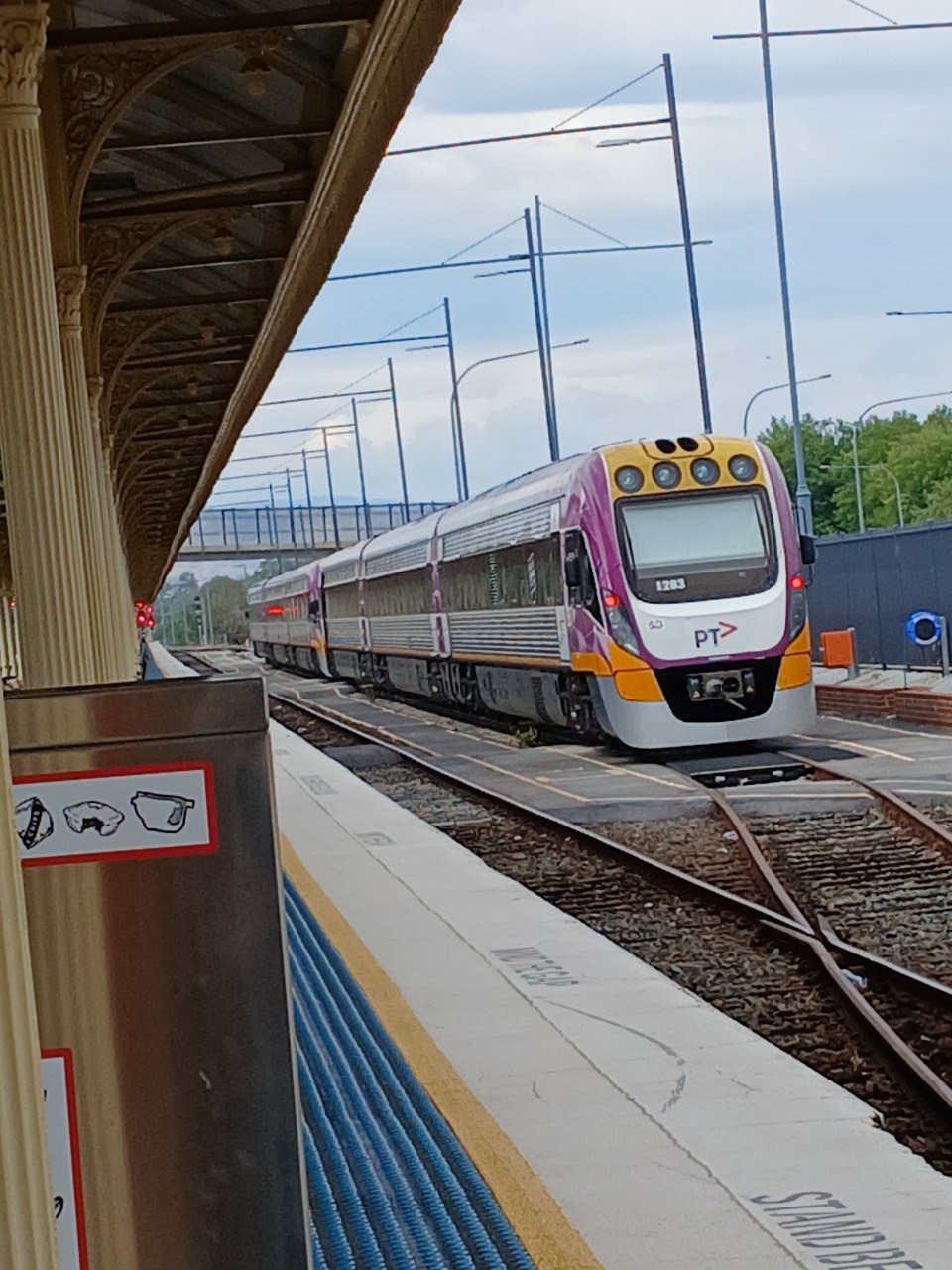
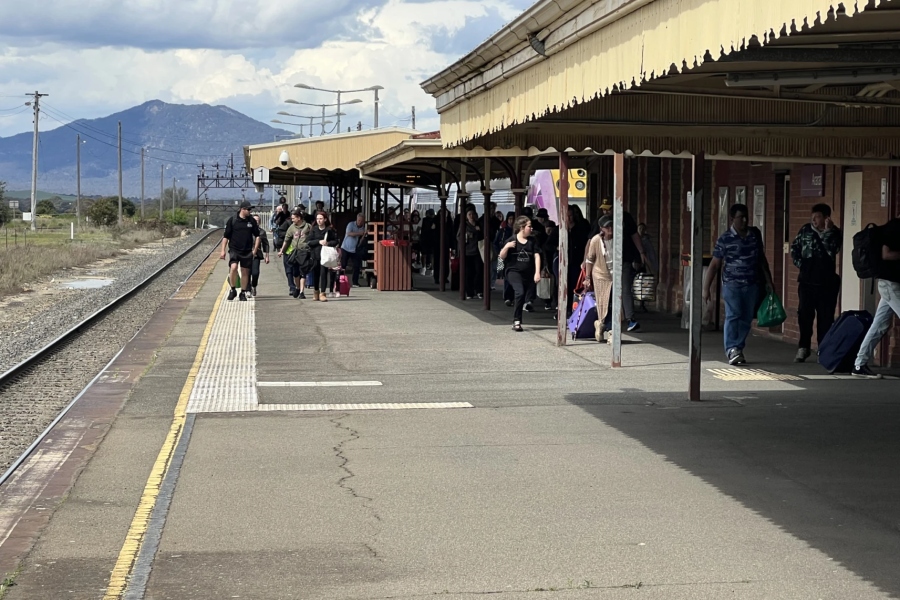
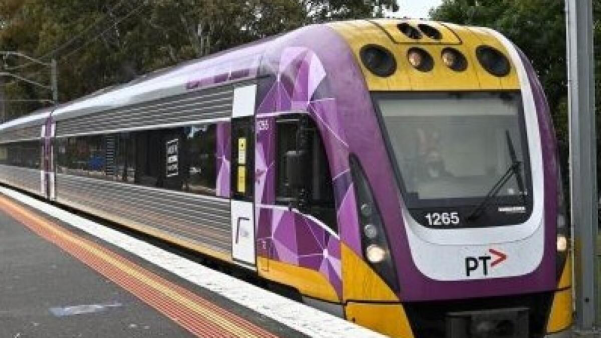
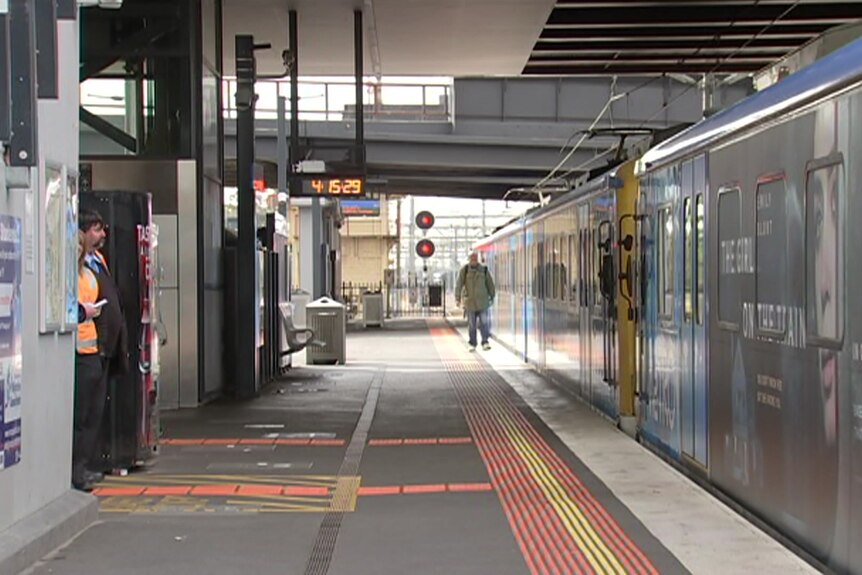
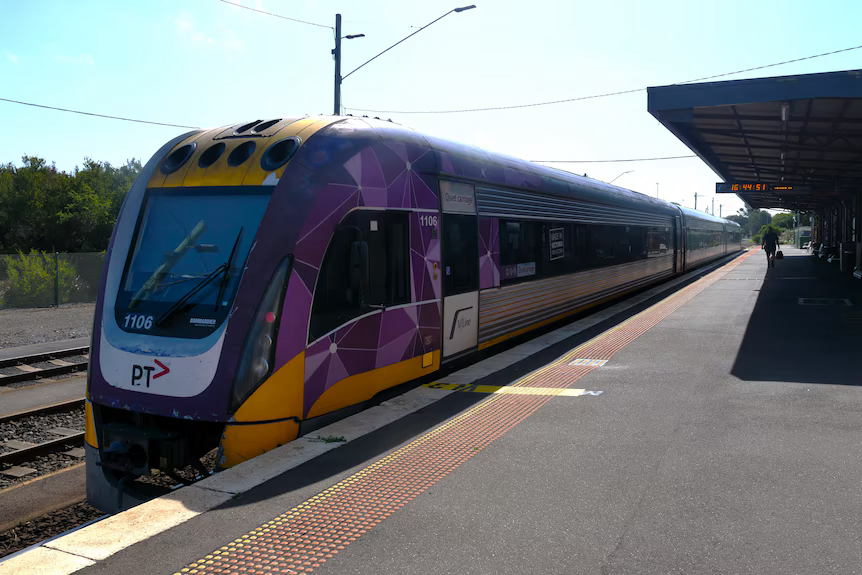
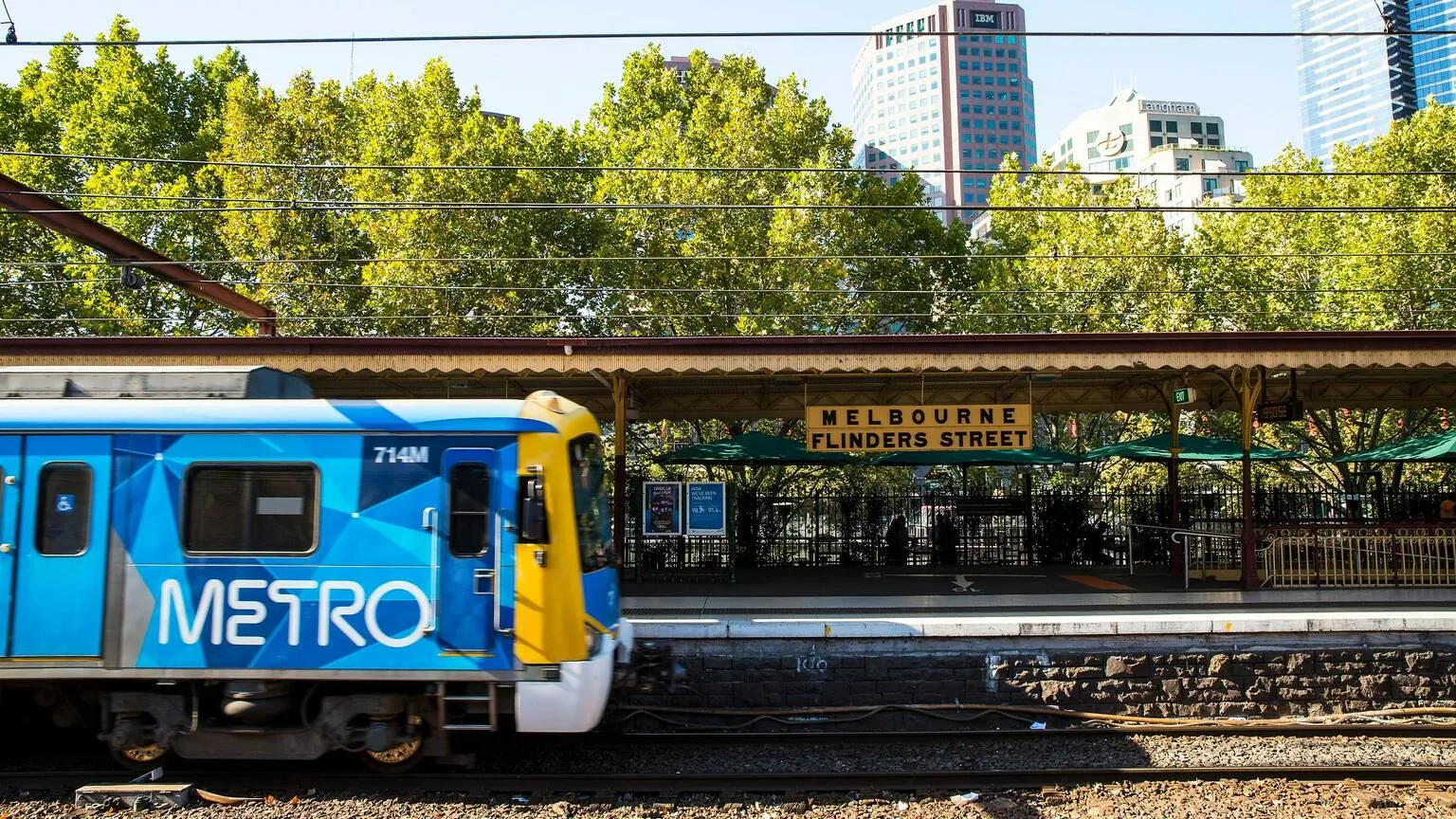
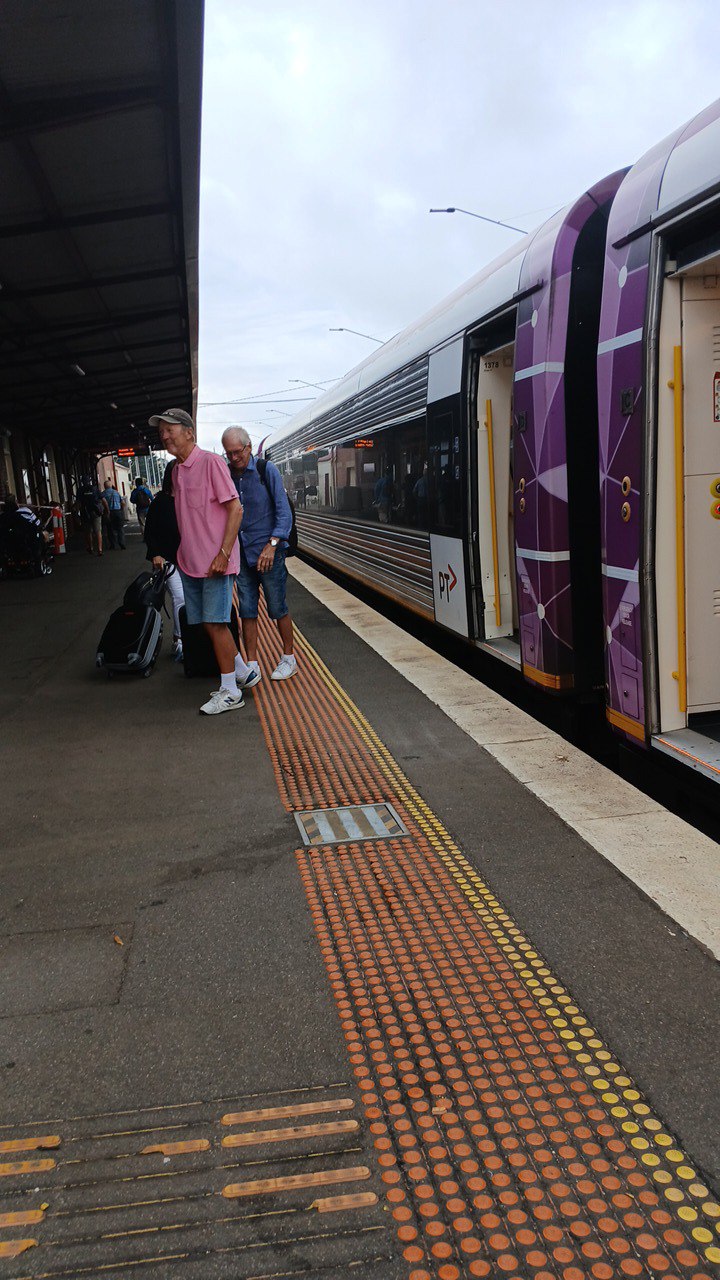
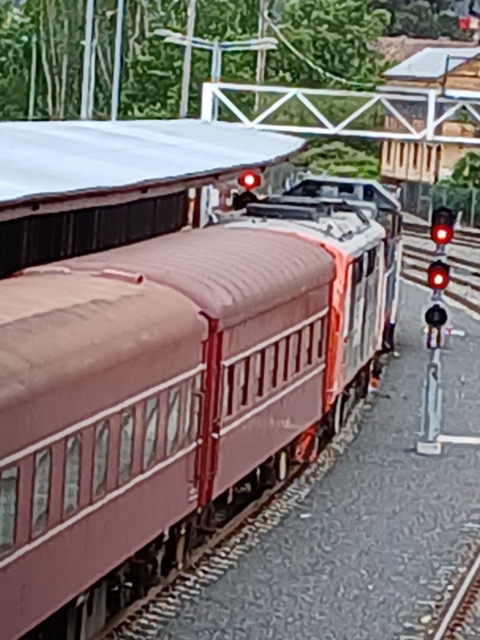
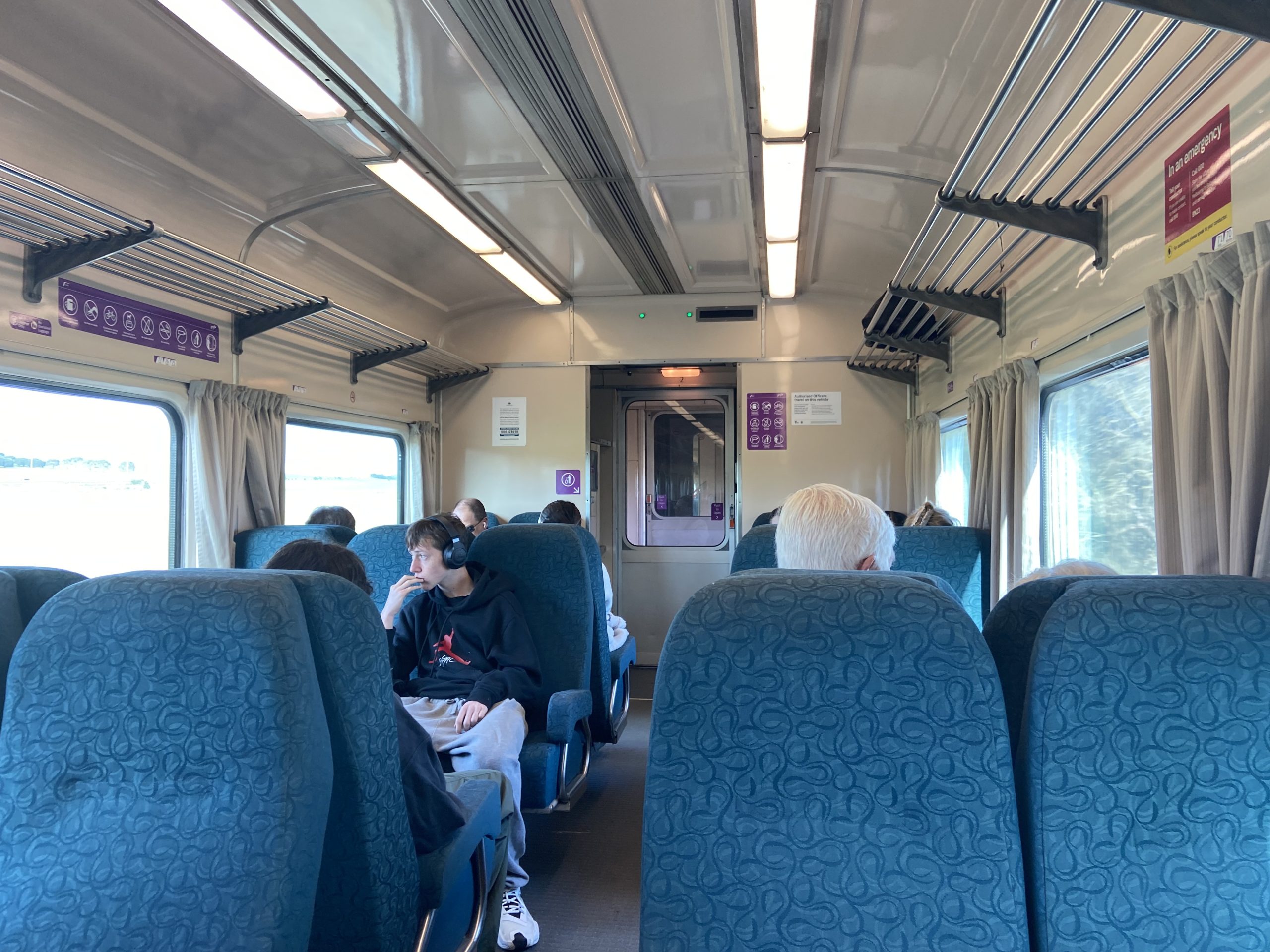
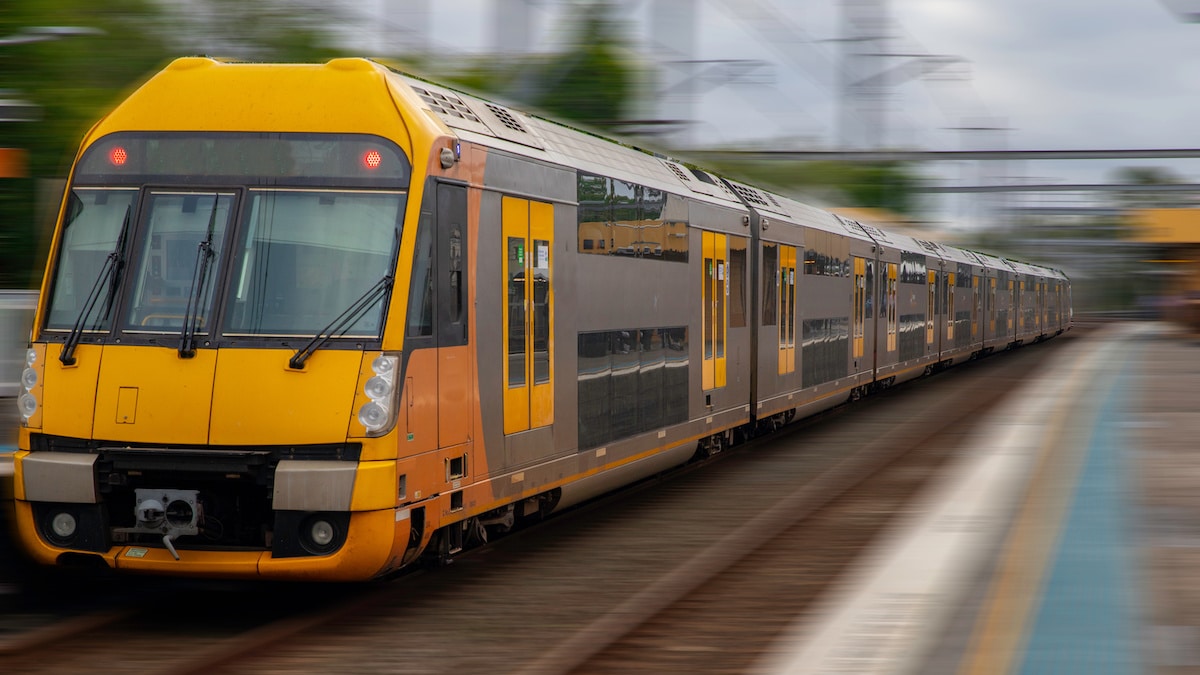
Public transport committee chairperson Ros Connelly said the major concern was the drop in train passengers – each day is now down by between 18% to 33%.
But the council was in a “catch 22” with a change in central government funding pushing train fares up, which in-turn meant less people using trains, she said.If the trend continued, the council would have to look at cutting “duplicate” services.
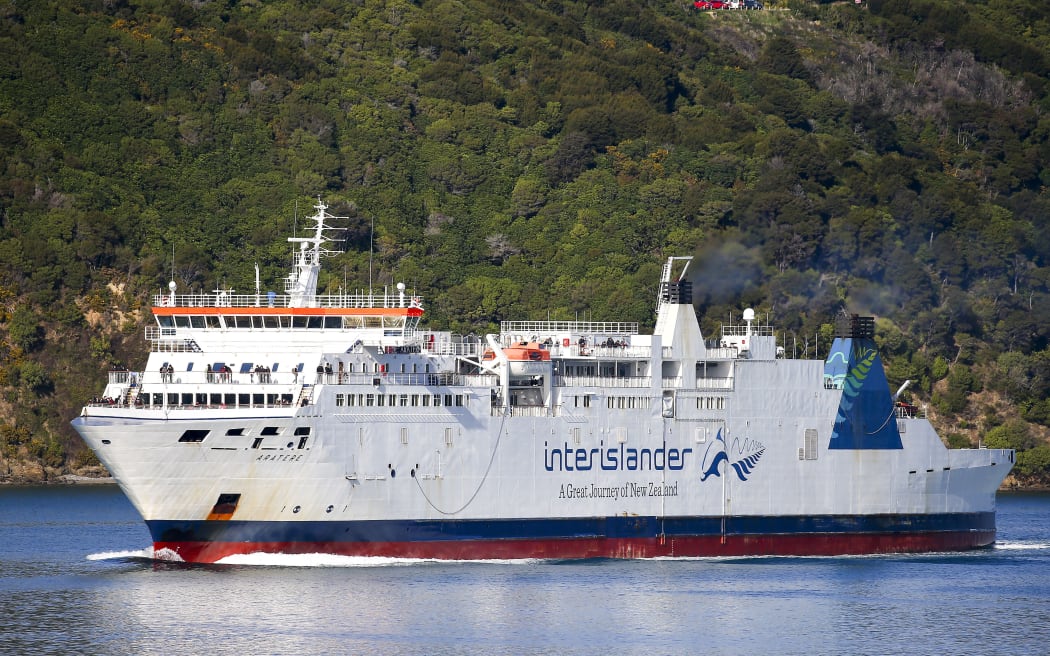
This could mean losing funding for harbour ferries when there was a bus and train option from Eastbourne to central Wellington, or having a Wainuiomata bus stop at a Hutt railway station rather than continuing to the city.Retail
Retail NZ chief executive Carolyn Young said it would be the “dream” to get people back into the office full-time but hard to achieve. But some businesses were already working to reduce WFH days.
“When you think of Wellington, the capital of New Zealand, you would like to think it was thriving,” she said. But the combination of WFH, Wellington job cuts, and Covid were pushing the city in the other direction.
South Wairarapa mayor Dame Fran Wilde had no hard data to show what was happening in her patch, but said cafes were busy during the week.
“Many people chose to live in Wairarapa because of the attractive lifestyle and we encourage working from home,” she said.
“This may have been reinforced in recent years because the poor quality of the rail service has led to people abandoning the train because of unreliability.” \
\
Wellington mayor Andrew Little said there was a global trend towards WFH. A recent report found 19% of Wellingtonians usually worked from home, compared to 8% in 2018. WFH had good aspects, such as more flexibility for families and less traffic congestion.
“At the same time, I have real sympathy for inner city retailers and service providers doing it tough.”
His council was trying to “get the balance right”.
Published in [The Post 19 March 2026](https://www.thepost.co.nz/nz-news/360968569/fears-trains-and-ferry-31000-fewer-wellingtonians-travelling-work) \
\
For further reading concerning the points raised in this opinion –
* [Future of passenger rail in New Zealand is regional rail](https://publictransportforum.nz/articles/article/the-future-of-passenger-rail-in-new-zealand-is-regional-rail-07-07-2025/)
* [Time for a national public transport network](https://www.publictransportforum.nz/articles/article/national-public-transport-network-07-06-2022)