Office of Rail and Road April 2026 newsletter
1 April 2026

Welcome to April’s newsletter, which illustrates the range of our work. The rail productivity reports covers the whole rail industry and shows trends over time, while our new stations update focuses on our work authorising two new stations in the West Midlands and the last station on the Northumberland Line.
We secured improvements from Northern Trains to improve accessibility for passengers who rely on assistance when travelling and we have meanwhile secured improvements at passenger help points across the network.
We have published our annual safety report on England’s strategic road network, which shows that while casualty rates per mile travelled remain at record lows, recent improvements levelled out in 2024 and National Highways is set to miss its government-set safety target.
Later in April we will publish our Business Plan for 2026/27, which will include details of our transformation programme to reflect the Railways Bill which is currently in Parliament. In 2026-27 we will also take on a new role overseeing TfL’s capital programme and new roles on the planned Lower Thames Crossing.
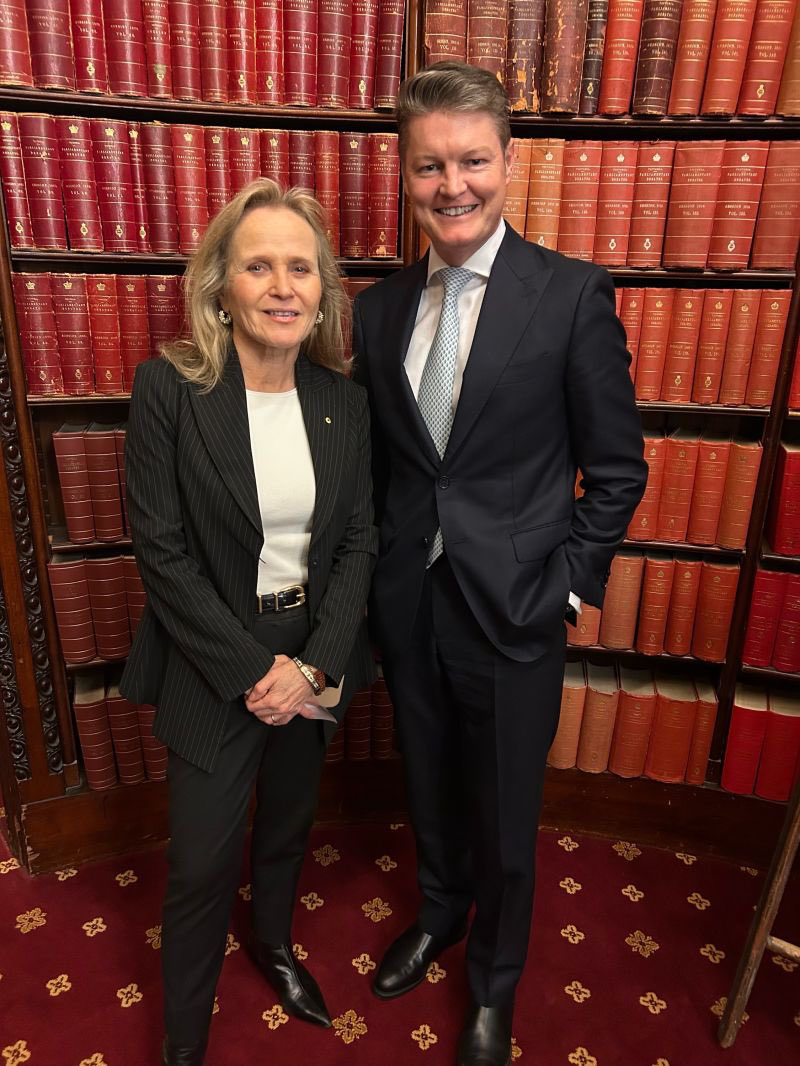
This is my last newsletter, as I will leave ORR at the end of April after seven years as CEO and, indeed, twenty years serving ORR and its stakeholders. It has been a real privilege working with colleagues and stakeholders across the road and rail sectors, and I thank everyone for their support, professionalism and engagement over the years.
I’m very pleased to say that Feras Alshaker will take over as Interim CEO from 27 April. I would like to wish Feras the very best in this role.
John Larkinson
CEO
Top stories
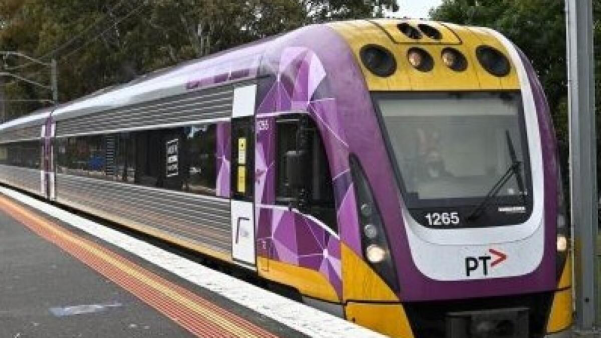
ORR secures £550,000 passenger improvements from Northern Trains after accessibility investigation
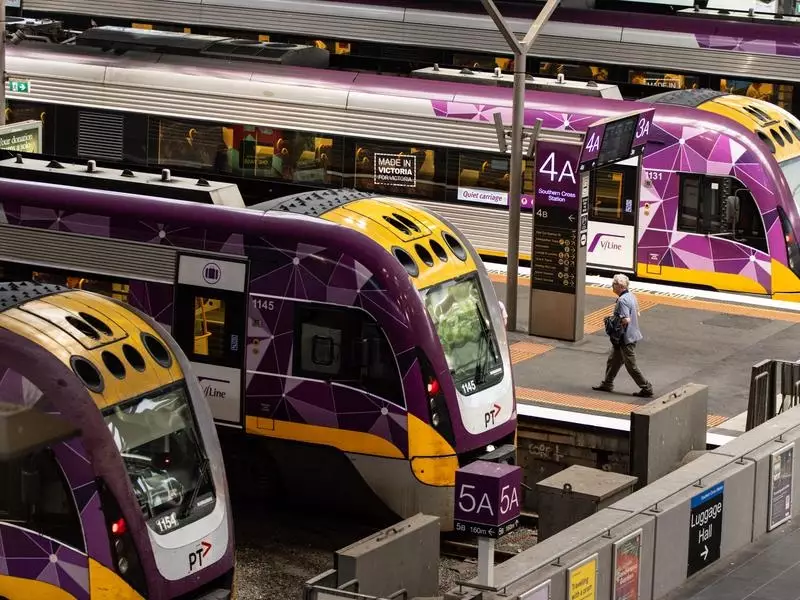
Following our investigation into Northern Trains over failings we secured commitments from the operator to improve accessibility for passengers who rely on assistance when travelling.
Our investigation found significant gaps in disability awareness training for passenger-facing staff, with inadequate management oversight and record-keeping.
Northern Trains has acknowledged these failings and is working to resolve them, with most improvements expected to be completed by the end of March 2026. We also accepted the operator’s £550,000 package of additional measures, predominantly targeted at further improving disability awareness training.
Stephanie Tobyn, our Director of Strategy, Policy and Reform, noted, “Securing lasting changes to training, governance and passenger support will deliver greater public benefit than us imposing a financial penalty, and we will continue to monitor Northern Trains closely to ensure these commitments are fully delivered.”
Safety improvements plateau on England’s Strategic Road Network
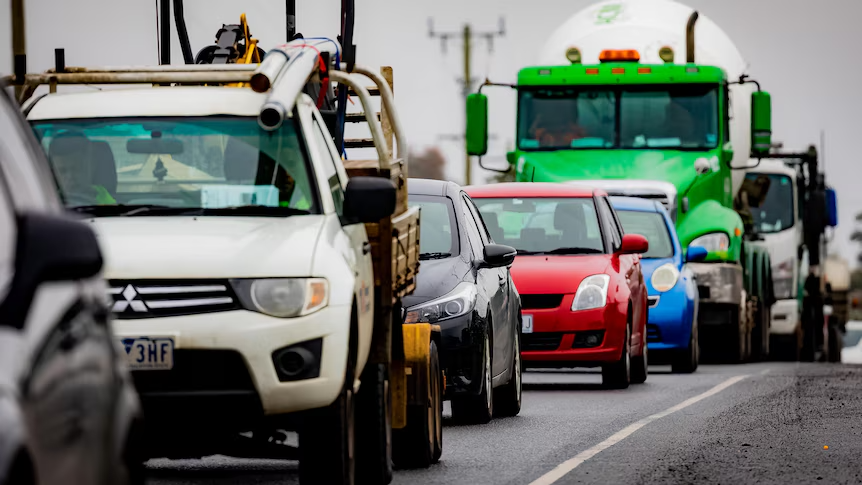
Our fourth annual assessment of safety performance on England’s strategic road network shows that while casualty rates per mile travelled remain at record lows, recent improvements levelled out in 2024 and National Highways is set to miss its government-set safety target.
In 2024, 1,931 people were killed or seriously injured on the strategic road network — an increase of 23 compared to 2023 — though because traffic volumes rose by a similar proportion, the casualty rate remained unchanged at 19.9 people killed or seriously injured per billion vehicle miles travelled.
National Highways has completed 41 of its 43 enhanced safety action plan commitments, but some of these are not yet reflected in casualty figures.
On smart motorways, stopped vehicle detection technology continues to meet national performance requirements, and National Highways is making progress evaluating the effectiveness of measures introduced under the smart motorway action plan, though firm conclusions will require several more years of data
However, we have raised concerns about delays to the programme to upgrade existing roadside technology — including CCTV, signalling and signs — which is now due to complete more than a year later than planned.
As we move into the third road period, National Highways must demonstrate it has learned the lessons from these delays and can reliably deliver its wider renewals programme across the network.
Progress to improve help points at stations continues
Following our 2024 report identifying weaknesses in the reliability and monitoring of help points across the network, we have seen positive progress from station operators — but more work remains to be done.
Help points are often the only way for passengers to speak to someone when station staff are unavailable, making it essential that they are working and that calls are answered. After assessing data from operators responsible for help points at more than 2,500 stations across Britain, we found that not all operators had reliable systems in place and raised concerns about connectivity at remote stations.
In response to our recommendations, 21 station operators reviewed their monitoring and maintenance arrangements. Nearly half have introduced, or are introducing, newer help point models with better functionality, enabling quicker fault identification and faster repairs.
Northern Trains and Transport for Wales, which faced the greatest challenges, are making improvements that we continue to monitor closely. While we recognise the progress made, we expect operators to maintain this momentum and will continue to collaborate with governments and industry to ensure improvements are sustained and passengers receive consistent, dependable support across the network.
ORR authorises new stations
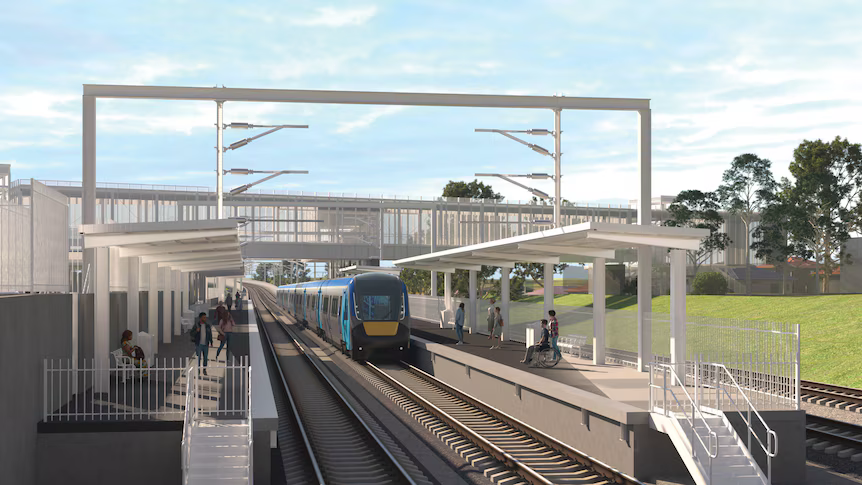
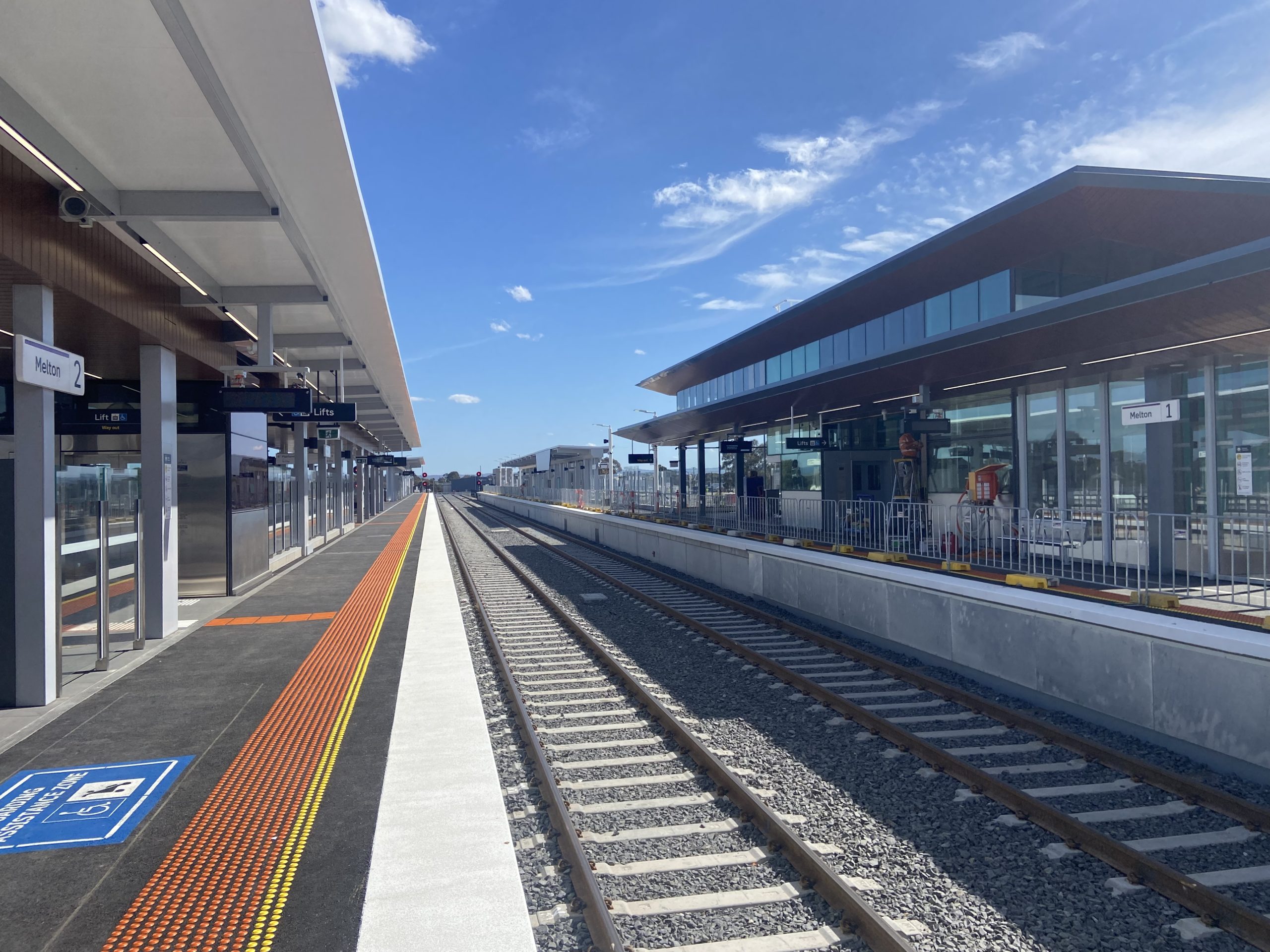
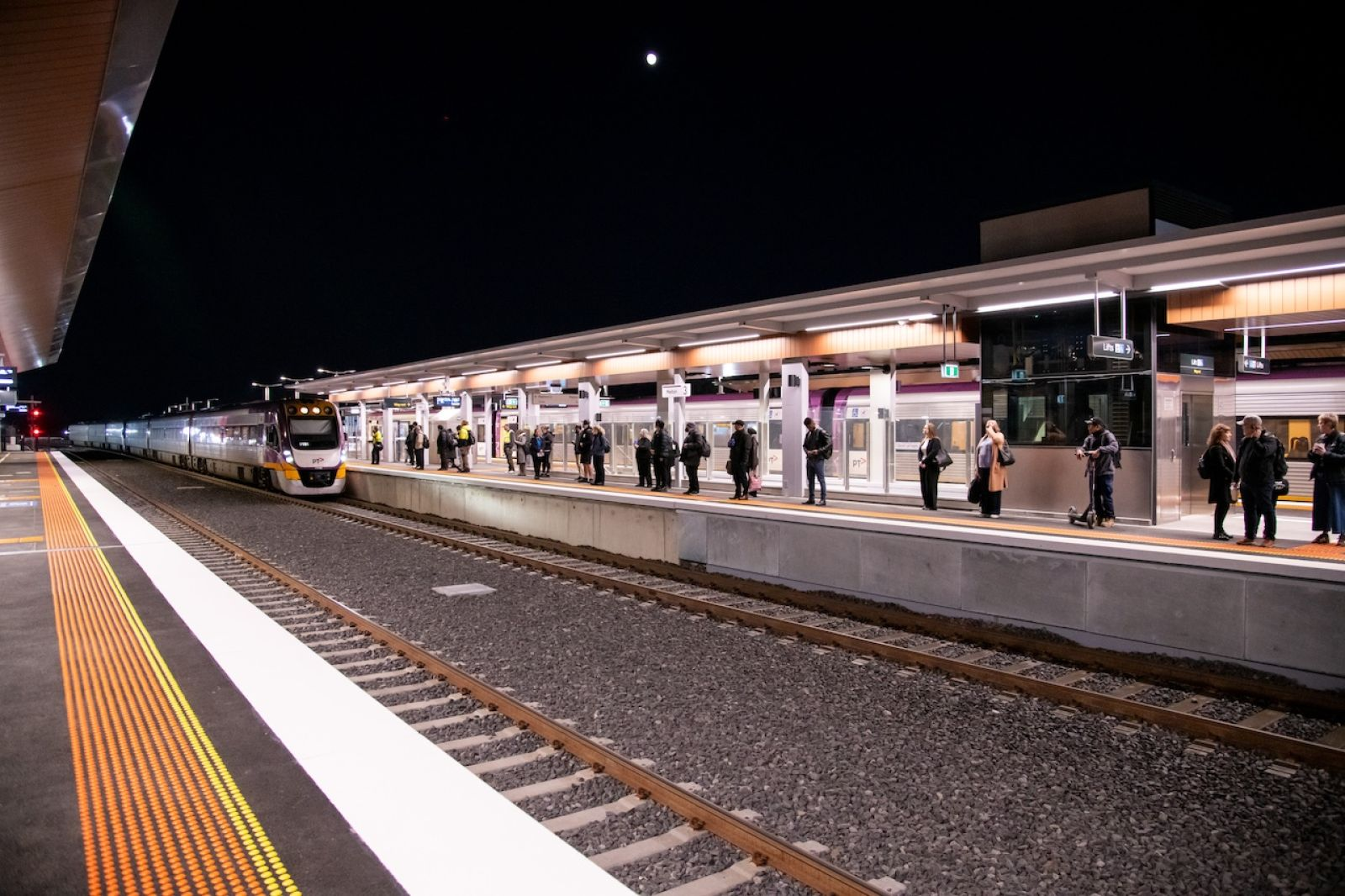
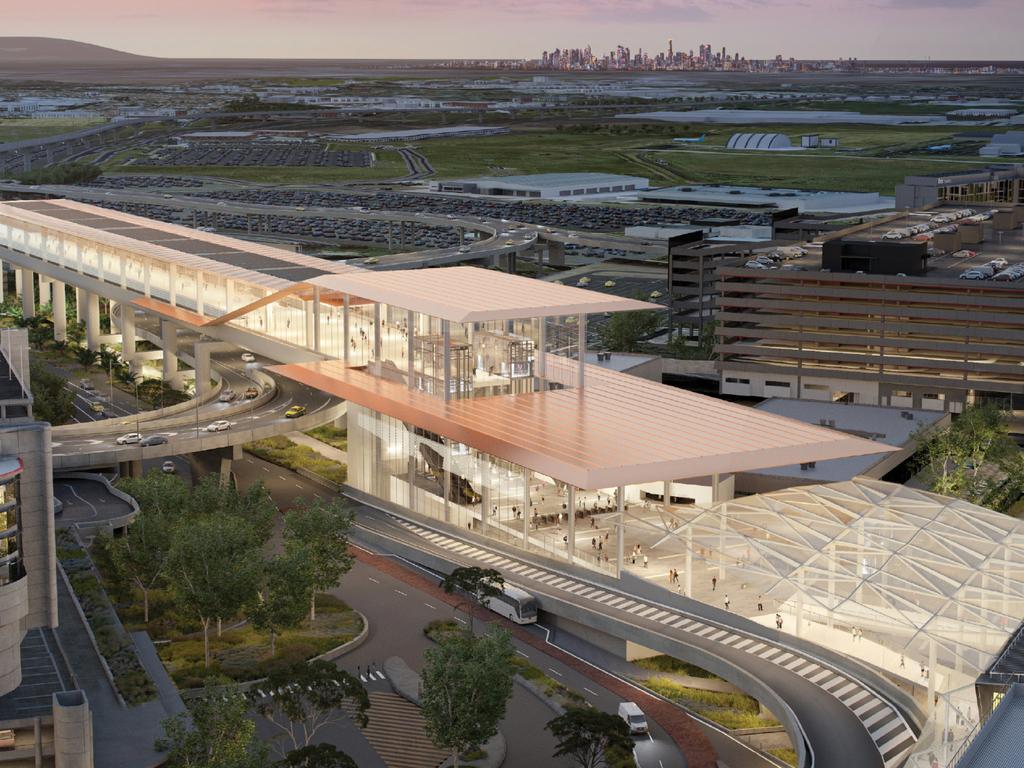
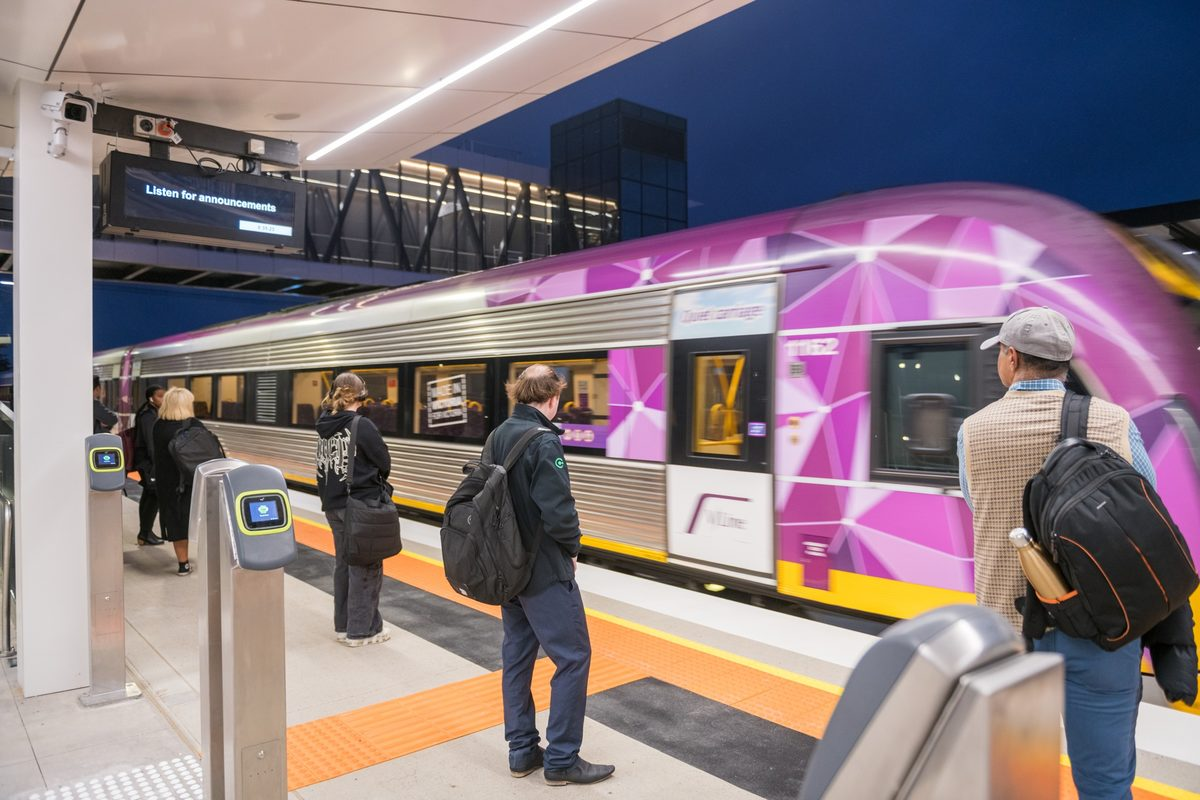
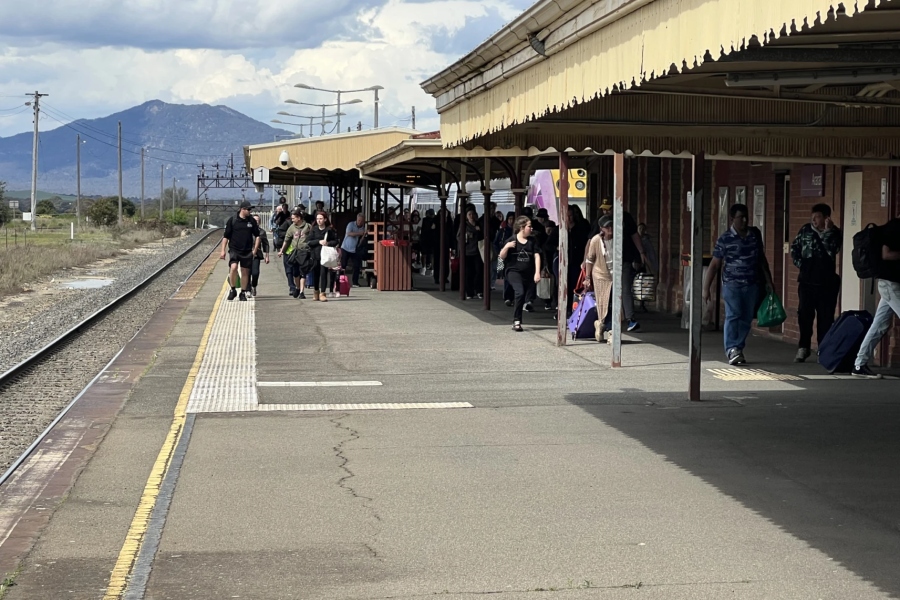
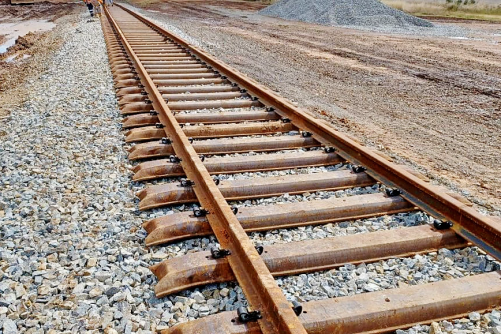
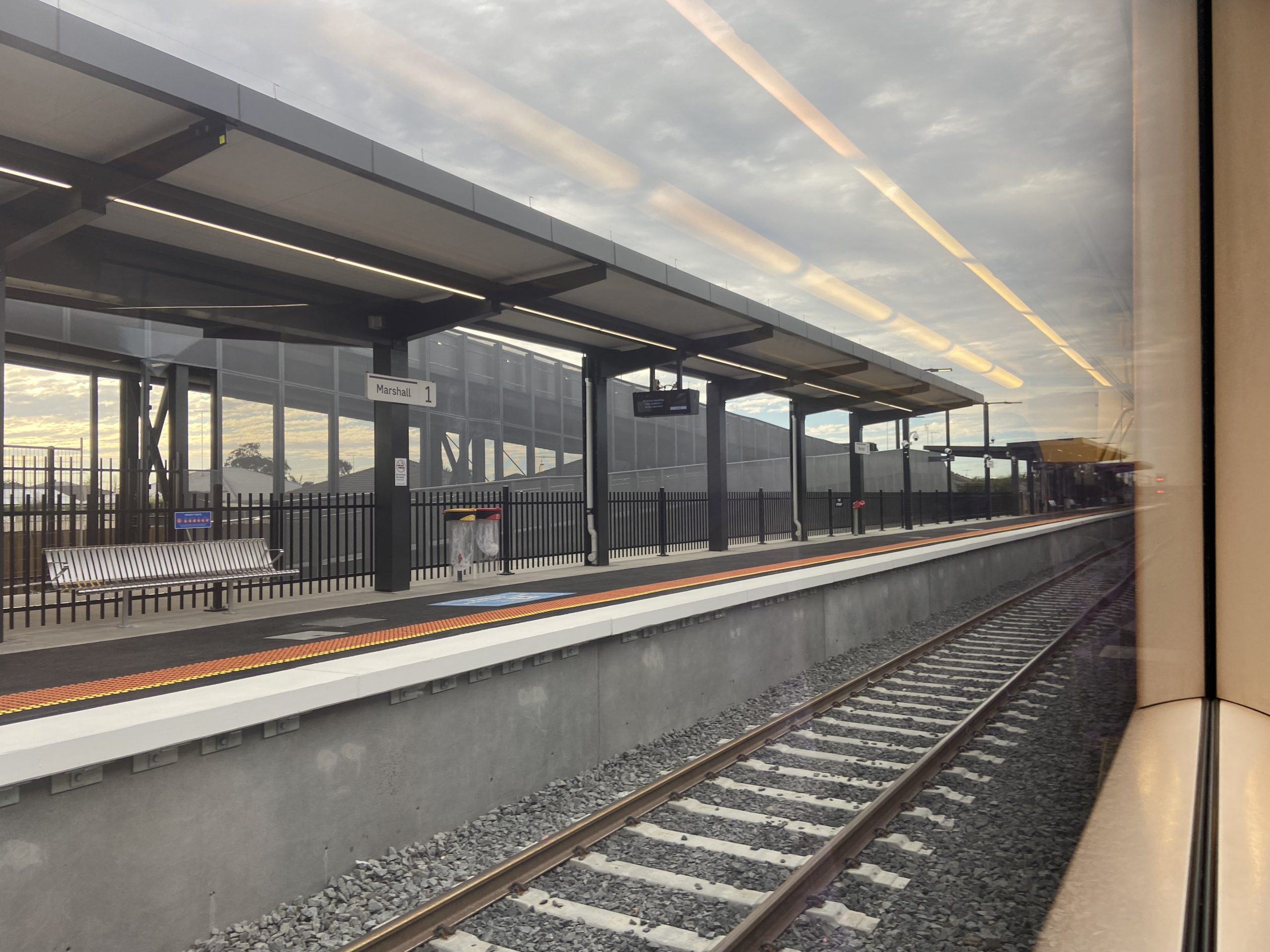
We have authorised two new stations at Willenhall and Darlaston in the West Midlands, marking the first of five new stations set to open in the region.
The stations have been added to the timetable for the hourly Shrewsbury to Birmingham New Street service via Wolverhampton, and include step-free access via new lifts, as well as car and cycle parking.
Our authorisation confirms that the stations meet the required standards on health and safety, accessibility, environmental protection, reliability and availability – a key milestone in bringing new infrastructure into service. We worked closely with the West Midlands Combined Authority, Network Rail, and the West Midlands Rail Executive throughout the process.
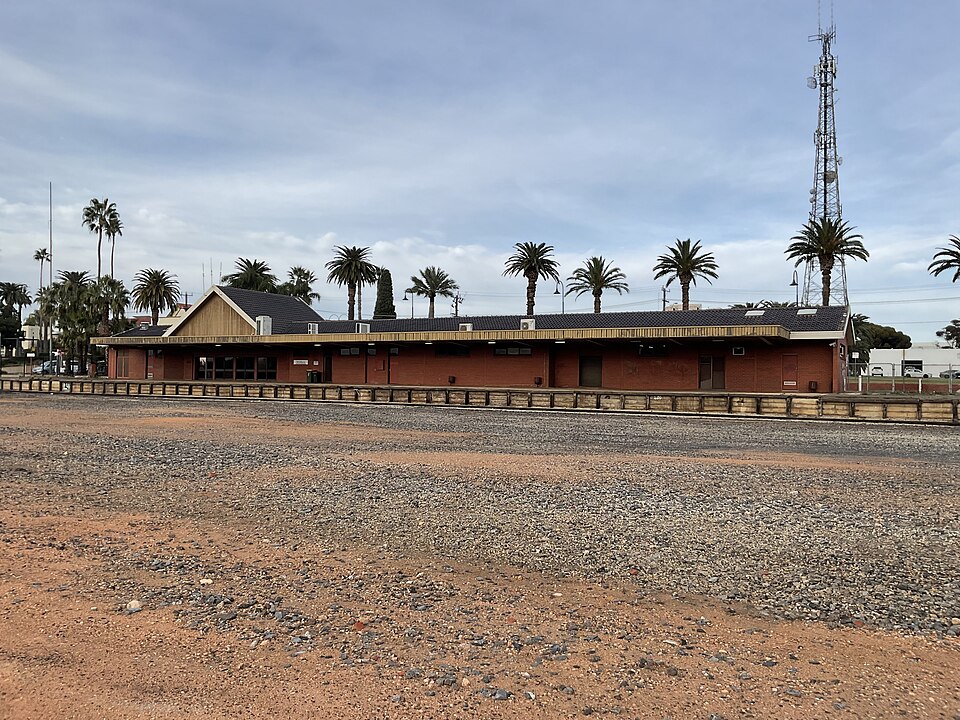
We have also authorised the last station on the Northumberland line at Bedlington. Our authorisation covers the station’s two new platforms and associated features, including passenger information systems, help points, lighting, CCTV and ticketing facilities. The station also includes a new car park.
Rail productivity continues to recover
In his recent blog, Will Godfrey, ORR’s Director of Economics, Finance and Markets, discusses rail productivity’s recovery since the pandemic.
He notes that our 2026 report shows rail productivity has grown by 3% in 2024-25, continuing the recovery since the pandemic. With £26 billion spent annually to operate the railway – nearly half government funded – productivity gains matter greatly for passengers, freight users and taxpayers.
And while expenditure is 21% higher than a decade ago, total factor productivity is 8% up in the same period, and post-pandemic rail productivity growth has outpaced the wider economy.
Statistics
Last month we published the following statistics:
- Passenger rail performance: Oct – Dec 2025 (Q3)
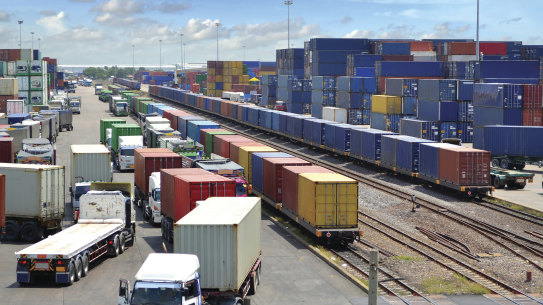
- Freight rail usage and performance: Oct – Dec 2025 (Q3)
- Passenger rail usage: Oct – Dec 2025 (Q3)
- Delay compensation claims: 12 Oct 2025 – 3 Jan 2026 (Periods 8-10)