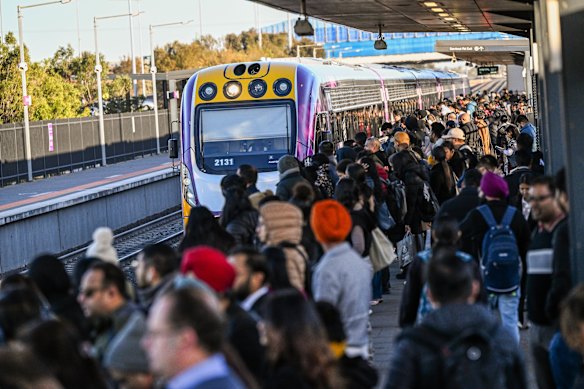
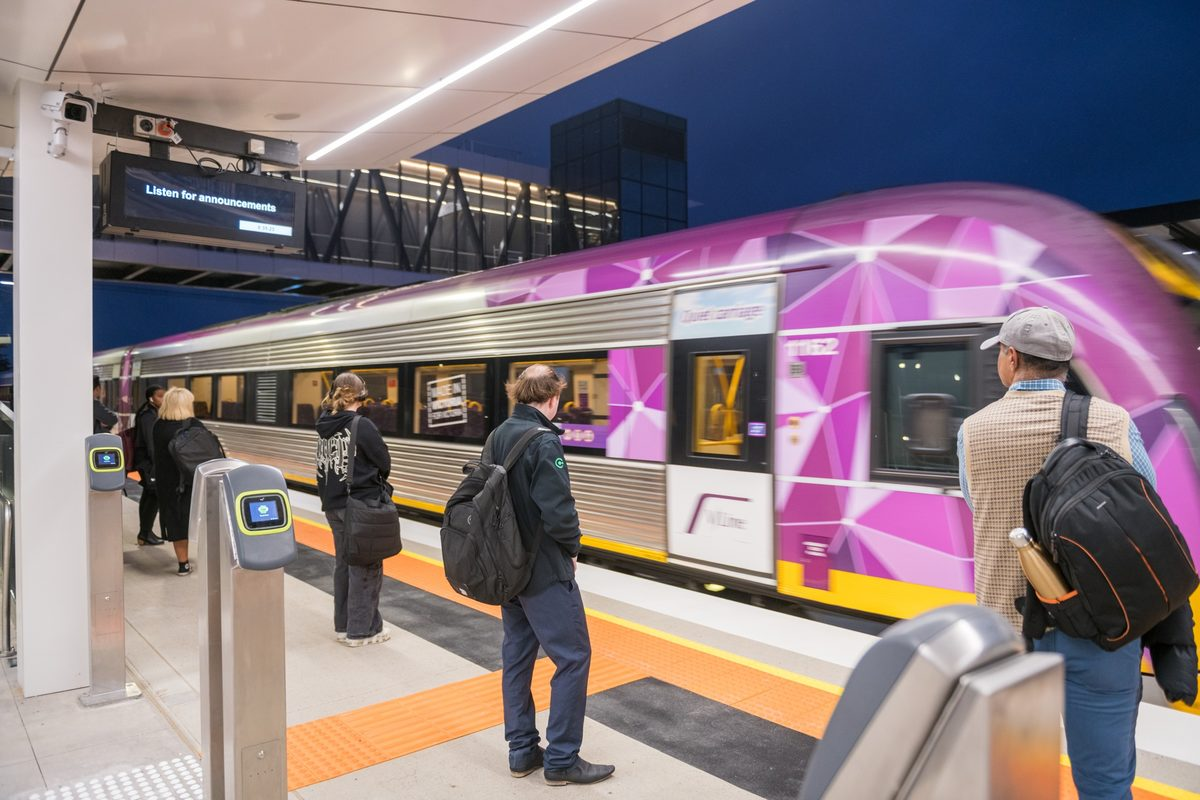
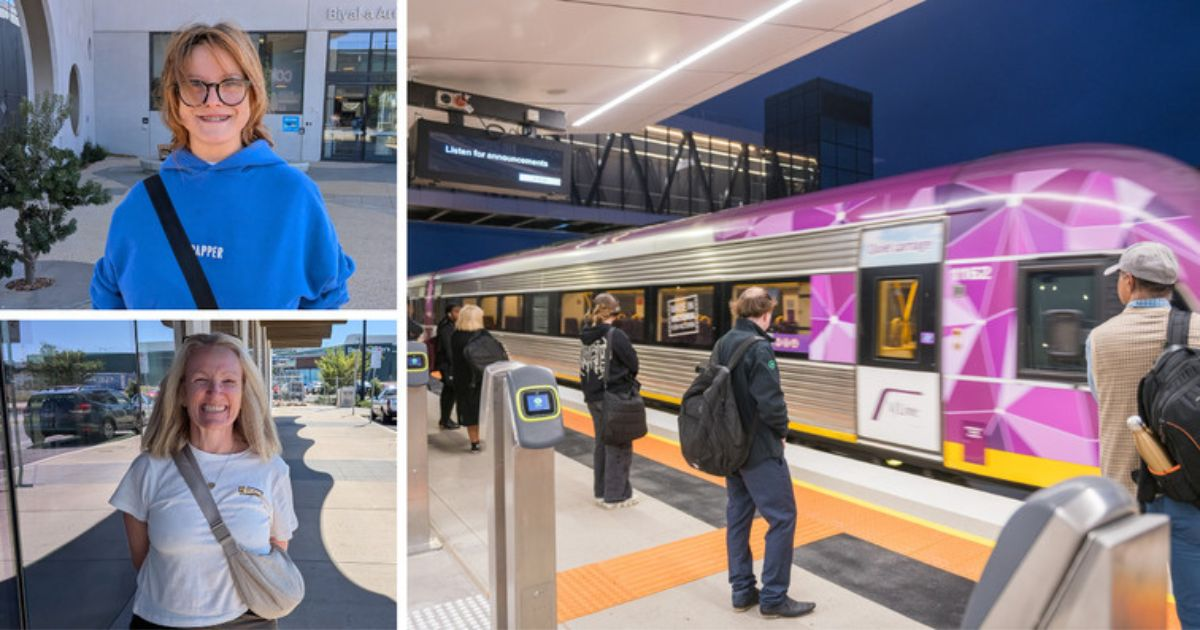
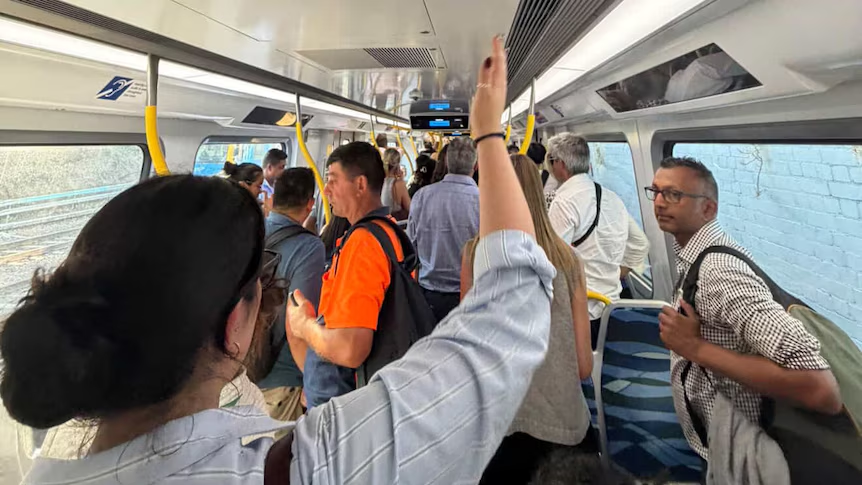
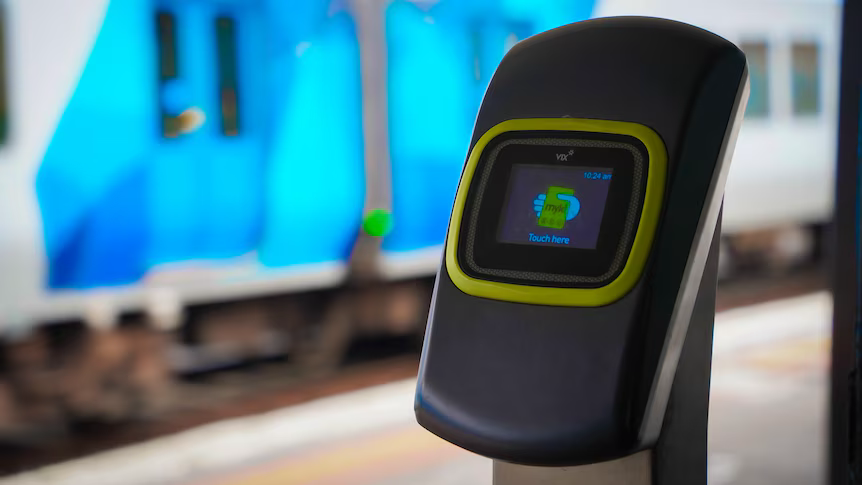
The Motu Move ticketing system has been trialled ahead of a nationwide roll-out, but David Bainbridge-Zafar, a public servant from Dunedin, with infrastructure management experience from both local government and central government in the UK and NZ, argues the billion-dollar cost would be better diverted to a free, nationwide public transport service.
In the world of infrastructure asset management, we are trained to look at “the whole of life” cost. We look at the maintenance, the renewals, and the administrative friction required to keep a system running.When you apply that lens to New Zealand’s public transport network, you don’t see a “subsidised service”— you see a system intentionally hobbled by its own collection costs.
Right now, New Zealand is rolling out “Motu Move”, a national ticketing solution projected to cost $1.3 billion over the next 14 years. It’s an impressive feat of engineering. But as an infrastructure professional, I have to ask: why are we spending over a billion dollars just to build a machine to collect a relatively small amount of money? We are essentially building a $1.3 billion toll booth for a footpath.
The fiscal absurdity of this ticketing system is now being eclipsed by a much more urgent threat: our national energy security. As the war in Iran continues to destabilise global markets, New Zealanders are waking up to petrol prices north of $3.20 per litre.
The talk of “car-free days” — a phrase most of us hoped would stay buried in the 1970s— is back on the table. When the Government starts discussing “demand restraint” measures, it’s a admission that our reliance on imported fossil fuels has become a strategic liability.
In this context, investing in universal public transport isn’t just a social preference; it is the safe choice for New Zealand’s future. Every person we move on a bus is one less person held hostage by the actions in the Middle East.
The safety of this choice is further solidified by the transition to electric bus fleets. Across the country, from Dunedin to Auckland, we are seeing 100% electric fleets come online. These buses don’t run on Iranian oil; they run on New Zealand wind, rain and sun.
By removing the fare barrier, we maximise the utilisation of these zero-emission assets. We move from a fragile, oil-dependent transport model to a resilient, electrified network that is immune to global supply shocks.
Currently, our public transport is already roughly 90% subsidised by taxpayers and ratepayers. We have collectively agreed to pay for the buses, the drivers and the tracks. Yet, we insist on clinging to that final 10% through fares.
In doing so, we create a “participation tax”. This tax creates a massive administrative deadweight loss. Every gate, every card reader, and every “revenue protection” officer represents a cost that does nothing to move a single person from point A to point B. If we removed the fares tomorrow, we could scrap the billion-dollar ticketing system and redirect those massive operational savings directly into more frequent services.
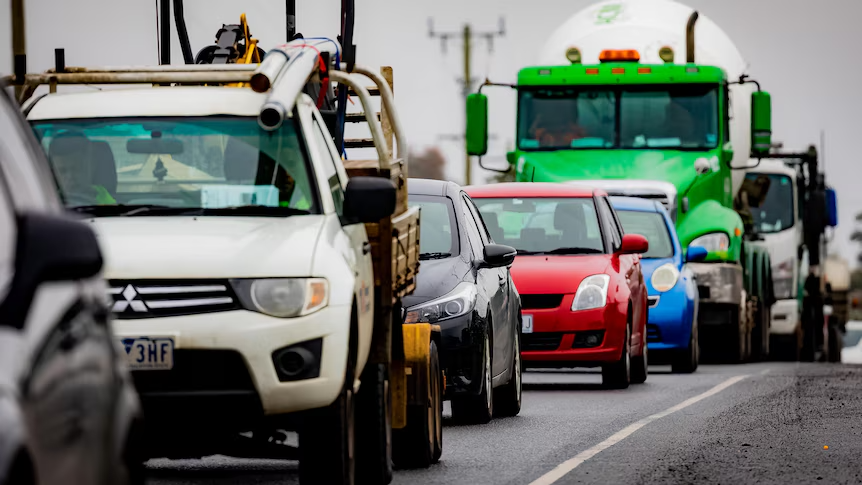
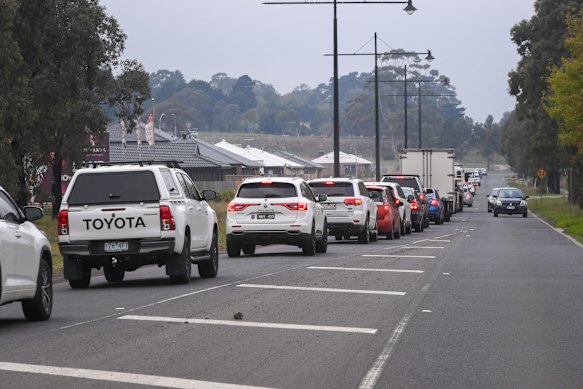
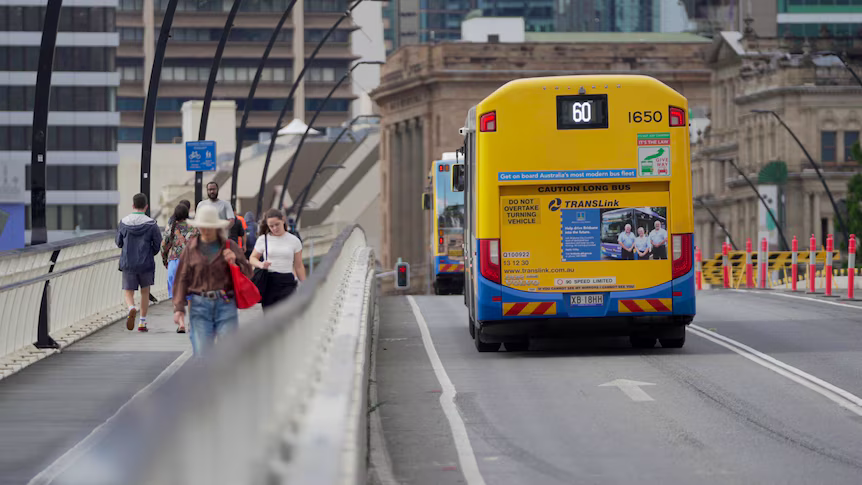
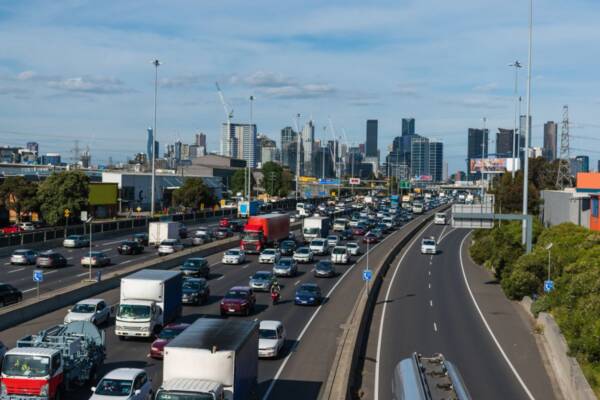
While we argue over bus fares, our economy is bleeding out in traffic. Congestion in Auckland alone costs us $2.6b annually in lost productivity. That is the sound of plumbers sitting in vans and parents missing work to navigate a school run that could have been handled by a free, reliable bus.
We treat roads as a “free” utility at the point of use for a reason: it facilitates movement. Yet, we treat public transport as a commercial product. If we want to unlock our cities, we need to treat buses like orizontal elevators.” You don’t pay to use the elevator in an office block because the owner knows the value is in the movement of people. Our cities are no different.
Our current approach to infrastructure is plagued by political flip-flops. We see projects like the new Dunedin Hospital “paused and reviewed”, wasting millions in delays. We see “Roads of National Significance” prioritised over the pipes beneath them.
We need a more rational, long-term approach to how we move. Moving to a universal, fare-free model removes the politics from the farebox. It creates a stable, high-demand system that forces us to focus on what matters: capacity, frequency, and reliability. It stops being a social service for the poor and becomes a critical utility for the productive.
We owe the next generation infrastructure that actually works — clean drinking water, resilient energy and a transport system that doesn’t require a $1.3 billion “entry fee” just to participate in the economy.
We can keep pouring billions into more asphalt and complex ticketing software, or we can unlock the full potential of the assets we already own. Universal free public transport isn’t just about being kind. In a world of $3.20 petrol and global instability, it’s the only logical way to keep New Zealand moving.
Published in the [Waikato Times 19 March 2026](https://www.waikatotimes.co.nz/nz-news/360969787/oil-market-teeters-free-public-transport-would-be-fiscal-masterstroke) \
\
For further reading concerning the points raised in this opinion –
* [Future of passenger rail in New Zealand is regional rail](https://publictransportforum.nz/articles/article/the-future-of-passenger-rail-in-new-zealand-is-regional-rail-07-07-2025/)
* [Time for a national public transport network](https://www.publictransportforum.nz/articles/article/national-public-transport-network-07-06-2022)