England’s eastern counties need a viable mixed traffic railway to foster economic growth. That was the message from Transport East’s “Future of Rail” day conference event in late November. Stakeholders and senior partners came together in Colchester to chart the future of the region’s rail network. They sought to ensure that the network delivers for businesses and passengers, and helps the East to thrive.
The event was supported the Rail Freight Group, and passenger operators Greater Anglia and c2c – both of which are now in public ownership as part of the UK government’s programme of nationalising the passenger network. The Future of Rail event brought together rail industry directors, local politicians, and transport partners from across Norfolk, Suffolk, and Essex, as well as representatives from national bodies.
Depth of expertise and ambition
The event focused on how the region can collaborate to shape a rail network fit for the future. Delegates, including senior elected representatives, discussed what opportunities public ownership could present for passenger operations, and how better integration for passenger and freight with other transport modes could provide service enhancements.

“The East has a clear, united voice on the importance of rail,” said Will Quince, Chair of Transport East. “This event demonstrated the depth of expertise and ambition within our partnership. The insight we’ve gathered will be shared with the incoming mayors for Norfolk and Suffolk, and Greater Essex, so they are ready, from day one, to champion investment and improvements that deliver for the East.”
Ports access and guess which one dominates
The region has a diverse demographic, spanning central London commuter routes to the outlying rural communities of Norfolk. However, despite being characterised by its passenger operations profile, Transport East is acutely aware of its freight potential. The region has three international airports – all rail-connected – and thirteen ports, dominated by the globally significant intermodal trio of Tilbury, London Gateway (currently expanding its rail freight operations) and Felixstowe. The latter is, of course, the dominant rail question on the agenda.
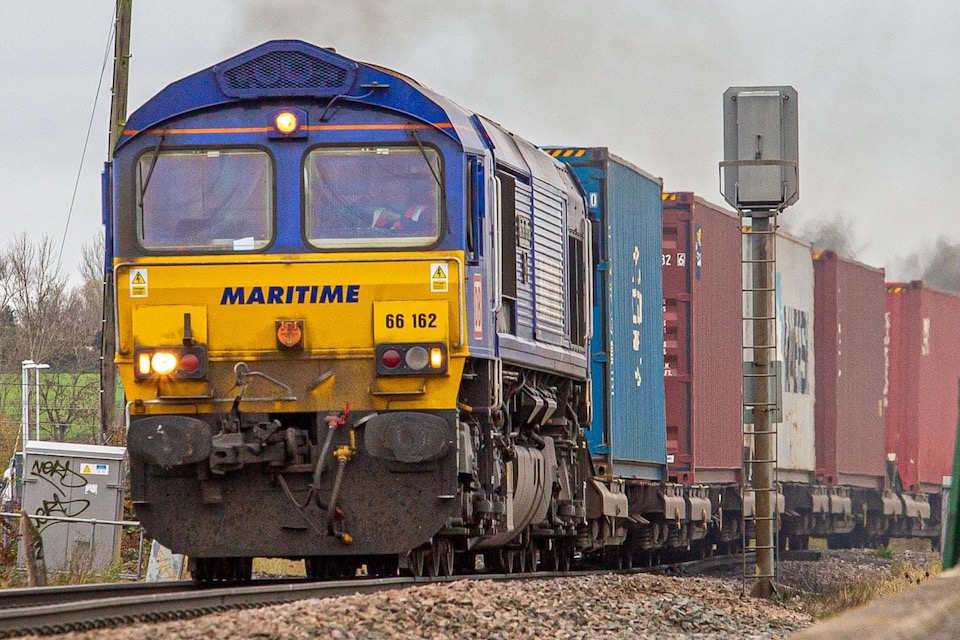
“Upgrading Ely Rail Junction will benefit our international gateways,” say Transport East. “The Port of Felixstowe is Britain’s biggest and busiest container port. It plays a pivotal role in keeping the UK’s trade moving and delivering real benefits to customers, the community and the industry. However, a mixture of single track sections, restricted speeds, signalling limitations and level crossings in the Ely area act as a barrier to meeting increased demand for freight paths on the routes to and from the UK’s industrial heartlands.”
Still lobbying for EACE
The long-planned but short-changed Ely Area Capacity Enhancement programme (EACE), outlined by Network Rail, remains a critical constraint to rail freight development. However, its implementation seems further off than the winding up of Network Rail (into the new nationalised body, “Great British Railways”). Transport East, England’s Economic Heartland and other partners have continuously made the case for upgrading the rail infrastructure around Ely.

“The upgrade will allow more capacity for rail freight, removing HGVs and carbon emissions from the road,” says their stated case. “It will also support the development of Freeport East, one of eight new freeports created in England. The Ely Upgrade will enable the freeport to take advantage of the new opportunities enabled by Brexit, support the new trade deals being struck with overseas countries and help drive innovation.”
Rail is essential to regional growth
The national infrastructure agency, Network Rail, will – eventually – be superseded by Great British Railways. However, it remains the responsible body for the railway in Great Britain. “We were delighted to join Transport East’s event, which brought together partners committed to improving rail for our region,” said Jamie Burles, Network Rail’s Deputy Managing Director for the Eastern Region. “Collaboration is key on our journey to Great British Railways, and we will continue working closely as a route and region to deliver a safe, reliable, and high-performing railway that best serves our communities.”
“As one of the fastest-growing regions in the UK, the East is central to our nation’s future success – driving innovation, clean energy, and trade,” said Pam Cox, the Member of Parliament for Colchester, who addressed the conference. “Continued investment in our rail network is essential to grow these ambitions, support new homes and communities, and strengthen our links to ports, airports and key employment hubs. By working together across the region, we can make sure rail continues to be a driver of opportunity and growth for future generations.”