Birmingham New Street celebrated the 10th anniversary of its £750 million redevelopment this weekend which helped transform it into a modern and flagship railway station.
The nationally important station, the busiest outside of London, has welcomed more than 400 million passengers and seen over 3.5 million trains pass through it since it reopened on 20 September 2015.
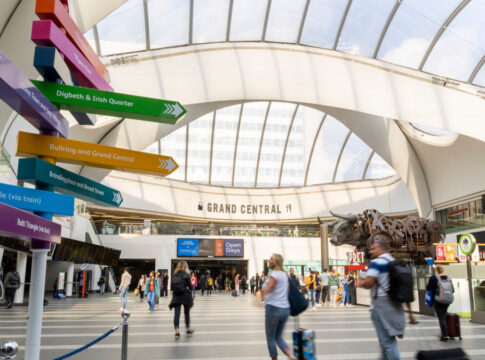
For the last decade, passengers and shoppers have benefitted from an ever-evolving range of new facilities and retail options, an abundance of natural light from the huge atrium, brighter and better platforms, and direct access to the Grand Central shopping centre above, which was redeveloped at the same time.
The transformed station also ensures direct easy access from trains to all corners of the city centre for shoppers, workers, tourists and visitors, helping to act as a catalyst for the huge amount of regeneration and redevelopment across the city centre.
The last 10 years have not only offered better facilities and experiences for passengers and benefits for the city and the West Midlands region, but it has also seen the station become an important community, art and cultural hub at the heart of the city centre.
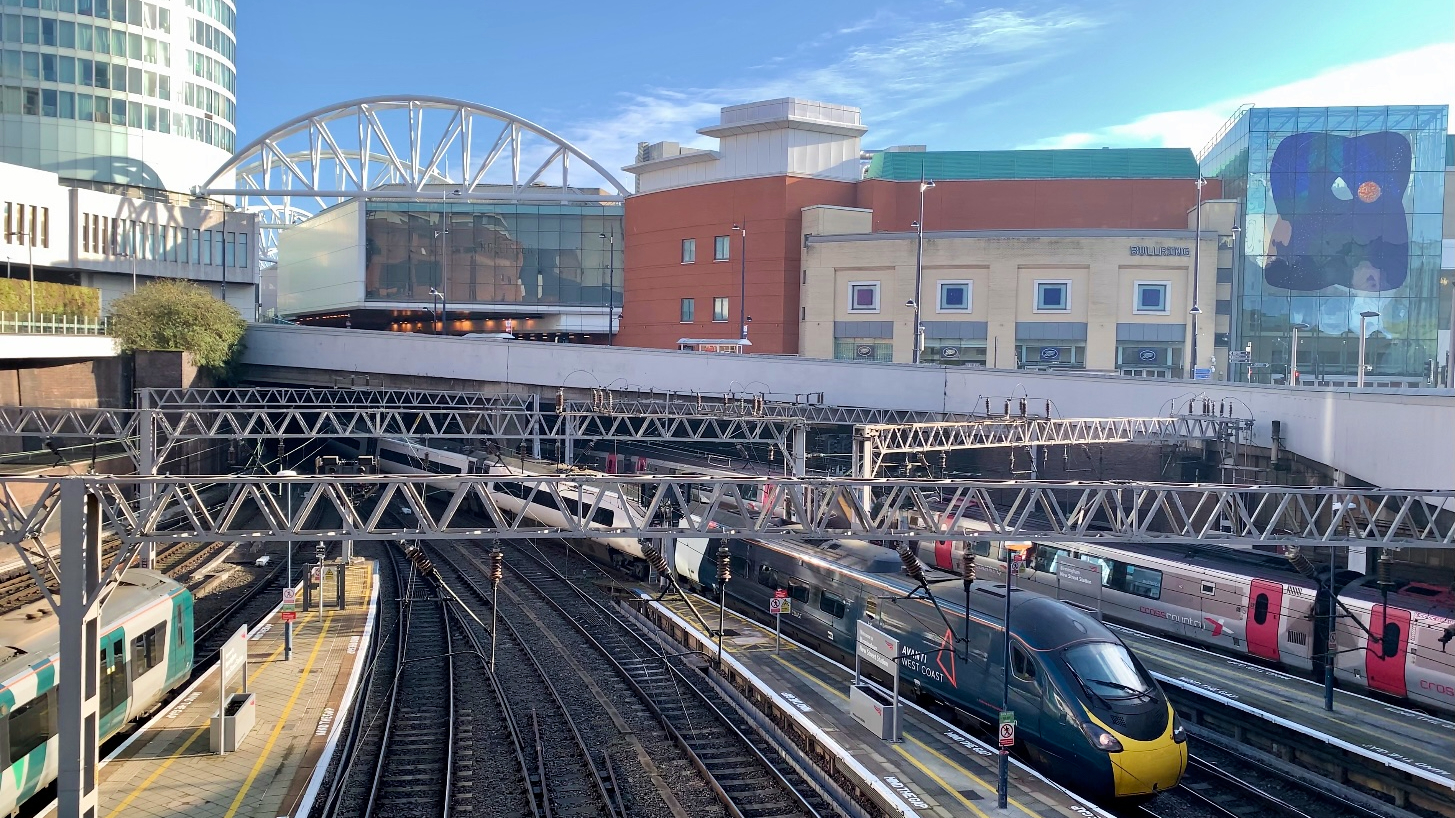
Network Rail’s Central route, which manages Birmingham New Street, is the heart of Britain’s railway with a focus on supporting the communities the railway serves, and the station plays an important role in this.
Some of the community, art, and cultural highlights since 2015 include:
- A stunning ‘Face of Suffrage’ art installation to mark 100 years since women were first given the right to vote, celebrating women from across the West Midlands.
- Hosting regular sleep outs to raise awareness and support homeless charities for those in need
- Staging regular performances by the internationally-acclaimed City of Birmingham Symphony Orchestra
- Welcoming two million people who used the station over 12 days during the Birmingham Commonwealth Games in 2022.
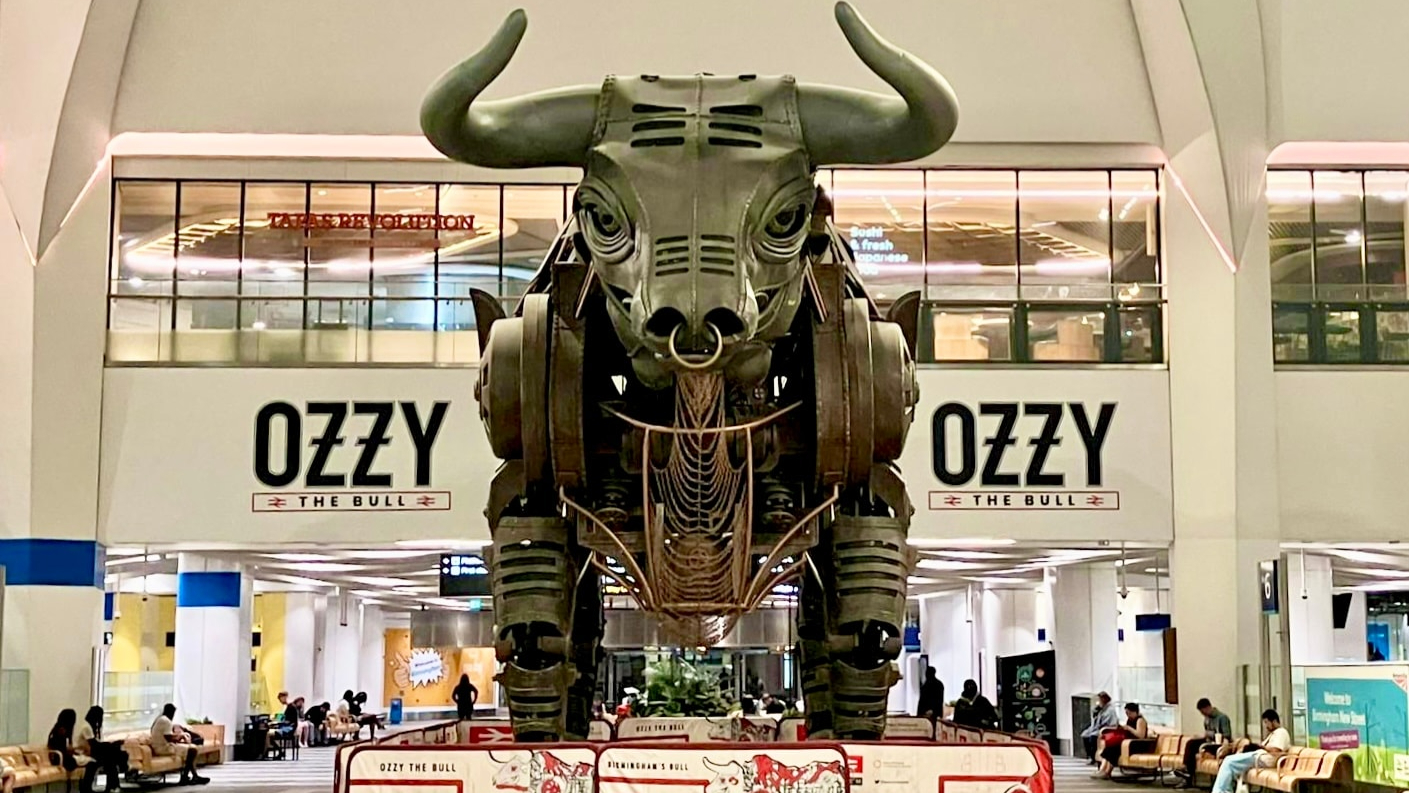
- Becoming the permanent home to Ozzy the bull, the iconic figure from the Commonwealth Games opening ceremony, who was named after the legendary Black Sabbath frontman, Ozzy Osbourne, after a hugely popular public vote.
- Being a vital transport hub for key workers during the Covid-19 pandemic
Denise Wetton, Network Rail’s Central route director, said: “The last decade has been amazing for Birmingham New Street, passengers and the wider city and region and we have helped get millions of people to and from their destinations safely and reliably.
“There have also been so many memorable events and performances that we have supported and enabled, a highlight being the 2022 Birmingham Commonwealth Games which was so positive and inspirational for the city. But there’s also been more serious times, when thousands of key workers relied on the railway to be able to continue to help everyone during the Covid-19 pandemic.
“Whatever the challenge, good or bad, the station and its amazing team have always stepped up to make sure passengers and everyone else who uses it got the service, help and support they needed.
“We continue to improve the station and there are many exciting things in the future that we will play a key part in, including welcoming the Invictus Games to Birmingham in 2027 and the UEFA Euros in 2028. It’s extra special to be marking this 10 year anniversary during Railway 200 which is all about celebrating the past, present, and the future of rail – which Birmingham New Street most certainly is.”
Mal Drury-Rose, executive director of the West Midlands Rail Executive, said: “Birmingham New Street was transformed in 2015 and 10 years later it is still a station to be proud of for the West Midlands.
“It is an important local, regional, and national station which, complemented by the recent investment in new, modern trains across the region, provides passengers with a positive experience as they travel in and out of Birmingham city centre.
“With direct links to the West Midlands Metro and the region’s extensive bus network, it is a key part in an important transport hub helping to provide an integrated and connected transport network for local people.”
Image credit: Network Rail