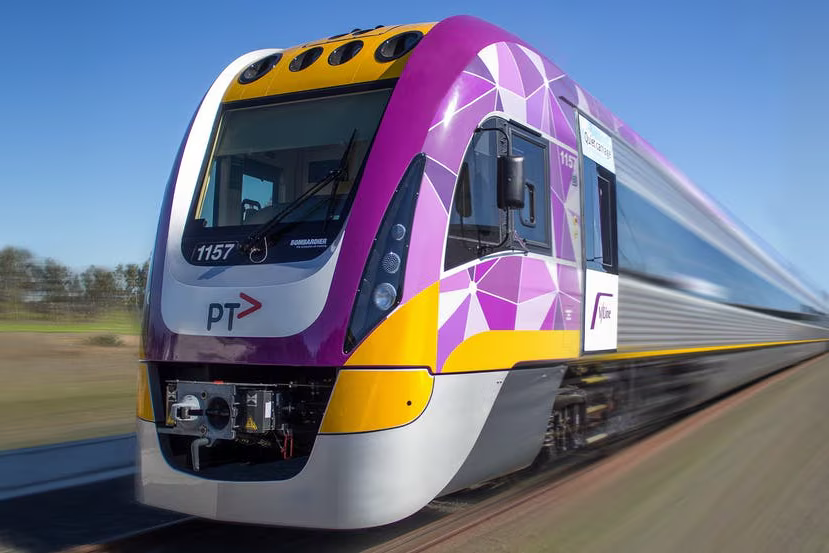
For more than 18 months, south-west Victorians were handed a steady stream of bureaucratic lines and excuses – short platforms and strict safety regulations – to justify why they were crammed into three-carriage VLocity trains on the Warrnambool line.
The decision to introduce six-car VLocity trains on sections of the Warrnambool line arrived amid intense political posturing during a state election year. For years, commuters along the lengthy south-westerly corridor battled chronic overcrowding, constrained capacity, and the limitations of short three-car sets following the transition away from the popular locomotive-hauled carriages.
When regional transport capacity became a focal point of the political landscape, both local advocacy groups like the South West Victoria Alliance and opposition figures ramped up pressure on the government. The Coalition targeted the region’s transport woes by pledging an immediate reshuffle of rolling stock. Their strategy involved pulling excess three-car VLocity sets from the metropolitan and western suburban pools to instantly double capacity on key peak Warrnambool services, circumventing the lengthy delays usually associated with purchasing new trains.
This tactical focus on regional rail highlights how critical commuter corridors become leverage points during election cycles. For regional Victorians living beyond the metropolitan fringe, decades of frustration over standing room only, missed connections, and inadequate seating make public transport a potent ballot-box issue. The promise of six-car formations addresses immediate safety and comfort concerns, ensuring that passengers from growth hubs along the line finally secure reliable access to the capital.
Ultimately, whether these capacity boosts are driven by grassroots community campaigning or electoral calculus, they underscore a broader regional renaissance. As regional populations boom, upgrading lifeline corridors like the Warrnambool line from an afterthought to a high-capacity priority is no longer just good policy—it is a political necessity.
Yet, with a state election looming and new Premier Ben Carroll desperate to change the government’s perception, those impossible safety hurdles have seemingly dissolved overnight.