London Charing Cross and Waterloo East stations will close for 22 days this summer to allow the South Eastern Railway to deliver a £20 million programme of essential railway upgrades.
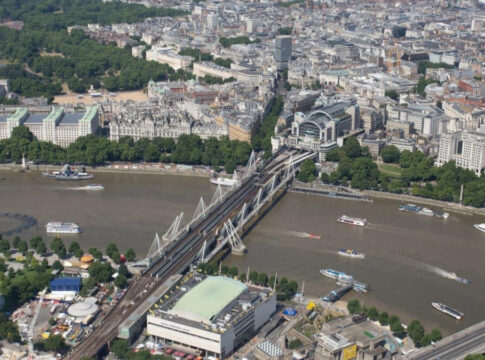
The closure will run from Sunday 26 July to Sunday 16 August 2026, plus some weekends either side, and will allow railway engineers to replace nearly two kilometres of 36-year-old track, rebuild sections of platform at Charing Cross, upgrade track drainage systems and carry out structural repairs to both the Waterloo East to London Waterloo pedestrian link bridge and the Hungerford Bridge, which takes the railway over the Thames to Charing Cross.
The investment will modernise the infrastructure on one of the most important sections of the South Eastern Railway network, helping to deliver an even safer and more reliable railway.
During the station closures, no trains will call at London Charing Cross or Waterloo East. Southeastern services that normally run into Charing Cross will be diverted to:
- London Victoria.
- London Cannon Street.
- London Blackfriars.
- Some services will terminate at London Bridge.
Customers can use their tickets on alternative rail routes, London Underground and London Buses at no extra cost. Those who are able to are encouraged to cycle or walk to complete shorter journeys.
Scott Brightwell, train services director at South Eastern Railway, said: “The £20 million investment we are delivering will see 1990s track and platforms upgraded to make journeys safer and more reliable, and Victorian era structures strengthened to remain fit for the future.
“By consolidating the work into 22‑day closure, supported by preparation and follow‑up weekends, we can complete the work more quickly and with less disruption overall than the alternative options of 60 weekend closures or four to five nine-day closures.
“We have planned the closure for the summer, when passenger numbers are around 20% lower and schools are closed, to help manage the impact on customers.
“We’re asking passengers to plan ahead and check before they travel”.
Image credit: Network Rail