British planning legislation has always been seen as a significant barrier to development. Now, the UK industry representative body, Rail Freight Group (RFG), has broadly supported the UK government’s proposed overhaul of the National Planning Policy Framework. RFG says the draft document addresses several long-standing barriers to freight terminal development and protection. However, RFG has also warned on land and safeguarding principles.
In its response to the Ministry of Housing, Communities and Local Government consultation, RFG said planning policy is “essential” to securing new rail freight sites and safeguarding existing ones. It added that the government’s goal of moving freight by rail, aiming for 75 per cent growth by 2050, will depend on terminals being located in optimal locations, with clear planning guidance. RFG added that the draft framework reflects concerns raised in its response to the previous Department for Transport Call for Evidence, which highlighted difficulties members face in securing planning permission.
Strategic planning and economic alignment
Later this week, another terminal (Northampton) will officially open. Last week, work progressed on Radlett at St Albans. Both facilities have been years in the making, amid almost interminable objection processes. That may be a scenario that’s consigned to history if the new regime is passed into law. RFG welcomed the draft framework’s stronger emphasis on aligning planning with national economic strategies. The group said increased attention to relevant strategies, including industrial strategy, would help rail freight be considered in commercial development planning. It noted that rail freight is “a key area of economic growth and therefore must be regarded in commercial development plans.”
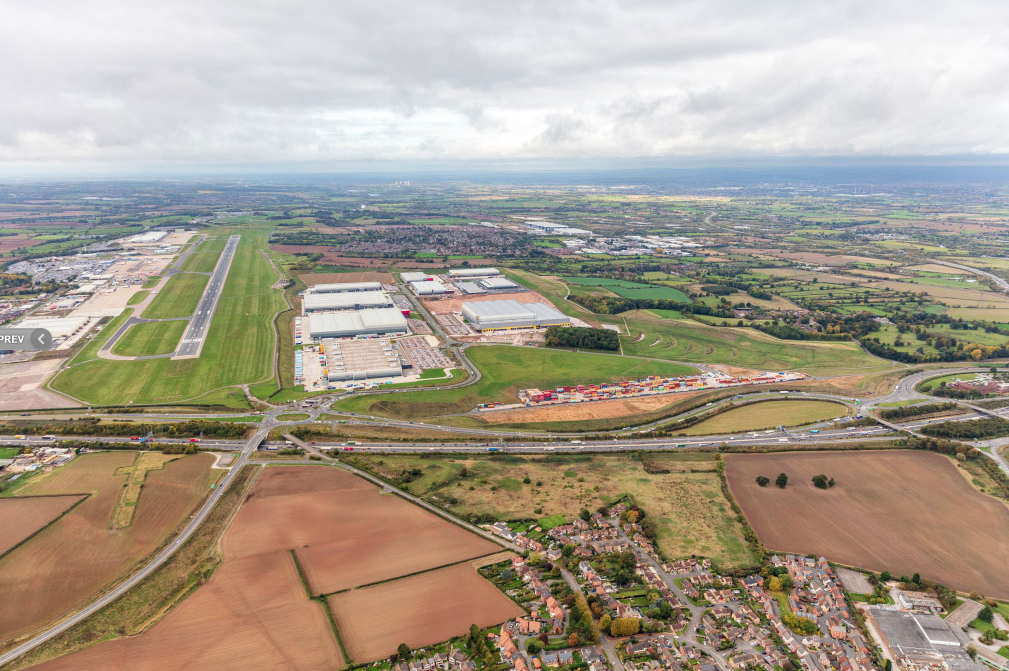
The group also supported policy proposals aimed at ensuring business land and premises meet demand. RFG said that prioritising commercial development proposals’ economic benefits “such that it reflects the Industrial Strategy and its support for freight and logistics advancement is critical”. The comment reinforces the view that rail freight and logistics should be embedded early in strategic planning decisions rather than being treated as secondary considerations.
Freight policy and decision-making clarity
RFG said it strongly supports the draft NPPF’s decision-making policies for freight and logistics uses, which aim to promote effective and efficient transportation. The group noted that accessible transport links, consideration of environmental and community impacts, and adequate vehicle parking are “key factors in ensuring that future freight and logistics sites contribute to effective and efficient goods transportation”.
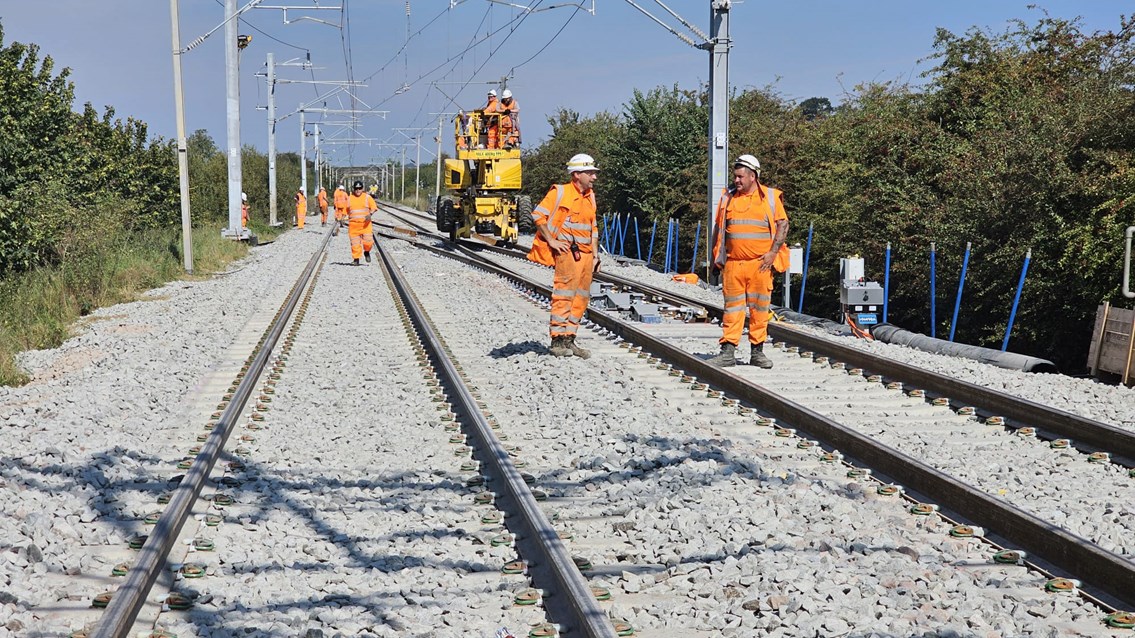
It also welcomed the clarification of what the government calls the agent of change principle, which protects existing terminals where new development occurs nearby. RFG said the proposed policy “improves clarity on how decision-makers will apply the agent of change principle, and we welcome its protection of existing terminals when adjacent development occurs”. The principle has long been a concern for operators seeking to prevent incompatible development from constraining rail freight operations.
Land supply and minerals concerns remain
Despite welcoming the draft NPPF, RFG highlighted ongoing risks around land allocation and safeguarding. The group stressed that rail freight terminals must be identified early in local plans to ensure sites are protected from other development pressures. Without early allocation, opportunities for new rail-connected sites could be lost, particularly in urban areas where land is in high demand.
The group also raised concerns about aggregates and industrial minerals, a significant market for rail freight. RFG echoed producers’ worries regarding the removal of recognition of essentiality and the need for “a steady and adequate supply to support economic growth.” It warned that planning policies must continue to support these freight-intensive sectors to maintain national infrastructure and economic resilience. RFG’s response echoes the sector’s view that the draft NPPF represents an opportunity to strengthen planning for rail freight, but only if decision-makers recognise its strategic importance, safeguard land, and maintain clarity in policy application.