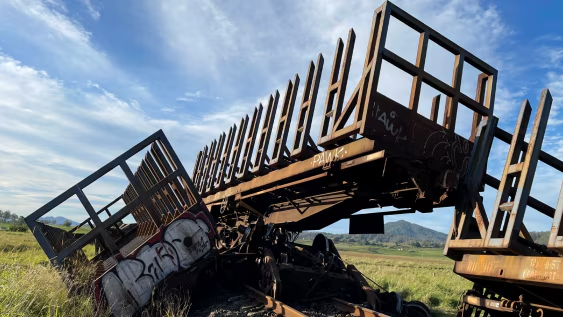
An investigation into the derailment of a freight train in northern New South Wales, which closed a major rail line for more than five days, has found it happened on a section of track with a history of “geometry defects”.
A Pacific National freight train with three locomotives and 56 wagons was travelling from Brisbane to Sydney on May 31, 2022, when an empty wagon’s undercarriage, or bogie, was derailed near Kyogle.
The bogie dragged along the track for 2.3 kilometres before 11 of the wagons derailed, and an automatic emergency brake was activated.
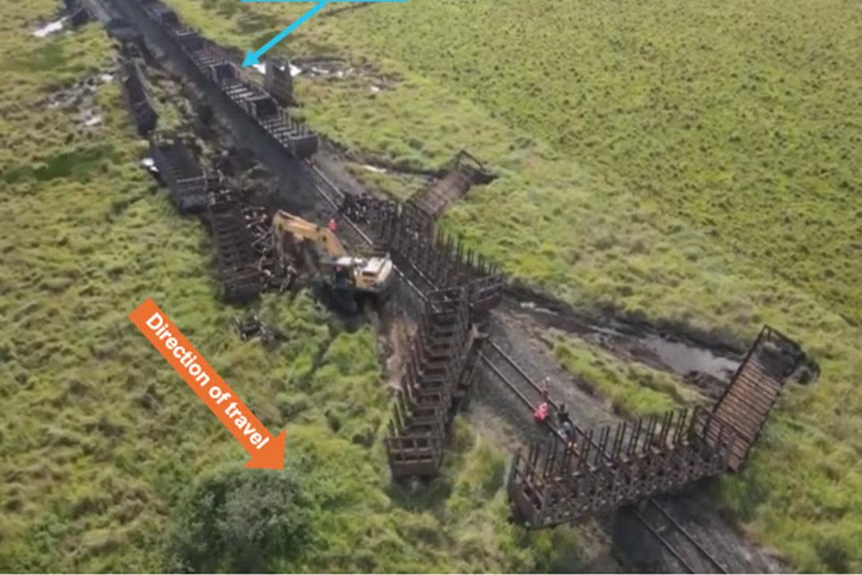
The Office of Transport Safety Investigations (OTSI), which investigates rail occurrences in NSW, found there were no injuries, but there was significant damage to wagons and the track.
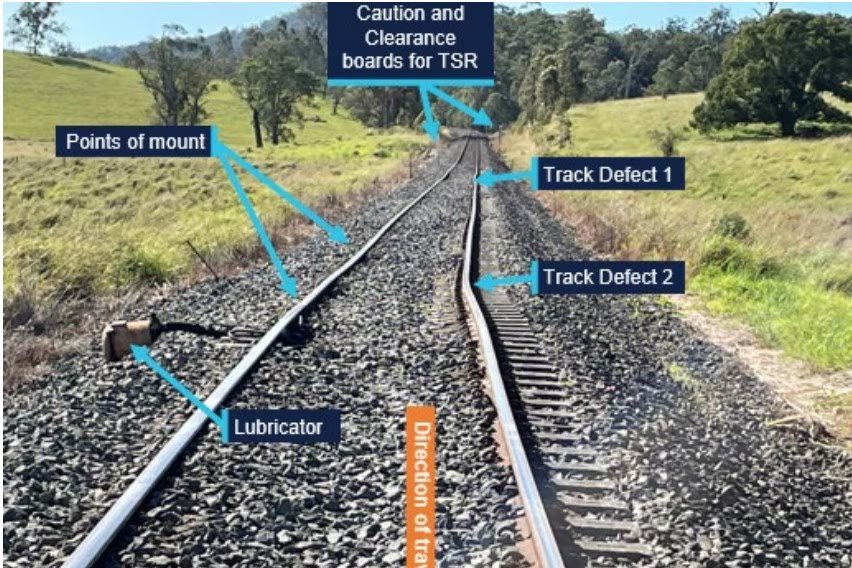
“There was a temporary speed restriction in place at the location, which the train crew followed, and a partial repair had been completed four days prior to the derailment,” OTSI chief investigator Jim Modrouvanos said in his report.
It found the driver had reduced his speed from 70 kilometres an hour to between 16 and 20km/h in response to the warning.
“The track was only checked during routine inspections and was not inspected any more closely than usual.
“We found the problem had probably been getting worse since the last time it was inspected.”
The OTSI investigation found action taken to manage the defect was largely informal.
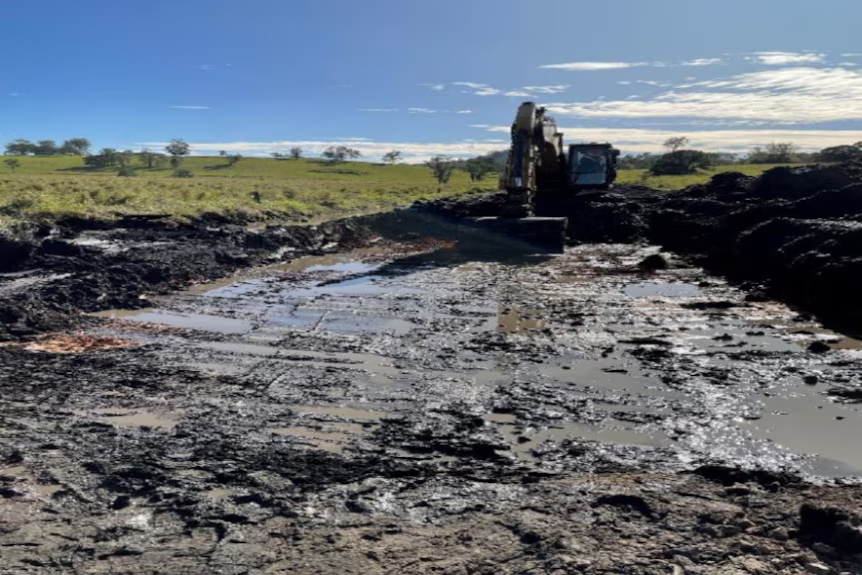
The crash closed the line for more than five days as repair work was done.
The track is managed and maintained by the Australian Rail Track Corporation (ARTC), which is responsible for more than 9,600km of rail across five states (South Australia, Victoria, NSW, Queensland and Western Australia).
“ARTC did not use its asset management system or the measurement records taken before and after the temporary repairs to inform management that major works were needed,”
Mr Modrouvanos said.
“This data would have allowed ARTC to make informed decisions to undertake major works, which could have provided for a longer-term repair.”
Changes to asset management
The report noted that following the accident, ARTC implemented a new centralised system to analyse asset condition data, imagery and maintenance records across its network.
“Asset management procedures and standards within a safety management system are there to ensure assets are managed effectively and safely,” Mr Modrouvanos said.