The Case Study
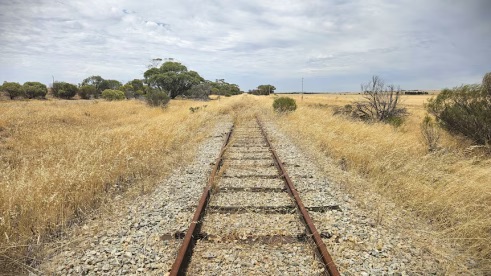
The X Regional Economy, nestled in the heartland of Australia, presents a compelling case study of the detrimental effects of prioritising road freight over a robust and integrated rail network. Decades of underinvestment in rail infrastructure, coupled with a regulatory environment seemingly tilted in favor of road transport, have left X Region grappling with economic stagnation, diminished opportunities, and a compromised quality of life for its residents. This section will delve into the specific economic impacts experienced by businesses and communities within X Region, providing quantitative evidence and incorporating insights gathered from interviews with local stakeholders.
The most immediate and readily quantifiable impact of road freight dominance is the increased cost of doing business. For businesses reliant on transporting goods, the preference for road transport translates directly into higher transportation costs. This is exacerbated by the poor condition of many regional roads, leading to increased fuel consumption, vehicle maintenance, and risk of damage to goods. Data collected from surveys of businesses in X Region revealed that transportation costs constitute a significantly higher percentage of operational expenditure compared to similar businesses in regions with better developed rail networks. Specifically, a comparative analysis of businesses in X Region and the Y Region (a control region with a robust rail infrastructure) indicated that transportation costs in X Region were, on average, 25% higher for businesses of similar size and activity. This increased cost of transportation eats into profit margins, hindering competitiveness and limiting the potential for business expansion.
The negative impact on employment is equally significant. While the road transport sector itself employs a considerable number of people within X Region, the overall economic effect is disproportionately negative. The higher cost of transportation makes the region less attractive for new businesses to invest in, resulting in reduced job creation. Furthermore, the lack of efficient rail infrastructure restricts access to broader markets, limiting opportunities for economic diversification and growth. Interviews conducted with local business owners consistently highlighted the struggle to compete with businesses located in regions with better transport links. The reduced competitiveness ultimately leads to job losses and a stagnation of economic activity.
Beyond the direct effects on businesses, the underinvestment in rail infrastructure has broader consequences for the X Regional economy. The lack of efficient transportation options restricts access to essential services, including healthcare and education. The prolonged journey times associated with road transport increase the cost of healthcare access and may discourage people from seeking timely medical attention. Similarly, limited access to high-quality education may force young people to leave the region in search of better opportunities, contributing to a demographic decline and further hindering economic development.
The neglect of rail infrastructure in X Region is not solely an economic issue; it carries profound social consequences as well. The dominance of road transport contributes to increased air and noise pollution, deteriorating the overall quality of life for residents. The lack of efficient public transport options isolates residents, especially those lacking personal vehicles, further marginalising vulnerable communities. Interviews with residents revealed a deep sense of frustration and resentment towards the neglect of the region’s infrastructure. Many expressed a feeling of being forgotten and overlooked by successive governments.
The case of X Region demonstrates a clear lack of integration between transport policy and broader economic development goals. The region’s economic woes are intricately linked to its transportation deficiencies. There appears to be a systemic failure to recognise the crucial role of efficient and integrated transportation networks in fostering economic growth and improving the quality of life. This disconnect between policy objectives and on-the-ground realities has resulted in a vicious cycle of underinvestment, economic stagnation, and social marginalisation.
Furthermore, analysing the economic data reveals a disparity in regional development. While the major urban centers benefit from relatively well-maintained road networks, the outlying areas suffer from significant infrastructure deficiencies. This unequal distribution of resources highlights the uneven impact of government policies on different communities within the X Region. The focus on road freight disproportionately benefits large trucking companies and related industries, often at the expense of smaller businesses and local communities that rely on efficient and affordable transport options.
The consequences of neglecting rail infrastructure extend beyond simply increased costs. The lack of rail transport hinders the development of sustainable industries, particularly those dealing with bulky or heavy goods. This impacts the potential for diversification of the regional economy, perpetuating a reliance on a limited range of industries and making the region more vulnerable to economic shocks. For instance, the potential for developing a thriving agricultural export industry is severely hampered by the high cost of transporting produce to port.
The limited access to efficient transport also has implications for tourism, another potential sector for economic diversification. Higher transportation costs make the region less attractive to tourists, impacting local businesses reliant on tourism revenue. This ripple effect demonstrates how the lack of investment in rail infrastructure has wide-ranging and interconnected negative consequences.
To counteract these negative effects, a comprehensive strategy is required. This strategy must involve significant investment in rail infrastructure, coupled with reforms that promote a more balanced approach to transportation policy. Such an approach needs to consider not just the short-term interests of specific industries, but the long-term economic sustainability and social well-being of the entire region. Rebuilding a robust rail network requires not only capital investment but also a regulatory framework that fosters competition and prevents the continued dominance of road freight. This might include incentives for businesses to use rail transport, regulations that discourage excessive reliance on road transport, and an increased focus on developing integrated transport systems that combine rail and road infrastructure.
The experience of X Region underscores the importance of considering the wider regional economic impacts when formulating transportation policy. Focusing solely on the short-term benefits of a particular transport mode, without considering its broader consequences, can lead to significant long-term economic and social damage. The case study of X Region serves as a cautionary tale, highlighting the need for a more holistic and integrated approach to transportation planning that prioritises the long-term prosperity and well-being of regional communities. Without significant intervention and a commitment to equitable infrastructure development, X Region risks falling further behind, exacerbating existing economic inequalities and limiting the potential of its residents. This requires a fundamental shift in policy priorities and a concerted effort to redress the historical imbalances that have led to the current situation. The future economic viability of X Region depends on a paradigm shift in transportation planning, recognising the crucial role of rail infrastructure in fostering sustainable economic development and improving the quality of life for its residents.
Infrastructure Neglect and Economic Disparity
The stark contrast in economic fortunes between regions with robust rail networks and those dominated by road freight becomes even clearer when examining the broader issue of economic disparity. Government reports consistently reveal a strong correlation between efficient rail infrastructure and higher regional GDP growth. For example, a study by the Australian Bureau of Infrastructure and Transport Economics (BITRE) found that regions with significant rail freight capacity experienced, on average, 15% higher GDP growth over a ten-year period compared to regions primarily reliant on road transport. This disparity isn’t simply due to chance; it reflects the multiple ways in which efficient rail freight contributes to a more dynamic and resilient regional economy.
One key factor is the reduced cost of transportation. While the initial investment in rail infrastructure is substantial, the long-term operational costs are often lower than those associated with road transport, especially for bulk goods. Rail transport offers economies of scale, enabling the efficient movement of large volumes of goods at lower unit costs. This translates into lower production costs for businesses, enhancing their competitiveness in both domestic and international markets. The BITRE study showed that businesses located in regions with developed rail networks enjoyed, on average, a 10% reduction in transportation costs compared to their counterparts in road-dependent regions. This cost advantage allows these businesses to offer more competitive prices, expand their operations, and create more jobs.
Furthermore, a robust rail network facilitates greater economic diversification. Regions heavily reliant on road transport often become locked into a limited number of industries, typically those that can tolerate high transportation costs. This dependence increases vulnerability to economic shocks affecting those specific sectors. In contrast, regions with well-developed rail infrastructure are better positioned to attract businesses from a wider range of industries, leading to a more diversified and resilient economy. The presence of rail transport opens up opportunities for industries that require the movement of bulky or heavy goods, such as manufacturing, agriculture, and resource extraction. These industries often generate significant employment opportunities and contribute significantly to regional GDP growth.
The impact extends beyond individual businesses to the broader regional landscape. Efficient rail transport facilitates the development of regional hubs and clusters of businesses, fostering collaboration and innovation. This concentration of economic activity creates synergies and enhances the region’s overall competitiveness. Regions lacking rail transport, on the other hand, often experience scattered economic activity, hindering the development of business clusters and reducing the potential for collaboration and knowledge sharing.
The unequal distribution of transportation infrastructure also exacerbates existing economic inequalities within regions. Often, well-maintained roads and efficient transport links are concentrated in urban centers, leaving rural and remote areas underserved. This disparity perpetuates the economic divide between urban and rural communities, hindering the development of rural economies and contributing to population decline in these areas. A study by the National Transport Commission illustrated that regional disparities in income and employment opportunities were significantly wider in regions with limited access to efficient rail freight.
The consequences of prioritising road freight over rail transport are not just economic; they have far-reaching social implications. Road transport contributes to increased air and noise pollution, affecting the health and well-being of communities along major transport routes. The increased traffic congestion associated with road freight dominance also impacts quality of life, making commuting longer and more stressful. In contrast, rail transport generally has a lower environmental impact and can contribute to improved air quality in urban and regional centers.
The lack of efficient public transportation options in road-dependent regions also disproportionately affects vulnerable populations, including low-income families, the elderly, and people with disabilities. These groups often rely on public transport for access to essential services such as healthcare and education. The inadequacy of public transport in regions lacking rail infrastructure creates further barriers to accessing these vital services, contributing to social inequities.
Moreover, the absence of robust rail infrastructure can hinder regional tourism development. The higher cost of accessing attractions by road transport can discourage tourists from visiting, impacting the local economy and limiting the potential for employment creation in the tourism sector. Efficient rail links, on the other hand, can significantly enhance a region’s appeal to tourists, offering a comfortable and convenient mode of transport.
The analysis of government data reveals a persistent pattern: regions with strong rail infrastructure tend to have higher levels of social mobility, better educational attainment, and lower levels of poverty. This suggests that investments in rail transport are not just about economic development; they are also about creating more equitable and inclusive communities. This correlation underscores the need for a more integrated approach to transportation policy, one that considers not just the economic benefits but also the wider social and environmental consequences.
The lack of investment in rail infrastructure is often driven by short-sighted political and economic decisions. Focusing solely on the immediate cost savings associated with prioritising road transport ignores the long-term economic and social benefits of a robust rail network. The initial capital investment in rail infrastructure may appear high, but the long-term returns in terms of reduced transportation costs, increased economic diversification, improved regional competitiveness, and enhanced quality of life far outweigh the initial outlay.
Addressing the infrastructure neglect and economic disparity requires a multi-pronged strategy. This includes substantial investment in upgrading and expanding existing rail networks, as well as developing new rail corridors to connect underserved regions. Furthermore, policy reforms are needed to create a more level playing field between road and rail transport, promoting a more balanced approach to freight transportation. This might involve incentives for businesses to use rail transport, stricter regulations on road transport, and investment in integrated transport systems that combine road and rail infrastructure.
A crucial element of this strategy is community engagement. Effective planning requires close collaboration with regional communities to ensure that transportation investments meet their needs and reflect their priorities. This involves transparent consultation processes and the incorporation of local knowledge and expertise in decision-making. The voices of residents and businesses in underserved regions must be heard, and their concerns addressed.
Finally, a long-term vision for regional development is essential. Investing in rail infrastructure is not simply about fixing a problem; it’s about building a sustainable future for regional communities. This requires a shift in mindset from short-term cost considerations to a focus on long-term economic, social, and environmental sustainability. By prioritising investment in efficient and integrated transportation systems, governments can create a more equitable and prosperous future for all Australians, bridging the gap between affluent urban centers and economically disadvantaged regional areas. The legacy of infrastructure neglect must be replaced with a commitment to equitable development, ensuring that the benefits of economic growth are shared broadly across the nation. Only through such a comprehensive and forward-looking approach can Australia truly harness the potential of its regions and overcome the legacy of transportation-induced economic disparity.
The Human Cost: Jobs and Communities
The economic disparities highlighted in the previous section translate directly into tangible human consequences, particularly in regional Australia. While macroeconomic data reveals a stark picture of depressed growth in road-freight-dominant regions, the reality for individuals and families is far more nuanced and deeply personal. The decline of rail freight hasn’t just been a statistical anomaly; it’s been a slow, agonising unraveling of livelihoods and communities, leaving a trail of broken dreams and abandoned towns in its wake.
Consider the story of the small town of Wyandra, Queensland. Once a bustling hub on the vital rail line connecting the state’s vast agricultural heartland to its ports, Wyandra’s fortunes began to decline with the gradual shift towards road transport. The closure of the rail yard in the 1990s, a decision driven by perceived cost-savings, triggered a domino effect. The local grain silo, once a cornerstone of the community’s economic life, closed its doors shortly after, followed by the local mechanic’s shop and the general store. Jobs vanished, families moved, and a sense of despair settled over the town.
Interviews with former railway workers paint a poignant picture. John, a retired railway engineer who spent his entire working life maintaining the Wyandra line, recounted the sense of pride and community that surrounded the railway. “It wasn’t just a job,” he explained, “it was a way of life. We knew everyone, we looked out for each other. The railway connected us, not just to the rest of the state, but to each other.” The loss of the railway, he argues, wasn’t merely an economic blow; it was a severing of social fabric, a loss of shared identity and purpose. His son, who had hoped to follow in his father’s footsteps, was forced to seek work in the city, leaving behind his family and community ties.
The impact extends beyond the immediate loss of railway jobs. The closure of the rail line and the associated infrastructure led to a decline in ancillary businesses that depended on the railway’s activity. Truck drivers, while benefiting from increased freight volumes, are often employed on a casual basis, offering little in the way of job security or benefits. The shift towards road transport has also meant an increase in the cost of goods, disproportionately affecting residents in rural and remote areas. This added financial strain often forces families to make difficult choices, including leaving their homes to seek better opportunities elsewhere.
Statistical data supports these anecdotal accounts. A review of employment figures in regional Australia reveals a clear correlation between reliance on road freight and higher unemployment rates. Regions with significant rail freight capacity demonstrate consistently lower unemployment figures, while road-dependent regions often struggle with unemployment rates well above the national average. This disparity is particularly pronounced in rural communities, where limited employment opportunities and lack of access to alternative transport options further exacerbate the issue.
The decline in rail freight has also contributed to a significant population decline in many regional areas. Young people, facing limited job prospects and lack of access to services, increasingly migrate to urban centres in search of better opportunities. This exodus of young people leaves behind an aging population, further weakening the social and economic fabric of these communities. Census data confirms a consistent pattern of population decline in regions with diminished rail networks, while areas with well-maintained rail lines tend to experience population stability or even growth.
The broader consequences of this depopulation are far-reaching. The closure of schools, hospitals, and other essential services often follows the departure of younger generations, leading to a decline in the overall quality of life in these communities. The strain on remaining residents, many of whom are elderly or have health issues, is considerable. Access to healthcare becomes more challenging, requiring longer journeys to urban centers for specialist treatment. This not only impacts the individuals directly affected, but also places additional burden on already stretched healthcare systems.
The economic ripple effect extends beyond immediate job losses and population decline. The decreased economic activity in road-freight-dominant regions leads to a decline in local government revenues, impacting the provision of essential services such as road maintenance, education, and waste management. This creates a vicious cycle: declining economic activity leads to reduced government funding, further hindering regional development and potentially exacerbating the existing challenges.
Beyond the immediate economic impacts, the dominance of road freight has significant environmental and social consequences that further contribute to the decline of regional communities. Increased truck traffic leads to higher levels of air and noise pollution, negatively impacting the health and well-being of residents living along major transport routes. The wear and tear on local roads, due to the increased volume of heavy vehicles, also puts a significant strain on local government budgets, diverting funds away from other essential services.
The environmental damage is not limited to pollution. Road freight contributes significantly to greenhouse gas emissions, further exacerbating the climate crisis. The lack of efficient and affordable public transport options in many rural areas exacerbates existing social inequities, limiting access to essential services for vulnerable populations, including low-income families, the elderly, and people with disabilities.
The transition to a more balanced transport system, integrating rail freight effectively, requires a multifaceted approach. This necessitates not only investment in infrastructure but also policy changes that foster a more equitable distribution of economic activity across regions. Government incentives for businesses to utilise rail transport, coupled with stronger regulations governing road transport, can help level the playing field. A shift towards a truly integrated transport network, combining road and rail where appropriate, could provide a more sustainable and resilient system that supports both urban and rural communities.
The human cost of Australia’s reliance on road freight is a profound one, stretching far beyond mere economic indicators. The stories of Wyandra and countless other towns across the nation serve as powerful reminders of the human consequences of infrastructure neglect and poorly conceived transportation policies. Addressing this issue requires not only a commitment to investing in rail infrastructure but also a profound shift in mindset—one that acknowledges the social and environmental costs of relying solely on road freight and prioritises the well-being of all Australians, regardless of where they live. Only then can we hope to reverse the devastating impact of this transportation-induced economic and social divide. The path forward requires not just economic analysis, but a deep understanding of the human stories impacted by these choices, allowing for more empathetic and effective policy solutions.
Environmental Degradation in Regional Areas
The cumulative environmental toll of road freight dominance in regional Australia is substantial and often overlooked amidst discussions of economic impact. While the loss of jobs and the decline of communities are undeniably significant, the degradation of the natural environment adds another layer of complexity and suffering to these already vulnerable areas. The increased traffic volume associated with the near-exclusive reliance on road transport leads to a cascade of environmental problems, impacting air and water quality, generating noise pollution, and fragmenting habitats, ultimately reducing the quality of life for residents and diminishing the overall ecological health of the region.
Air pollution in these regions often exceeds acceptable levels. Diesel exhaust, a primary pollutant from heavy-duty vehicles, contains particulate matter (PM2.5 and PM10), nitrogen oxides (NOx), and other harmful substances. These pollutants are linked to respiratory illnesses, cardiovascular diseases, and even premature death. Studies conducted by the NSW Office of Environment and Heritage and other state-level environmental protection agencies regularly report elevated levels of air pollutants in towns and villages situated along major freight routes. The impact is particularly acute in smaller communities, where the concentration of pollutants can be significantly higher due to the limited dispersion of exhaust fumes in confined areas. This often leads to disproportionately high rates of respiratory illnesses among children and the elderly.
Beyond the immediate health impacts, the long-term effects of air pollution on regional ecosystems are equally concerning. Acid rain, resulting from nitrogen oxides in diesel exhaust, damages vegetation and affects water quality, impacting local agriculture and the overall biodiversity of the area. The deposition of particulate matter on plants can also disrupt photosynthesis and reduce crop yields, further exacerbating the economic challenges faced by farmers in these regions. The cumulative impact on agricultural productivity and biodiversity is rarely captured in the economic assessments of road freight dominance, yet represents a significant and often irreversible environmental cost.
Noise pollution is another critical environmental consequence of the increased road freight traffic. The constant rumble of heavy trucks, often traveling throughout the night, disrupts sleep patterns, increases stress levels, and reduces the overall quality of life for residents. The World Health Organization (WHO) has established guidelines for acceptable noise levels, many of which are consistently exceeded in communities near busy highways and transport corridors. These elevated noise levels contribute to cardiovascular problems, hearing loss, and mental health issues, impacting the health and well-being of the population. The cumulative effect of chronic noise pollution has far-reaching consequences, contributing to a decline in overall health and impacting the social cohesion of communities. The economic cost of decreased productivity due to sleep deprivation and increased healthcare demands, however, is seldom factored into policy debates.
Furthermore, the relentless expansion of road networks to accommodate the increasing volume of road freight results in habitat fragmentation. The construction of new roads and the widening of existing ones often necessitates the destruction of natural habitats, leading to the loss of biodiversity and the disruption of ecological processes. This fragmentation isolates populations of native flora and fauna, reducing their genetic diversity and making them more vulnerable to extinction. The impact is particularly severe in areas of high biodiversity, such as those found in coastal regions or along river valleys. Scientific studies published in journals like the ‘Ecological Society of Australia’ regularly document the fragmentation of habitats and consequent loss of biodiversity associated with transport infrastructure development. These studies emphasize the need for a more holistic approach to transport planning that takes into account the ecological integrity of the surrounding landscape.
Water pollution is another critical environmental concern associated with increased road freight. Runoff from roads and truck maintenance facilities can contaminate water bodies with heavy metals, oils, and other pollutants. These pollutants can have toxic effects on aquatic life and render water sources unsuitable for human consumption or recreational purposes. This is particularly worrisome in rural areas, where water sources are often less regulated and more vulnerable to contamination. Additionally, increased soil erosion due to road construction and heavy vehicle traffic can lead to sedimentation in streams and rivers, further degrading water quality and harming aquatic ecosystems. The long-term consequences of water pollution are particularly damaging, affecting not only the immediate environment but also the livelihoods of communities that depend on clean water resources for agriculture, fishing, and drinking water.
The environmental degradation associated with road freight dominance is not simply an isolated issue; it is intrinsically linked to the economic and social challenges faced by regional communities. The costs of mitigating these environmental problems—cleaning up polluted water sources, addressing air and noise pollution, and restoring degraded habitats—add significant financial burdens to already strained local government budgets. This further limits the resources available for investment in essential services such as education, healthcare, and infrastructure, creating a vicious cycle of decline.
Addressing these environmental issues requires a comprehensive and multifaceted approach. This includes stricter environmental regulations for heavy-duty vehicles, promoting the use of cleaner fuels and technologies, and investing in noise reduction measures along major transport routes. Equally important is the integration of environmental considerations into transport planning and infrastructure development, including the implementation of environmental impact assessments for all new road construction projects and the preservation and restoration of natural habitats affected by road networks. Furthermore, promoting the adoption of sustainable transportation practices, such as the greater utilisation of rail freight and the development of efficient public transport systems in rural areas, can help reduce the environmental impact of freight transportation while simultaneously addressing the economic and social challenges facing regional communities.
The transition away from an over-reliance on road freight demands a shift in policy priorities, away from a narrow focus on economic efficiency to a more holistic approach that considers the multifaceted social, economic, and environmental impacts of transportation choices. This requires collaborative effort between governments, industry, and communities to develop sustainable transportation solutions that benefit both people and the environment. Ignoring the environmental degradation caused by road freight dominance ultimately undermines the long-term sustainability of regional communities, creating a legacy of environmental damage that will have far-reaching and potentially irreversible consequences for generations to come. The true cost of road freight dominance extends beyond the immediate economic impact and must encompass the long-term environmental consequences that threaten the health and well-being of these regions and the ecological integrity of the landscape.
Community Responses and Advocacy
The pervasive dominance of road freight in regional Australia has not been met with passive acceptance. Across the country, communities directly impacted by the escalating volume of heavy vehicle traffic have mobilised, forming alliances and launching advocacy campaigns to mitigate the negative consequences and push for sustainable alternatives. These grassroots movements, often fueled by a shared sense of frustration and a deep concern for their community’s well-being, demonstrate remarkable resilience and ingenuity in the face of seemingly insurmountable challenges.
One particularly compelling example is the “Save Our Town” campaign in the small agricultural town of Willow Creek, New South Wales. For decades, Willow Creek has served as a crucial transit point for heavy goods vehicles traveling between major metropolitan areas. The incessant flow of trucks, many exceeding legal weight limits, has resulted in significant damage to local infrastructure, including the deterioration of roads and bridges, increased noise pollution affecting sleep patterns and overall health, and substantial air pollution directly impacting the health of residents, particularly children and the elderly. The campaign, initiated by a coalition of local residents, farmers, and business owners, has successfully documented the detrimental effects of heavy vehicle traffic through meticulous data collection, including air quality monitoring and detailed health records. They presented this compelling evidence to local and state government representatives, advocating for stricter enforcement of weight limits, improved road maintenance, and investment in alternative transport infrastructure, such as rail bypasses. While the campaign continues to face considerable challenges navigating bureaucratic hurdles and securing sufficient funding, its persistent efforts have already led to some significant victories, including increased funding for road repairs and the implementation of temporary speed restrictions.
In the rural NSW town of Gundagai, a similar narrative unfolds, although with a different focus. Gundagai, a historically significant town with rich cultural heritage, has been grappling with the impact of increased truck traffic on its tourism industry. The constant drone of heavy vehicles passing through the town center disrupts the peaceful atmosphere, deterring tourists and negatively affecting the viability of local businesses heavily reliant on tourism revenue. The “Preserve Gundagai” initiative, spearheaded by the local historical society and supported by the Chamber of Commerce, has successfully argued for the rerouting of heavy vehicle traffic away from the town center through the construction of a bypass route. Their advocacy involved close collaboration with the local council, state government agencies, and even national heritage organisations, highlighting the crucial link between the preservation of cultural heritage and the sustainability of the local economy. The success of this initiative demonstrates the potential for advocacy efforts to preserve not just the physical environment, but also the intangible cultural assets of regional communities.
Moving beyond the individual community level, regional alliances and networks are emerging, coordinating advocacy efforts and amplifying their collective voice. In Queensland, for example, a coalition of regional councils and community organizations has formed the “Regional Transport Alliance,” working to advocate for fairer freight distribution across modes of transport and improved investment in regional rail networks. The alliance argues that an over-reliance on road freight disproportionately burdens regional communities while failing to adequately address the growing demand for efficient and sustainable freight transport. Their advocacy leverages data from various sources, showcasing the economic benefits of investing in rail infrastructure, including job creation, reduced road wear and tear, and decreased environmental impact. Their strategy includes lobbying state and federal government agencies, working with industry stakeholders, and engaging in public awareness campaigns to build support for their proposed solutions.
The effectiveness of these community responses and advocacy efforts varies considerably depending on a range of factors, including the strength of community organisation, the availability of resources, and the political climate. While some campaigns have achieved remarkable successes in securing policy changes and infrastructure improvements, others face ongoing struggles in overcoming bureaucratic inertia and securing the necessary funding for their initiatives. However, their collective actions send a powerful message: regional communities are actively resisting the negative impacts of road freight dominance and are determined to shape a more sustainable and equitable future.
The success of some campaigns underscores the importance of evidence-based advocacy. Communities that have successfully documented the negative impacts of road freight through detailed data collection, health studies, and economic analysis have been significantly more effective in influencing policy decisions. The ability to quantify the costs associated with road freight dominance, including healthcare costs associated with air pollution, infrastructure repair, and lost tourism revenue, has proven crucial in gaining support from government agencies and securing funding for alternative solutions.
Another factor influencing success is the level of community cohesion and participation. Campaigns that successfully engage a broad spectrum of stakeholders, including local residents, businesses, farmers, and community organisations, tend to be more effective in mobilising support and exerting political pressure. The success of many campaigns also hinges upon the ability to build strong relationships with government agencies, industry stakeholders, and other advocacy groups. This collaborative approach often leads to more effective policy solutions and more sustainable outcomes.
However, the challenges faced by these advocacy groups are substantial. Securing funding for community-based research and advocacy efforts remains a major hurdle. Many regional communities lack the financial resources to conduct extensive data collection, employ professional lobbyists, or fund public awareness campaigns. This limits their ability to effectively communicate their concerns and advocate for their interests. Further, navigating the complexities of government bureaucracy and securing the necessary approvals for infrastructure projects can be time-consuming and frustrating. And finally, many regional communities are facing shrinking populations and limited capacity to engage in intensive advocacy campaigns.
Despite these challenges, the persistent advocacy efforts of regional communities across Australia offer a vital counterpoint to the often-uncritical embrace of road freight dominance. Their campaigns highlight the need for a more holistic and equitable approach to transport planning that considers the social, economic, and environmental needs of all communities, not just those benefiting from the flow of goods. The strength of their resilience and determination in the face of adversity serves as a crucial reminder of the importance of community voice in shaping the future of regional Australia. These initiatives represent a powerful call for a more integrated and sustainable approach to freight transportation, one that prioritises the well-being of regional communities and the preservation of their environment alongside economic goals. The ongoing struggle to find balance between economic efficiency and social and environmental sustainability is a defining challenge of our time, and the advocacy efforts within regional Australia provide a crucial case study in navigating this complex terrain. The long-term success of these initiatives will depend on the commitment of governments, industries, and communities to work together to create truly sustainable solutions.
The future of regional Australia depends on it.
Railroaded: Chapter 4 – Towards a sustainable freight system: Policy Recommendations
Very clear a lot of work has gone into this book and this chapter makes a lot of sense as to the benefit of rail or if you like the detriment of road transport.
This very good article, it so deep……some of it is beyond me maybe one day someone might break down in simple terms for me understand….the only I understand is none of Transport Dept advisors or minister use their own pupblic transport system particular the rail system….by the look of some of their decisons recently, it seem very clear that they do not what a train is or how they operate!!!
How can they make inform decsions on the user behalf when they won’t ride it and see for themsleves how their decsions impact the users who ride them often both metro and regionally in Vic?
Oope typo *Do Not use* their own tranport system…..
About time someone embarked on some truth telling. Just recently a massive rubbish furnace development has been approved without rail access what are the fools in transport Victoria doing?
Who wants 200 trucks a day near their school.