Following its liftoff from Cape Canaveral on July 21 aboard a SpaceX Falcon 9 rocket, the Mission Robotic Vehicle (MRV) hosting the NASA-supported Robotic Servicing of Geosynchronous Satellites (RSGS) payload is now en route to geosynchronous Earth orbit, where it will use its advanced robotics to service spacecraft. RSGS leverages in-space robotics expertise from NASA, […]
Category: Technology
New ticket barrier overhaul at railway stations across England
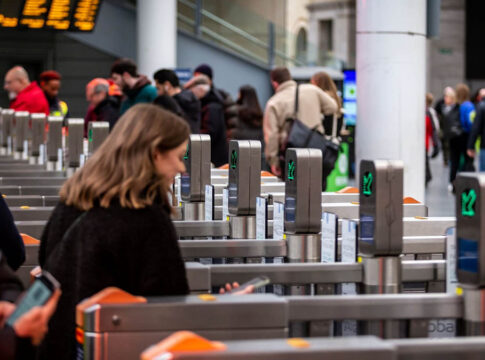 As part of the Government’s current rail reforms, new ticket gates will be installed at stations and platforms across England targeting fare dodger hot spots to crack down on deliberate ticketless travel and make sure fares go towards improving the services passengers depend on. Passengers will benefit from a fairer railway with £33.4 million of […]
Northern passengers make 30,000 journeys using new pay as you go technology
 More than 30,000 journeys have been made on Northern services by passengers using new pay-as-you-go technology. The passengers are volunteering to use Digital Pay as You Go (DPAYG) technology on the Leeds-Harrogate and Sheffield-Doncaster routes, as part of a trial run by the Department for Transport and Northern. It comes as the government is reforming […]
Northern passengers make 30,000 journeys using new pay as you go technology
More than 30,000 journeys have been made on Northern services by passengers using new pay-as-you-go technology. The passengers are volunteering to use Digital Pay as You Go (DPAYG) technology on the Leeds-Harrogate and Sheffield-Doncaster routes, as part of a trial run by the Department for Transport and Northern. It comes as the government is reforming […]
Bluetooth assistive listening technology ‘a game changer’ for commuters at Brighton station
 In a first for UK Rail, Southern, Thameslink, and Gatwick Express have permanently installed innovative technology at Brighton station to help people with hearing loss as well as other commuters get to their train more easily. The innovation is one of the ways passengers are being prioritised under public ownership, as part of the journey […]
£47,000 grant funds digital information screens at North Norfolk stations
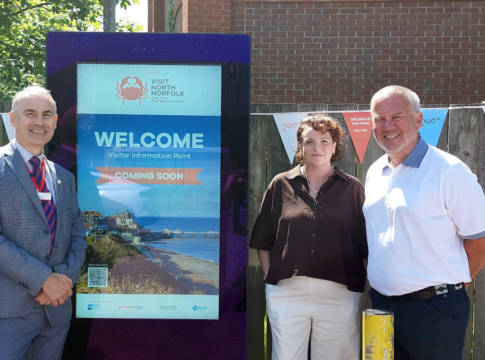 New digital information screens have been installed at four North Norfolk stations to help visitors access local travel, tourism and visitor information. The touchscreens have been installed at Sheringham, Cromer, Hoveton & Wroxham, and North Walsham stations, thanks to a £47,778 grant from Greater Anglia’s Customer and Community Improvement Fund. The project, submitted by North […]
£47,000 grant funds digital information screens at North Norfolk stations
New digital information screens have been installed at four North Norfolk stations to help visitors access local travel, tourism and visitor information. The touchscreens have been installed at Sheringham, Cromer, Hoveton & Wroxham, and North Walsham stations, thanks to a £47,778 grant from Greater Anglia’s Customer and Community Improvement Fund. The project, submitted by North […]