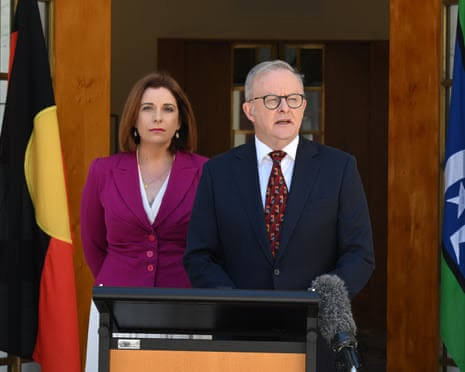
The Albanese Labor Government has secured support from the Greens to push its controversial Digital Duty of Care legislation through the Senate, following negotiations that have resulted in significantly tougher penalties and expanded legal powers over social media companies.
The agreement, announced on 24 November, represents a substantial change to the government’s original proposal and has reignited concerns about the potential impact of increased government regulation on freedom of expression across Australia’s online platforms.
Communications Minister Anika Wells has agreed to a series of Greens-backed amendments, including allowing individuals to take social media companies to court over harm suffered online, increasing financial penalties and introducing additional oversight of digital platforms.
The Coalition has opposed the legislation, warning that the expanded regulatory framework could create risks for free speech and give the government and regulators excessive influence over online content.
Big Tech Faces Penalties of Up to 5 Per Cent of Global Revenue
One of the most significant changes involves a substantial increase in financial penalties for technology companies that fail to meet their obligations under the proposed legislation.
Under Labor’s original proposal, the maximum penalty was $109.2 million. Following negotiations with the Greens, this has been increased to up to 5 per cent of a company’s global revenue.
For major international technology companies such as Meta, Google and other large digital platforms, the potential penalties could run into billions of dollars.
The increased penalties are intended to encourage technology companies to take greater responsibility for harmful material and the design of their platforms.
However, critics are concerned that the scale of the penalties could encourage companies to take an overly cautious approach to moderating online content, potentially removing material that might otherwise be considered legitimate political debate or free expression.
Individuals Could Take Social Media Companies to Court
Another major concession secured by the Greens is the introduction of a private right of action, allowing Australians to directly sue technology companies over harm suffered through their platforms.
Previously, Australia’s online safety framework relied largely on regulatory intervention, including the powers of the eSafety Commissioner.
The new provision would give individuals an additional avenue to pursue legal action against digital platforms.
The Greens have described the change as an important step towards holding major technology companies accountable for the consequences of their products and business practices.
However, the expansion of private legal action also raises questions about potential litigation costs, compliance obligations and the impact on technology companies operating in Australia.
Government Plans Greater Oversight of Digital Platforms
The agreement also provides the government with powers to establish a Digital Complaints Ombudsman in the future.
The proposed body would provide an additional mechanism for handling complaints and resolving disputes involving online platforms.
The legislation will also require technology companies to consider potentially addictive design features, including algorithm-driven content recommendations, when assessing risks associated with their services.
These measures form part of a broader regulatory framework designed to require platforms to take reasonable steps to prevent foreseeable online harms.
Free Speech Debate Intensifies
While Labor and the Greens argue that the legislation is necessary to protect Australians, particularly children and vulnerable users, concerns about freedom of expression remain central to the political debate.
Opponents argue that imposing substantial financial penalties and expanding regulatory oversight could encourage social media companies to remove or restrict content simply to avoid the risk of prosecution or regulatory action.
There are also questions about how online harm will be defined, how regulatory powers will be exercised and what protections will exist for legitimate political discussion, criticism and controversial opinions.
The government maintains that the legislation is intended to improve online safety rather than suppress legitimate expression. It has also outlined exemptions and parliamentary oversight mechanisms for aspects of the regulatory framework.
A Turning Point for Australia’s Digital Environment
The Labor-Greens agreement marks a significant development in Australia’s approach to regulating social media and the broader digital economy.
With penalties potentially reaching 5 per cent of global revenue, the introduction of private legal action and a proposed complaints oversight framework, technology companies face a substantially expanded compliance environment.
The legislation is expected to pass the Senate with Greens support, although its implementation and practical consequences will remain important issues for technology companies, investors, digital publishers and Australians who rely on online platforms for information and discussion.
Ultimately, the central question will be whether the new framework can improve online safety without placing unnecessary restrictions on freedom of expression.
For Australia, striking that balance will be critical to ensuring that efforts to make the internet safer do not come at the expense of an open and freely accessible digital environment.