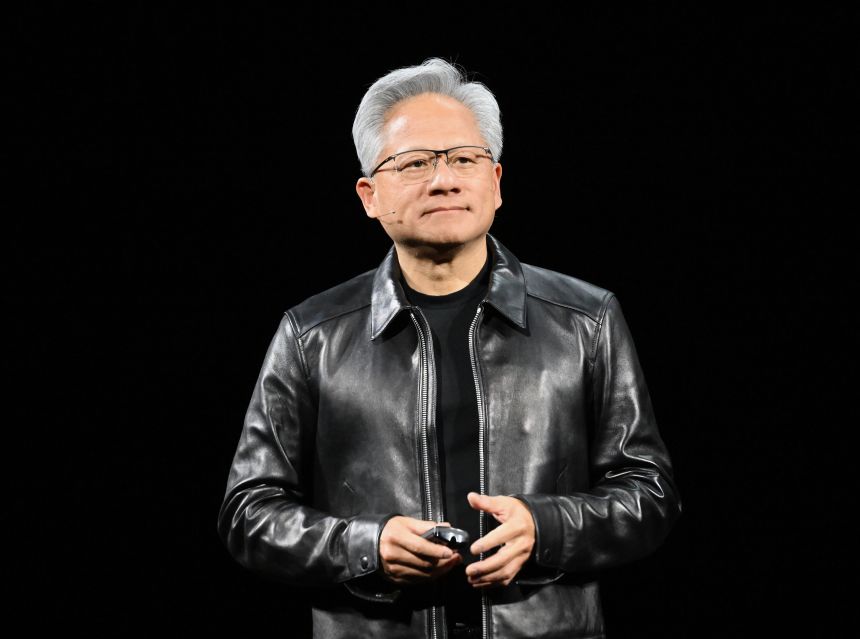
NVIDIA shares surged more than 31 per cent on 23 November after the company’s board made the dramatic decision to reinstate co-founder Jensen Huang as president and chief executive, ending a period of leadership uncertainty at the world’s leading AI chipmaker.
The shares closed at US$165.05, up US$39.52 for the session, representing a gain of 31.48 per cent. The rally added approximately US$952 billion to NVIDIA’s market capitalisation, taking its valuation to almost US$4 trillion.
The extraordinary market reaction highlights the importance investors place on Huang’s leadership and his central role in NVIDIA’s position at the forefront of the global artificial intelligence industry.
A Dramatic Leadership Reversal
Huang’s return follows a turbulent period for NVIDIA after his departure earlier in November. The board had previously indicated that his return was unlikely, leaving investors concerned about the company’s leadership, strategic direction and ability to maintain its momentum in the rapidly expanding AI market.
However, following discussions with Huang and input from senior US government officials, NVIDIA’s board unanimously voted to reinstate him, effective immediately.
In announcing the decision on 23 November, the company said the board was satisfied with Huang’s candour and ability to lead, and believed his reinstatement was in the best interests of shareholders, employees, partners and customers.
Huang welcomed the decision, expressing appreciation for the board’s confidence and the support he had received from employees, industry partners and shareholders.
The company has also confirmed that its independent investigation into matters involving Huang will continue, alongside additional oversight of national security and export-control compliance.
Investors Respond to the Return of NVIDIA’s Founder
The immediate market response was substantial, with investors quickly buying NVIDIA shares following confirmation of Huang’s reinstatement.
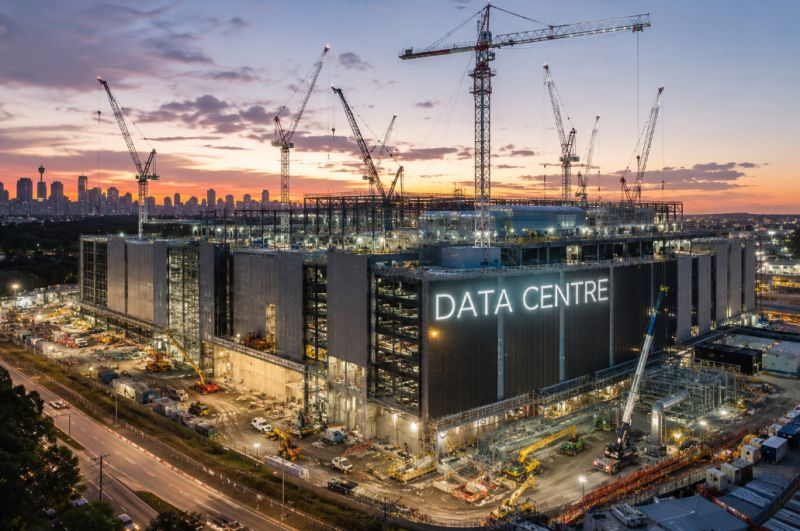
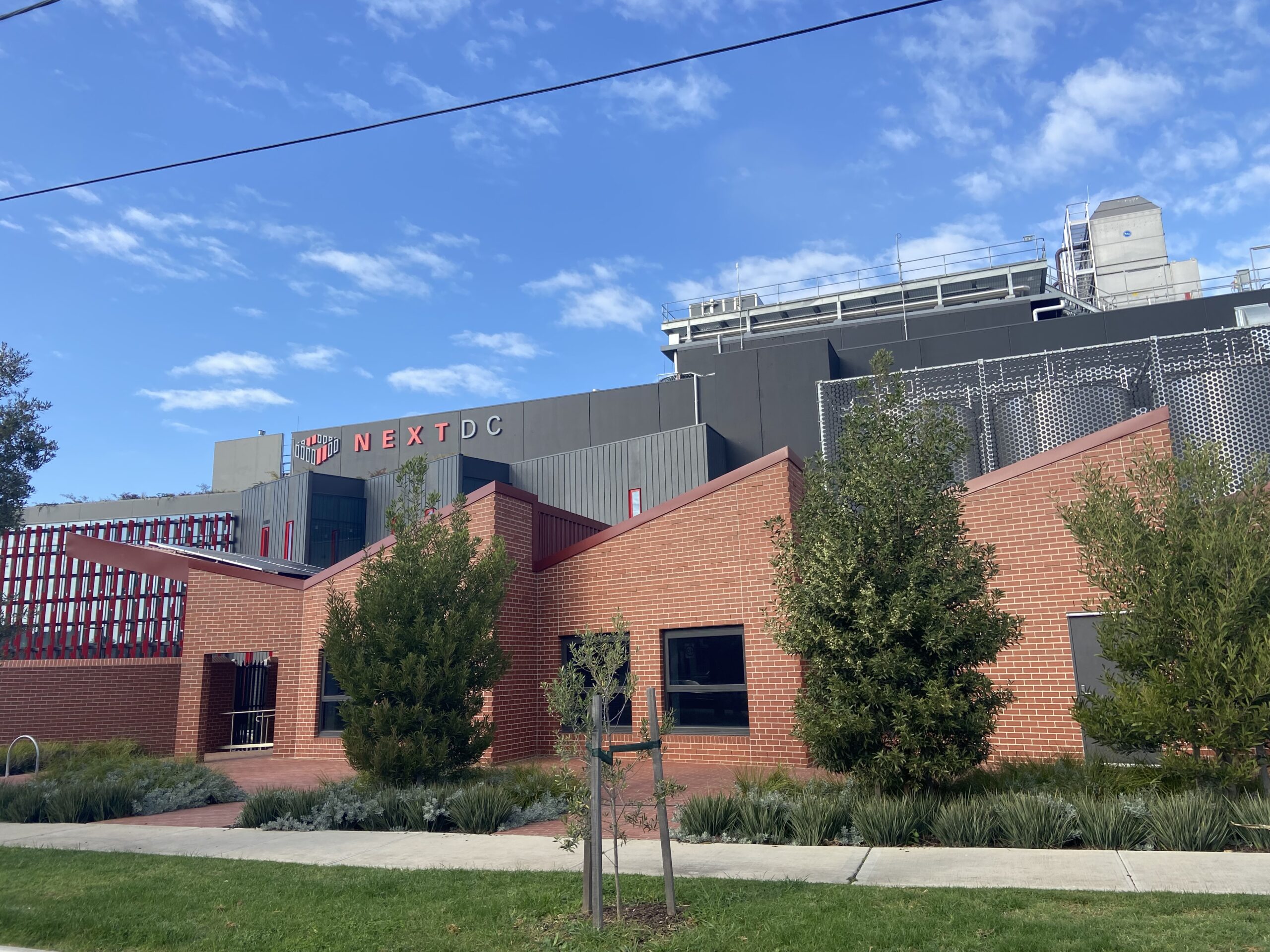
The rally reflected renewed confidence in the company’s leadership at a time when the semiconductor industry is experiencing unprecedented demand for advanced processors used in artificial intelligence, cloud computing and hyperscale data centres.
Huang has become one of the most influential executives in the technology sector, having transformed NVIDIA from a graphics processing company into a major supplier of the computing infrastructure underpinning the AI revolution.
His close relationships with major technology companies, cloud providers and data centre operators have also been central to NVIDIA’s commercial expansion.
For investors, his return provides greater certainty around the company’s product roadmap, customer relationships and long-term AI strategy.
NVIDIA’s Position in the Global AI and Data Centre Boom
NVIDIA’s growth has been closely linked to the enormous investment being made by technology companies in AI infrastructure.
Major cloud providers and technology companies are spending billions of dollars developing hyperscale data centres equipped with NVIDIA’s GPUs and networking technologies.
The company’s processors are widely used to train and operate advanced AI models, while its broader computing platform has become an important part of the global data centre ecosystem.
Huang’s leadership has been instrumental in positioning NVIDIA to benefit from this investment cycle.
His return is therefore being viewed by some investors as a positive development for the wider AI infrastructure sector, particularly companies involved in semiconductor manufacturing, memory, networking, cooling and data centre construction.
Share Price Recovery Still Faces Challenges
Despite the extraordinary one-day rally, NVIDIA’s shares have not fully recovered their earlier losses.
Before the leadership crisis, the stock had traded at approximately US$240 in early October. Even after the 31.48 per cent rebound, shares remained around 32 per cent below that level.
This suggests that while Huang’s reinstatement has restored some investor confidence, broader concerns about the technology sector and the sustainability of AI infrastructure spending remain.
Analysts have also highlighted several outstanding issues, including the continuing investigations involving Huang, corporate governance questions, US restrictions on advanced chip exports and uncertainty surrounding future demand for AI computing.
The board’s decision to reinstate Huang has reduced one major source of uncertainty, but it has not removed all the risks facing the company.
What Huang’s Return Means for NVIDIA’s Future
Huang’s return reinforces his central position within NVIDIA and highlights how closely the company’s market valuation is connected to confidence in its founder and chief executive.
The scale of the share price reaction demonstrates that investors see continuity in leadership as an important factor in maintaining NVIDIA’s competitive position in the global AI market.
However, the company will still need to demonstrate that its growth can be sustained through continued demand for AI chips, strong customer investment and the successful delivery of its next generation of computing platforms.
For the broader data centre industry, NVIDIA’s rebound is also significant. Continued confidence in the company’s leadership and product strategy could support investment across the AI infrastructure supply chain.
While the immediate market reaction has been dramatic, NVIDIA’s longer-term share price performance will ultimately depend on earnings growth, demand for AI infrastructure, competitive pressures and the company’s ability to navigate regulatory and governance challenges.
Huang’s return has given investors a reason to reassess the company’s immediate leadership outlook. The next challenge will be turning that renewed confidence into sustained business and financial performance.