
Australian data centre developer WinDC has strengthened its partnership with US technology company Armada, unveiling an ambitious plan to establish a network of modular artificial intelligence (AI) data centres across Australia and New Zealand.
The proposed rollout could deliver up to 3 gigawatts (GW) of AI computing capacity across approximately 40 sites by the end of 2030, with the companies estimating the potential investment at more than US$30 billion (approximately A$44.5 billion).
WinDC founder and CEO Andrew Sjoquist said the partnership represented a significant opportunity to position Australia as a major player in the rapidly expanding global AI infrastructure market.
The initial deployment is expected to involve 11 megawatts (MW) of modular data centre capacity across five Australian states, followed by a further 230MW targeted for 2027.
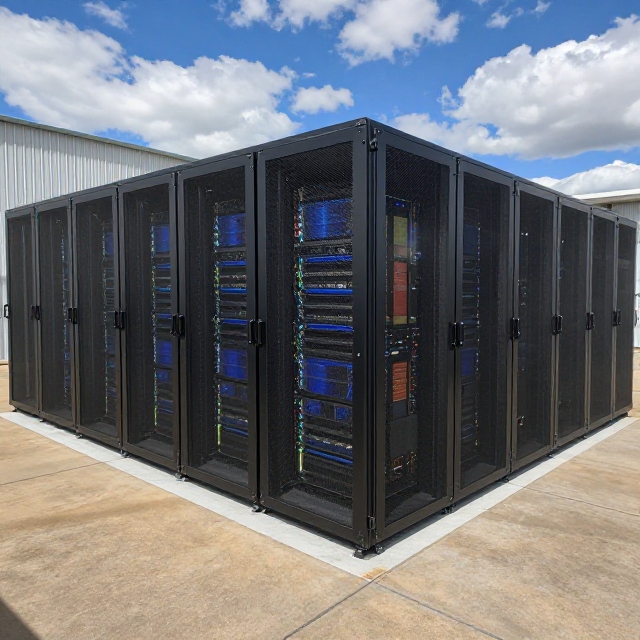
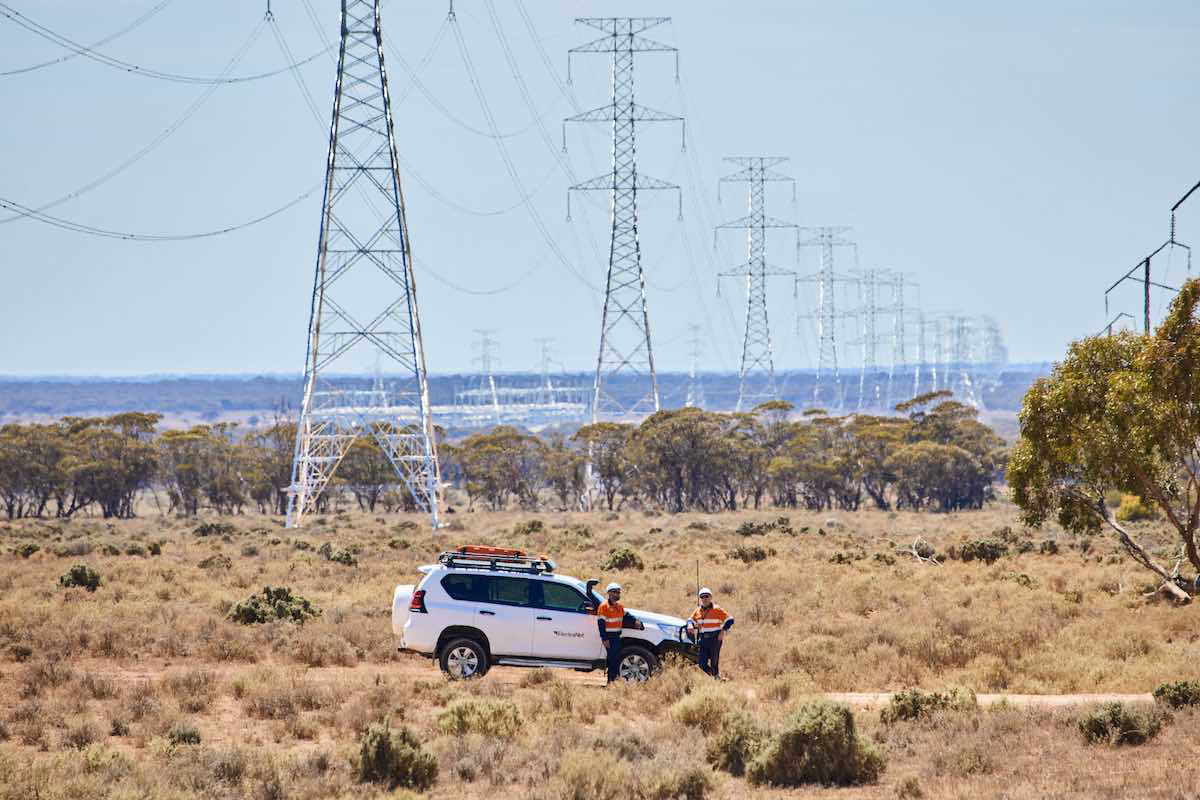
The facilities will use Armada’s modular Leviathan data centre technology, with individual units providing up to 2MW of computing infrastructure. Designed for deployment at or near existing energy generation sites, the facilities will be positioned to take advantage of available electricity from renewable energy sources, including wind and solar farms.
The approach aims to address two significant challenges facing Australia’s digital infrastructure sector: growing demand for computing capacity and limitations in electricity transmission infrastructure.
By locating data centres close to electricity generation, WinDC aims to utilise renewable energy that might otherwise be curtailed because of network constraints, while reducing reliance on major metropolitan data centre locations. Sjoquist said the opportunity extended beyond simply building more data centres.
He sees the initiative as a way to transform Australia’s renewable energy resources into a valuable export industry, supplying AI computing services to international customers, particularly across the fast-growing Indo-Pacific region.
The partnership has also attracted attention through its connection with the US Government’s American Super Intelligence (SI) Exports Program.
Armada has been designated a Priority Team Leader under the program, which provides participating technology consortia with government advocacy, prioritised export licensing and referrals to federal financing agencies.
Armada’s American Sovereign SI technology consortium includes Dell Technologies and Microsoft, combining modular infrastructure with computing, storage and AI software capabilities.
The companies have indicated they intend to explore potential financing support for future Australian deployments, including through the Export-Import Bank of the United States.
A further element of the partnership is the longer-term ambition to establish Australian manufacturing capability.
Armada’s modular facilities are currently manufactured in the United States and Europe, but the companies have expressed a commitment to progressively develop local production as the Australian deployment expands.
For regional Australia, the proposed investment could create opportunities around renewable energy developments, infrastructure construction, technology services and employment.
However, the scale of the longer-term proposal will depend on securing suitable sites, electricity supply, regulatory approvals, customers and financing.
The current agreement is a letter of intent rather than a completed financing or construction commitment, making the delivery of the initial 11MW deployment an important milestone.
If successfully implemented, the WinDC–Armada partnership could help establish a new model for Australian digital infrastructure, bringing together renewable energy generation, advanced computing technology and international investment.
It also presents an opportunity for Australia to move further up the technology value chain, using its energy resources not only to supply electricity but to power the computing infrastructure increasingly required by the global AI economy.

Mentions power and factories to run big AI computes but does not mention the large fibre networks required to make this work. Land, water, energy and telecoms all required to make it a success.