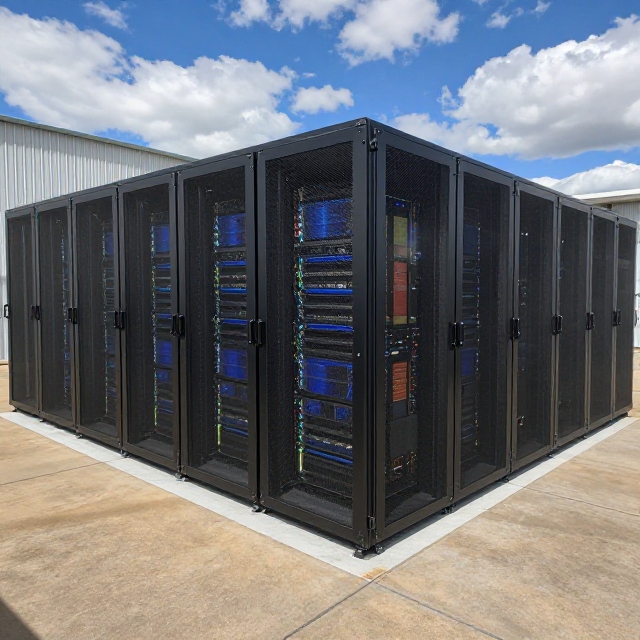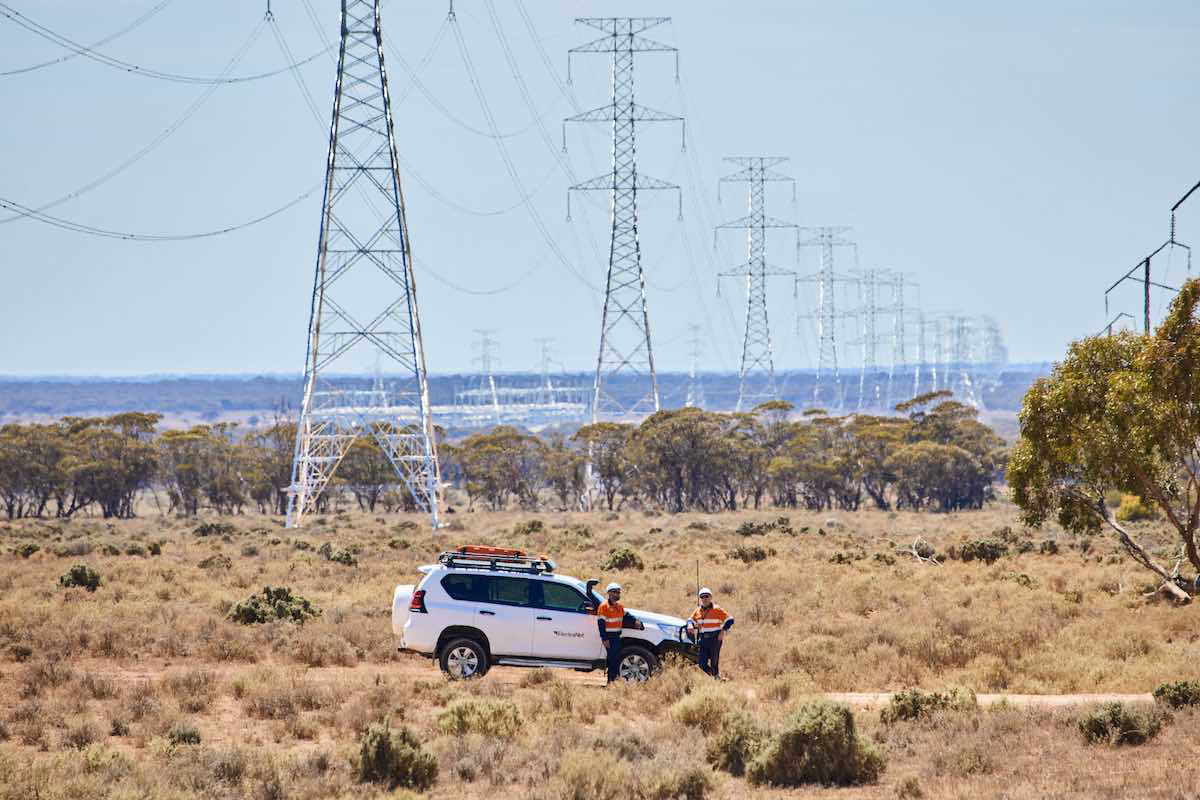
The South Australian Government has come under fire over its support for using gas-generated electricity to power proposed artificial intelligence (AI) data centres across the state, with critics accusing the government of backtracking on its commitment to renewable energy.
Energy Minister Tom Koutsantonis has defended the potential use of gas, stating that he was “absolutely fine” with gas-fired power helping to meet the significant energy demands of the proposed large-scale facilities.
“We support the idea of gas use to firm data centres the same way we support the idea of gas firming our renewable energy right now,” Mr Koutsantonis said.
However, the minister’s comments have raised questions about the government’s renewable energy commitments, particularly given the direction outlined in its Data Centre Strategy, released less than five months ago.
The strategy placed a strong emphasis on South Australia’s renewable energy resources, highlighting the state’s ability to support the growing AI industry through clean electricity.
“South Australia can produce the clean energy needed, at scale and on time, to power the artificial intelligence revolution,” the strategy stated.
Under the government’s framework, new data centre developments would be required to provide their own power supply rather than relying entirely on the existing electricity network.
One of the major projects affected by the debate is Quantum DC’s proposed 1,200-megawatt data centre at Tungkillo in the Adelaide Hills. The company announced on Wednesday that it was pausing its plans for the development.
Quantum DC had previously indicated that approximately 20 per cent of the facility’s electricity requirements would be supplied by a proposed gas-fired power station on part of its 220-hectare property, with the remaining energy expected to come from renewable sources.
The Tungkillo proposal is one of several major data centre developments being considered across South Australia as the demand for AI computing infrastructure continues to grow.
Australian company Iren has proposed an $10 billion, 800-megawatt data centre at Bundey, near Robertstown in the state’s Mid North. Meanwhile, global AI infrastructure company Firmus has previously announced plans for data centre developments near Tailem Bend and Port Augusta.
Mr Koutsantonis said the enormous and continuous electricity requirements of data centres made reliable power supplies essential.
He argued that gas could play an important supporting role by providing backup electricity when renewable energy generation is unavailable.
“Data centres need large amounts of energy continuously,” he said, explaining that gas could help guarantee supply “if the sun stops shining or wind stops blowing”.
The government’s position highlights the challenge of balancing South Australia’s renewable energy ambitions with the growing electricity demands of the AI industry.
While the state continues to promote itself as a destination for large-scale technology investment, the potential reliance on gas-fired generation has reignited debate over whether future data centre developments will genuinely support the state’s clean energy transition or create a renewed dependence on fossil fuels.