Part 1 of the Series: The New Zealand Data Centre Boom
For decades, the global narrative of digital infrastructure has been defined by dense, land-constrained, and energy-strained urban hubs. Silicon Valley, Northern Virginia, Singapore, and Western Sydney have long shouldered the burden of the world’s internet traffic and enterprise computing. But as the exponential rise of artificial intelligence (AI) triggers a voracious appetite for power and land, hyperscalers and investors are looking to the edge of the map for answers.
Enter the New Zealand South Island.
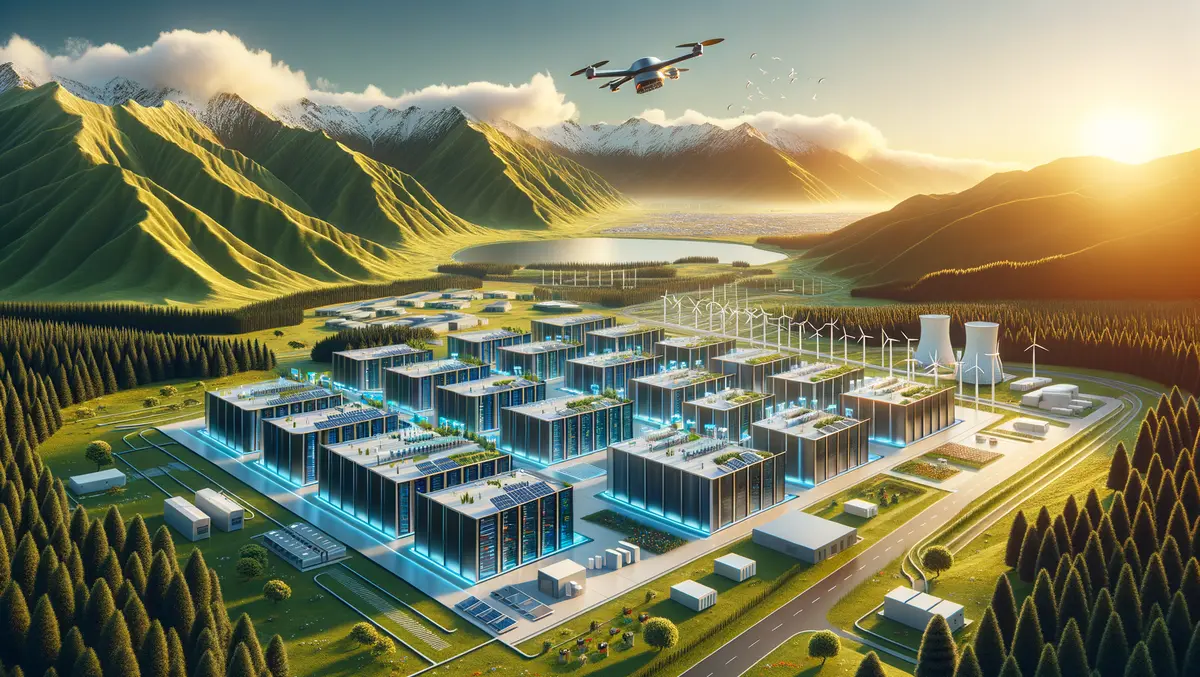
Driven by a rare confluence of vast renewable energy, a naturally cool climate, and targeted international connectivity, the South Island—particularly the Southland region—is rapidly transforming from a regional economy into a strategic international gateway for the global AI era.
The Anchor of the Boom: The Datagrid Project
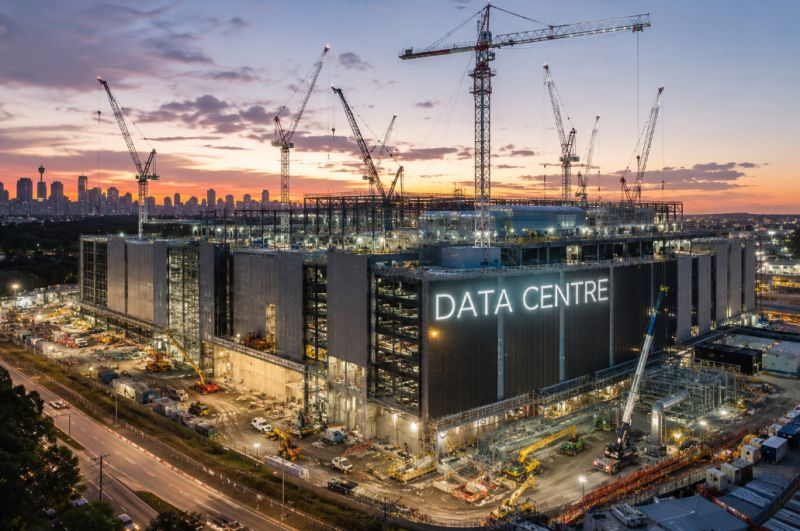
The flagship catalyst for this regional transformation is the massive $3.4 billion Datagrid data centre park in Makarewa, Southland. Spanning 49 hectares and having successfully secured its resource consents, this 280 MW hyperscale facility is designed specifically as New Zealand’s first major “AI factory.”
Rather than serving routine corporate workloads, Datagrid is built to handle the high-density training clusters and latency-tolerant processing required by global tech giants. Its modular design allows for flexible, phased scaling—offering a multi-megawatt IT footprint that has become nearly impossible to permit or power in traditional, congested international markets.
Power by Nature: Unrivaled Renewable Energy
The primary bottleneck for global data centre expansion is no longer silicon chips; it is electricity. Here, the South Island holds a decisive competitive advantage.
Proximity to legendary generation assets—most notably the Manapouri hydroelectric power station—grants the region access to massive reserves of reliable, low-carbon energy. For international hyperscalers bound by strict environmental, social, and governance (ESG) mandates, the South Island offers a rapid, frictionless pathway to 100% renewable-powered computing. Regional energy generators are actively backing this shift, forging power purchase agreements that tie digital growth directly to clean energy development.
Climate Advantage: Engineering for Efficiency
Physics dictates that computing creates heat, and cooling that heat consumes immense energy. Geography, however, is on Southland’s side.
With average ambient temperatures hovering between 9 °C and 10 °C (48 °F–50 °F), data centres in the region can leverage natural “free air” cooling for the vast majority of the year. This drastically reduces the need for energy-intensive mechanical chillers, driving down the Power Usage Effectiveness (PUE) and slashing cooling energy costs by 15% or more compared to warmer global destinations.
Breaking the Northern Bottleneck: Phased Subsea Connectivity
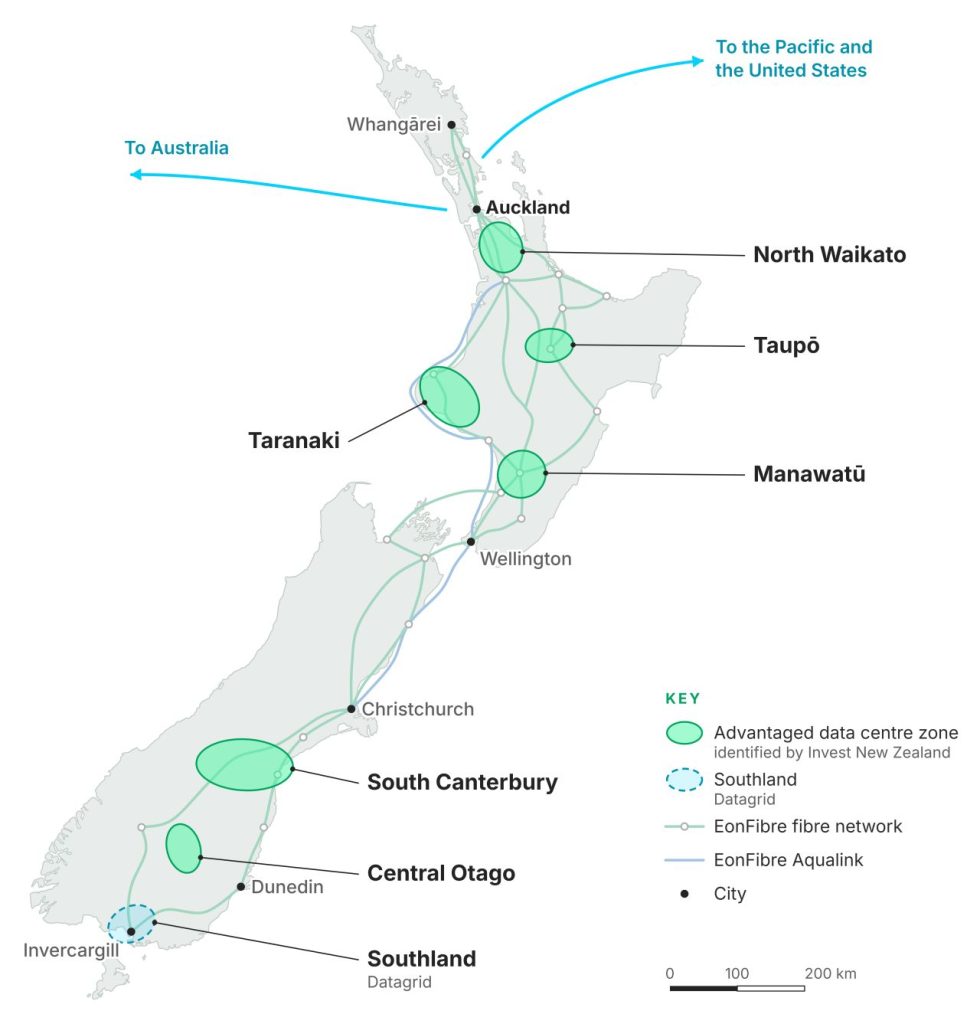
Historically, New Zealand’s international data pathways heavily relied on northern entry points centered around Auckland. The South Island is rewriting that paradigm through targeted, practical infrastructure steps.
Rather than waiting for speculative multi-leg loop projects, developers have pivoted to pragmatic execution: a targeted supply and installation contract with Alcatel Submarine Networks (ASN) and OMS Group for a direct point-to-point subsea cable connecting Invercargill to Victoria, Australia. By establishing this dedicated southern gateway, the project secures independent trans-Tasman connectivity, opening up a direct, geographically diverse alternative route for international data flows.
A New Paradigm for Regional Growth
Ultimately, the South Island is pioneering a high-value economic model: exporting computational power rather than physical commodities. The scale of investment is unlocking a wave of secondary opportunities, creating high-skilled engineering jobs, specialized tech roles, and surging demand for local grid resiliency solutions.
As the world scrambles to find sustainable, scalable ground for the next generation of digital infrastructure, New Zealand’s deep south is proving that the future of AI doesn’t just belong to the mega-cities—it belongs to the places with the power to sustain it.
(Coming up in Part 2: “Deep Dive: How Direct Subsea Connections Are Rewiring Southern Connectivity.”)