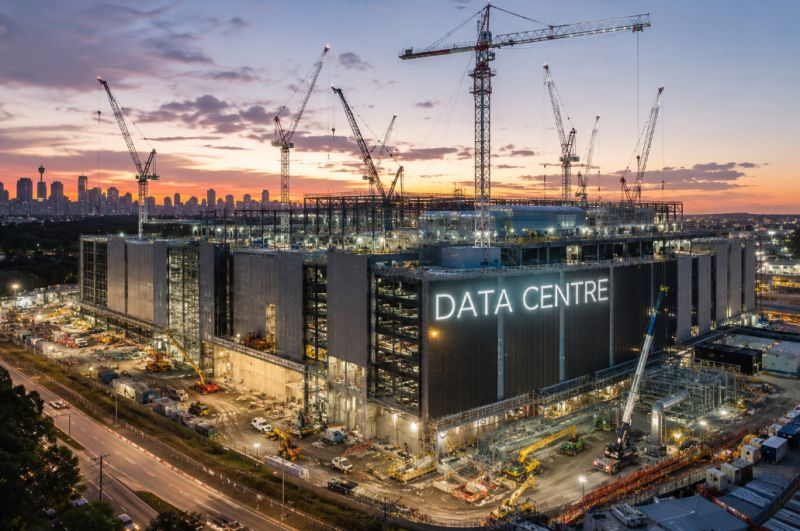
Firmus’s listing is shaping up as a test of how much Australian investors will pay for the AI infrastructure story. The company set out to price its shares at $11, which would have made this the country’s biggest float since Telstra. According to press reports, soft demand from both offshore and domestic buyers may now push the price down to $9.
The arithmetic matters. At $9, Firmus would raise roughly $1.3 billion less than the $7.2 billion it was targeting. The market capitalisation it is aiming for on its October 23 debut, about $43.9 billion, would also shrink by around $8 billion. It would still be a very large IPO, but a repricing midway through the raise is a different story from the confident launch that was planned.
The bigger issue is what it signals. Firmus has been the most closely watched listing in a generation, and a markdown this early gives weight to the argument that the AI infrastructure build-out is running on borrowed money and optimistic assumptions. Investors are no longer paying full price for the promise of an AI windfall. They want to see delivered capacity and contracted revenue first.
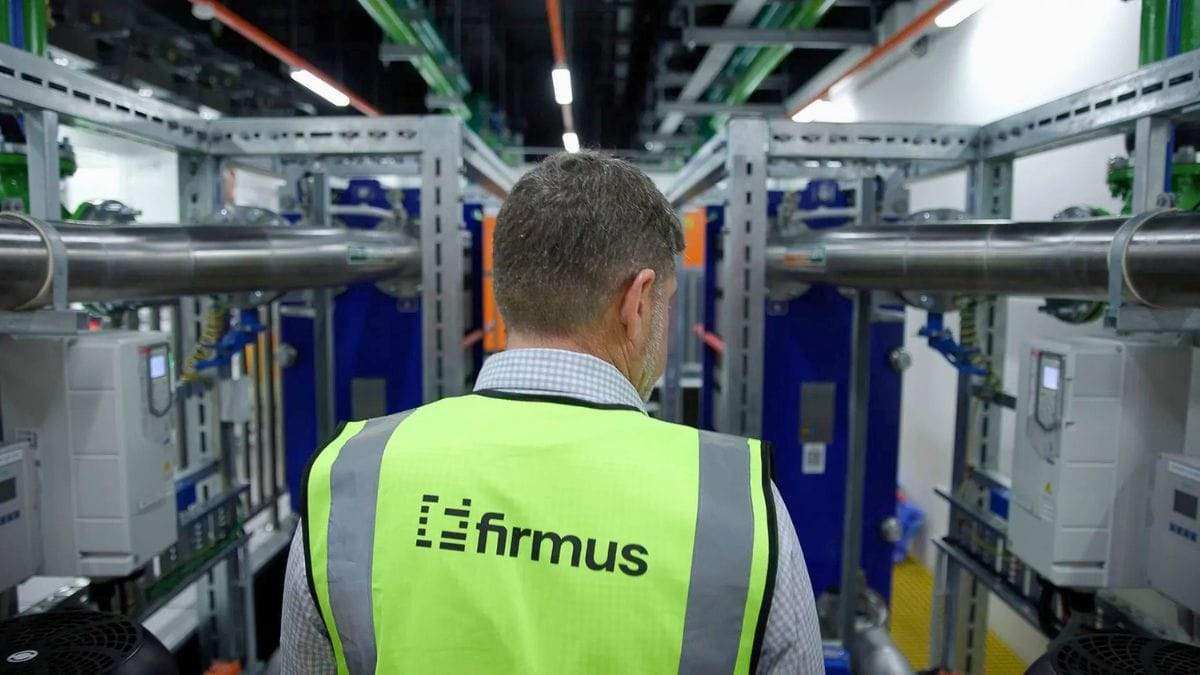
The signed contracts are worth little after costs. After tax, and after the ~US$9bn still needed to finish the sites, the 912MW of contracts are worth US$2–4bn. They mostly pay for the build.
Most of the value depends on year 6. When the first contracts end, Firmus can lease the empty sites or refill them with new GPUs. That is worth US$3–21bn depending on the refill price, which nobody knows yet.
A plausible range is A$15–26bn. Getting to A$26bn needs on-time, on-budget delivery, full contract revenue, a refill about 30% above today’s six-year rate, and some value from the pipeline.
Ordinary slippage cuts that to A$11–15bn. Build cost is the biggest risk because contract prices are fixed: a 15% overrun alone takes off about A$7bn. Six months’ delay, a 10% overrun and 3% less revenue together take the A$26bn case to about A$15bn.
The float price assumes most things go right. A$43–44bn needs an 8% return, today’s best three-year rates (about $20M/MW) holding for six years, and several billion more from the pipeline.
The inputs are softer than they look. The $3.10/GPU-hour rate comes from Batam, which is a Firmus projection, not a signed contract. The OpenAI deal value isn’t disclosed. The A$73bn cost base came from the Southgate plan with CDC, which has since been
TLDR: The project works at cost. On realistic execution it’s worth about A$13–20bn, roughly a third to a half of the float price. The rest of the price is paid for refill pricing in 2032 and a pipeline with no contract terms yet.