Alstom is celebrating the entry into commercial service in France of the new-generation TGV, known locally as TGV M. Operated by SNCF, unit is the first train to enter service based on Alstom’s Avelia Horizon very high-speed platform.
The inaugural passenger journey for the TGV M – unit No. 1011 – between Paris and Marseille marks the latest milestone in Alstom’s 45-year high-speed rail journey. From the first TGV to Avelia Horizon, Alstom has continuously advanced the performance of high-speed rail, drawing on the knowledge gained from successive generations of trains operating around the world.
“The entry into service of the new-generation TGV is a new demonstration of Alstom’s global leadership in high-speed rail,” said Martin Sion, chief executive officer at Alstom.
“As the first train to enter service based on our Avelia Horizon platform, it builds on 45 years of experience and operational knowledge gained around the world. It is also the result of many years of close cooperation with SNCF and of the contribution of thousands of people across Alstom, our partners and our wider industrial ecosystem. I would like to thank all the teams who made this collective achievement possible.”
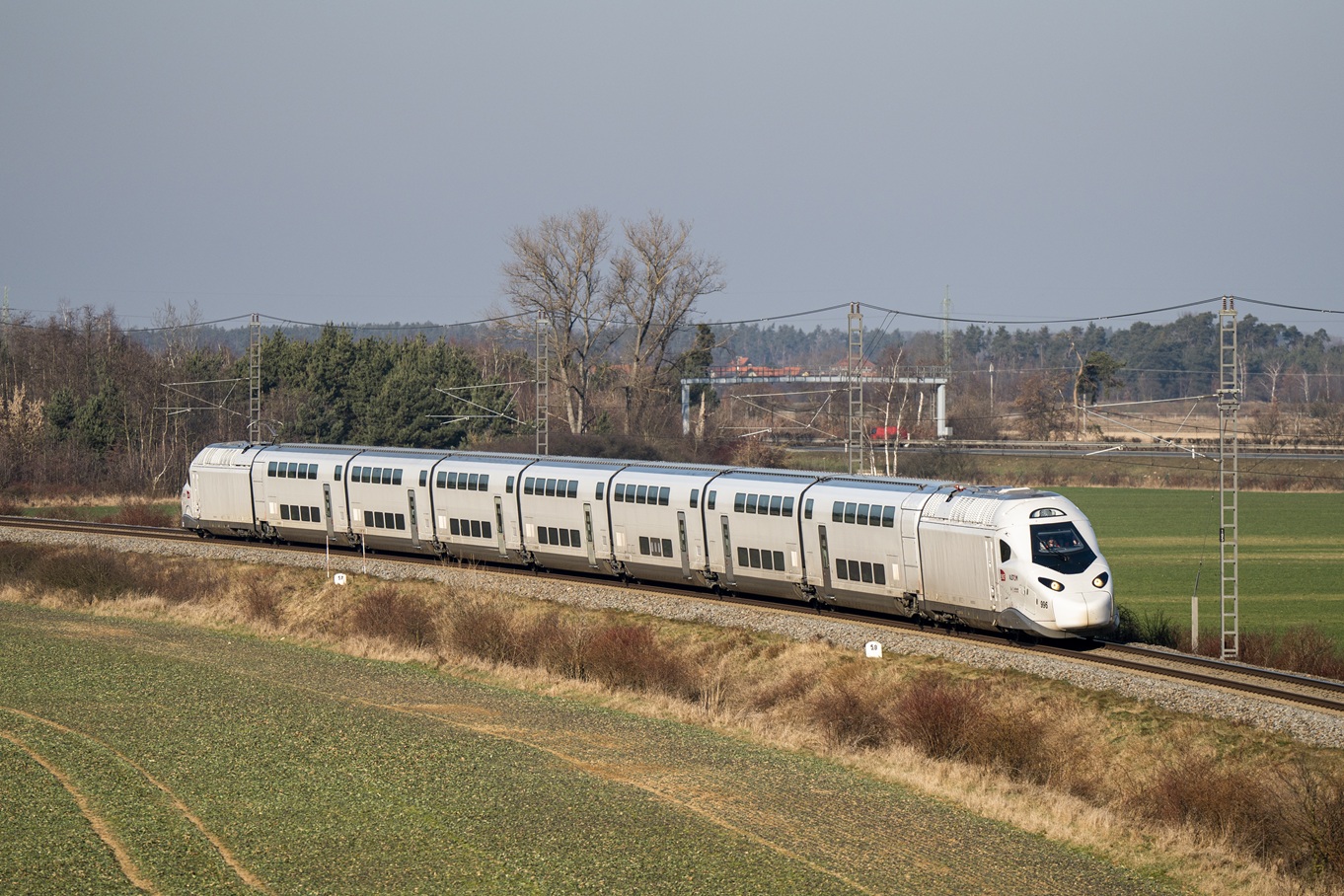
The first TGV M train (35081) left Paris Gare de Lyon at 09:56 CET and arrived at Marseille Saint-Charles at 13:05. The return trip (35080) departed Marseille at 14:59.
The first six TGV M trains will be deployed on the Paris–Marseille route, initially with one return journey a day, before services are gradually increased.
Avelia Horizon has been developed to meet the changing priorities of high-speed operators worldwide: increasing capacity, reducing energy consumption, optimising lifecycle costs and enhancing the passenger experience.
Its architecture has been completely redesigned, drawing on Alstom’s experience across successive generations of high-speed trains. From the power cars and passenger coaches to aerodynamics, traction, digital systems and maintenance, the train has been conceived as an integrated system. It incorporates more than 400 innovations for which patent applications have been filed.
Shorter power cars make room for an additional passenger coach within the same train length, allowing the new-generation TGV to offer up to 20% more seating capacity than the previous generation with high level of comfort and accommodate up to 740 passengers.
The train also consumes 20% less energy than the previous generation, supported by improved aerodynamics, reduced weight and more efficient traction systems. At maximum capacity, this represents a 32% reduction in energy consumption per passenger-kilometre.
Predictive maintenance systems, fewer components and improved accessibility have been designed to increase fleet availability and reduce maintenance costs by more than 30% compared with the previous generation. Its scalable digital architecture also allows new technologies and passenger services to be integrated throughout its operating life.
“Avelia Horizon represents the most significant evolution in very high-speed train architecture in more than 30 years. Its innovation lies in the complete redesign of the train’s architecture,” said Benjamin Fitoussi, president of rolling stock and components at Alstom.
“The platform allows operators to carry more passengers within the same train length with high level of comfort, while reducing energy consumption and optimising maintenance throughout the lifecycle.”
Since the introduction of the first TGV in 1981, Alstom has developed successive generations of high-speed and very high-speed trains. Each generation has combined operational feedback with advances in capacity, reliability, energy efficiency, maintainability and passenger comfort. Avelia Horizon represents the most significant evolution in very high-speed train architecture in more than 30 years (since the TGV Euroduplex entered service in 1996).
More than 2,200 trains incorporating Alstom’s Avelia technologies have operated across 25 countries, crossed 20 national borders and travelled more than 10 billion kilometres.
This accumulated experience enables Alstom to support customers throughout the lifecycle of their high-speed systems, from design, engineering and industrialisation to certification, entry into service, maintenance, life cycle support and digital optimisation.
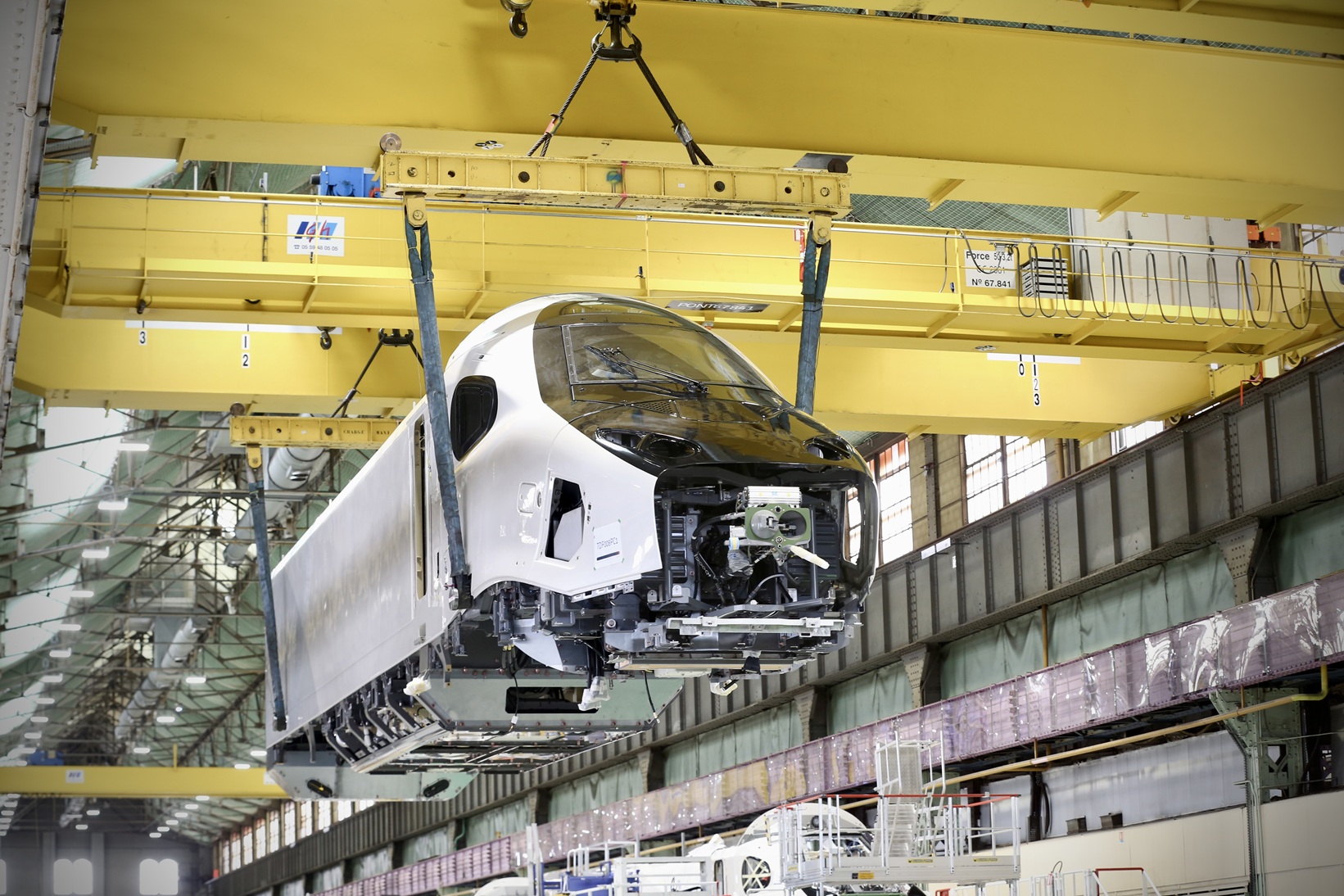
It also gives Alstom the expertise required to address the most complex high-speed rail challenges, including interoperability, cross-border operations, infrastructure integration, network capacity, energy performance and long-term fleet availability.
The entry into service of the new-generation TGV provides the first operational reference for Avelia Horizon.
Designed as a flexible and scalable platform, Avelia Horizon can be adapted to the operational, regulatory and passenger requirements of different customers and markets. Its modular architecture allows operators to tailor capacity, interior layout, passenger services and technical configuration to their specific needs.
As the only double-deck very high-speed platform currently available on the market, Avelia Horizon enables operators to increase capacity within an existing train length and width. This is particularly relevant for congested corridors and major stations where extending platforms or building new infrastructure can be complex and costly.
The platform is designed to support high-capacity domestic services, cross-border connections and international corridors. It offers operators a solution to increase capacity, reduce energy consumption and lifecycle costs, improve fleet availability, and provide an attractive alternative to air and road travel.
Image credit: Alstom