Network Rail has reached an important milestone in its work to strengthen Scotland’s railway against extreme weather, investing £130m in resilience over the last two years.
The progress comes as the railway faces increasingly challenging conditions, with higher temperatures, more unpredictable rainfall and frequent severe weather.
Network Rail’s Climate Ready Plan, published in 2024, explains how the railway is adapting to these challenges. As well as funding improvements to infrastructure, the plan aims to build understanding of climate risks, helping teams better anticipate, prepare for and manage the effects of severe weather.
The work delivered so far is part of a wider £400m programme between 2024 and 2029. It supports the Scottish Government’s National Adaptation Plan, which highlights the importance of helping the transport sector adapt to climate change.
Cabinet Secretary for Economy, Tourism and Transport Stephen Flynn said: “I welcome Network Rail’s continued investment to strengthen and future-proof our railways against the growing challenges posed by extreme weather and climate change.
“The services provided by Scotland’s rail network are critical, keeping Scotland moving by allowing passengers and freight to move safely. It is vital we build a rail network which is resilient to reduce disruption and protect communities.
“This funding, part of the Scottish Government’s £400m programme of investment, will help ensure we are prepared for the growing impact of climate change on the transport network, which has become a year-round challenge.”
The £130m invested includes £73m on earthworks and £37m on drainage, helping the railway better withstand extreme weather.
Examples of resilience projects include upgrades to parts of the railway vulnerable to flooding and landslips:
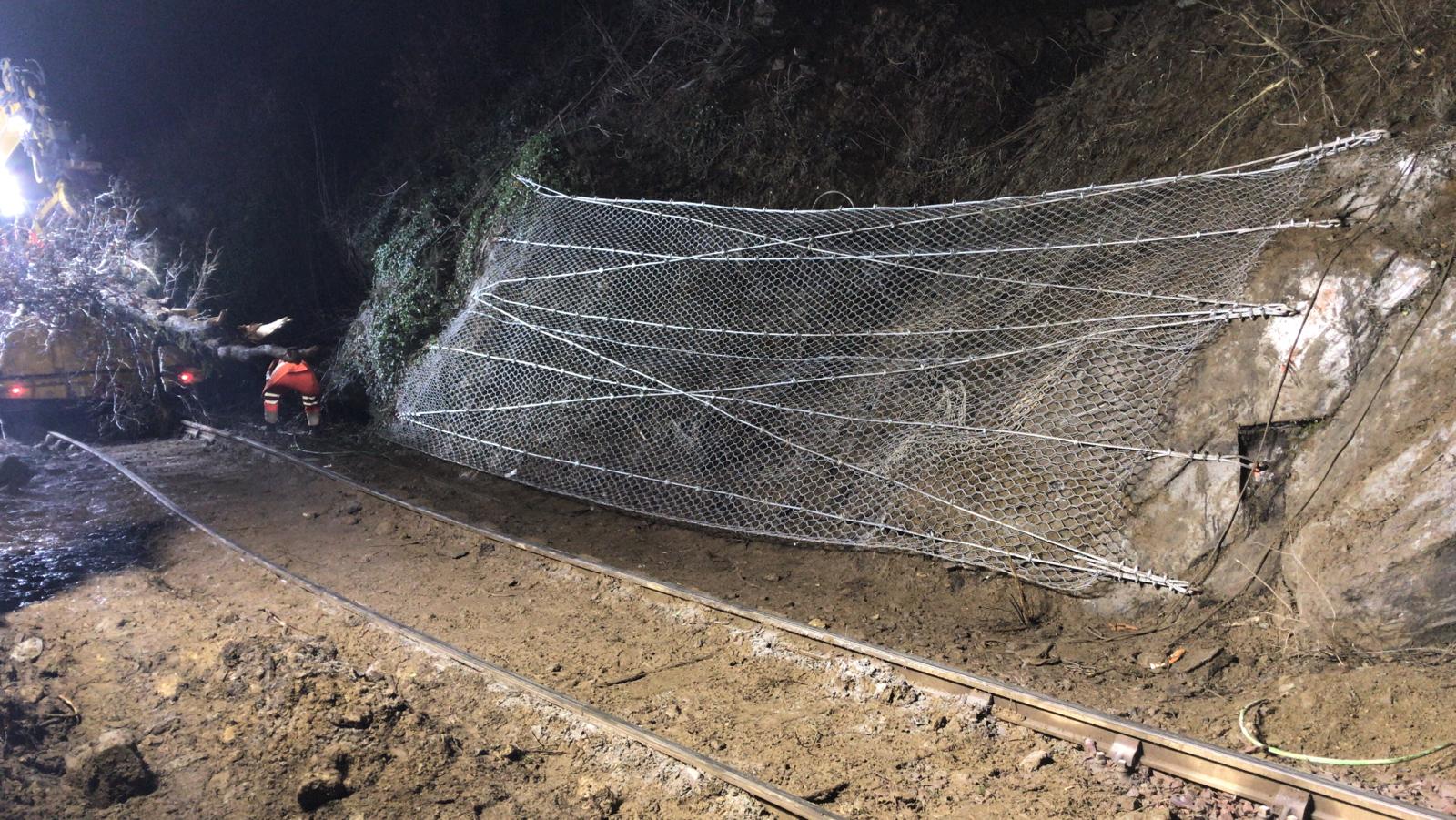
- £20m on the West Coast Mainline to proactively improve soil slopes, rock slopes and drainage systems on earthworks, reducing the risk of landslips, rockfalls or flood events.
- £2.85m on the Highland Mainline at Charleston to install improved drainage and strengthen adjacent earthworks, reducing the risk of flooding and the operational restrictions it can cause.
- £2m between Glasgow and Edinburgh to make a steep rock face beside the line at Ratho safer, reducing the risk of rocks falling onto the railway.
- £3m on the West Highland Line to strengthen a hillside above the railway at Falls of Cruachan following a landslip, supporting the railway’s long-term adaptation to more frequent and extreme weather.
- £850,000 between Aberdeen and Inverness to improve drainage at Old Kinaldie, helping the railway cope with heavier rainfall and reducing the risk of flooding.
Liam Sumpter, managing director of Network Rail Scotland, said: “Rail is central to Scotland’s economy and to the communities it connects every day. Our focus is on building a railway that people can continue to depend on and encourages more passengers and freight companies to choose rail with confidence.
“That means looking ahead and making the right long-term decisions now. By continuing to invest in resilience, we’re supporting sustainable growth and helping ensure the railway remains a reliable choice for the future.”
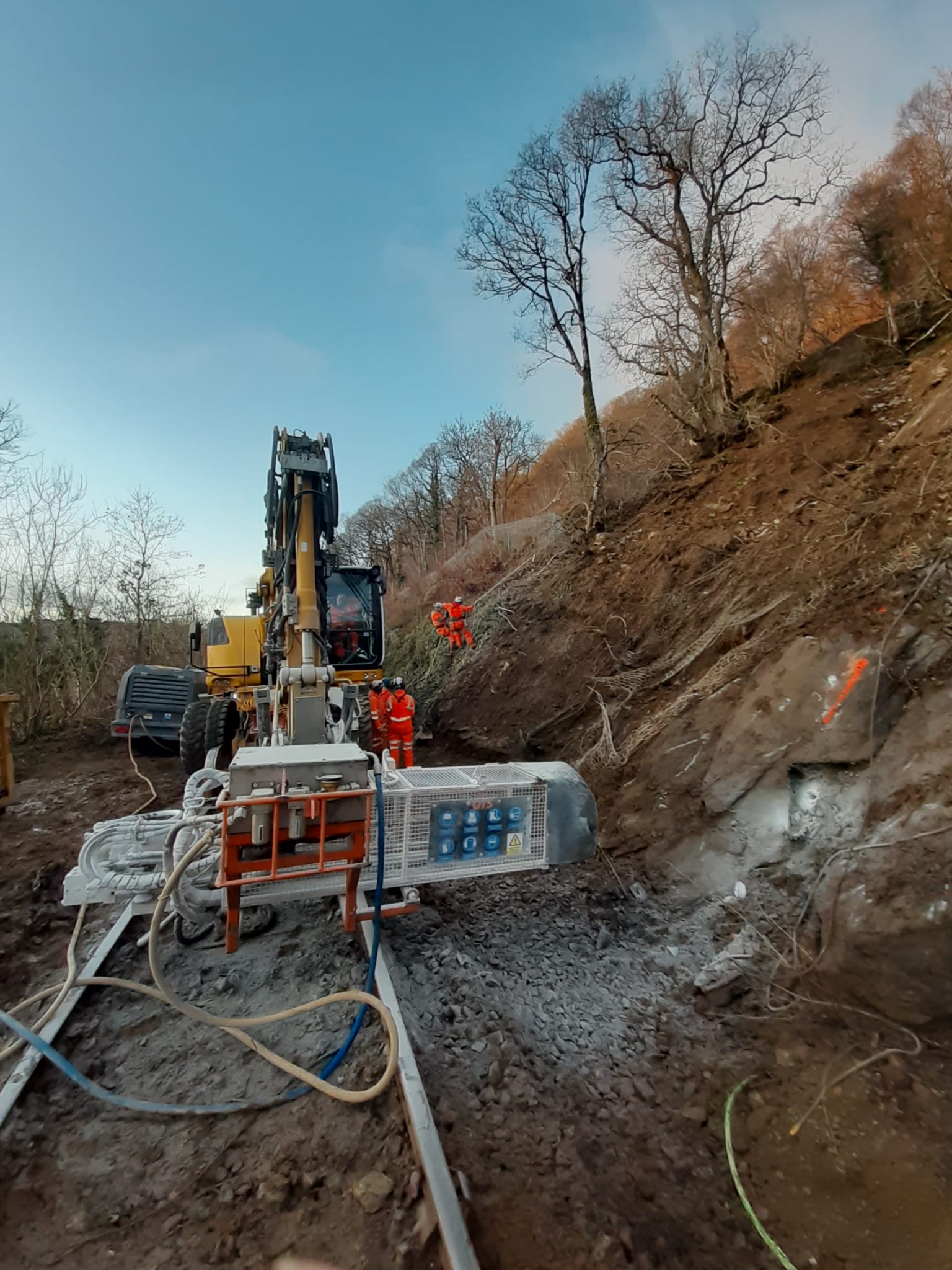
Alongside infrastructure improvements, Network Rail Scotland launched an adaptation pathways programme that combines the latest weather and climate science with the practical expertise of railway teams to identify where future resilience investment will have the greatest impact.
Network Rail Scotland also co-founded the Climate Ready Infrastructure Scotland Forum, bringing infrastructure owners and operators together to address the shared challenges of a changing climate.
David Harkin, weather resilience and climate change adaptation strategy manager at Network Rail Scotland, added: “We see first hand the impact severe weather can have on the railway. In truth, our railway was built for a climate that no longer exists, and careful planning and action are required to manage that challenge.
“Our role is to understand those risks in detail and make informed decisions that reduce disruption and improve safety. This work is continuous and is essential if we’re to stay ahead of the challenges the railway faces today.”
Image credit: Network Rail