The proposed £1.5 billion (€1.76bn) Oxfordshire Strategic Rail Freight Interchange (OxSRFI) has been accepted for examination under the formal Development Consent Order (DCO) examination process. This is a high-level planning permission used for a project considered large and important enough to be a Nationally Significant Infrastructure Project (NSIP).
Following the UK Government’s Planning Inspectorate’s acceptance of the application in April 2026, the project has now moved into this critical phase of scrutiny. The scheme, promoted by Oxfordshire Railfreight Limited (a special-purpose vehicle established by the developers, Mountpark), aims to deliver a large-scale rail-connected distribution hub. The overall development remains a significant infrastructure proposal within the competitive UK logistics market.
A new intermodal terminal just north of Bicester and the East West Rail has taken another step towards being realised. There are, however, diverse views on the development – both in favour and in opposition. Mountpark argues that the interchange will deliver substantial economic benefits to the Oxford-Cambridge Growth Corridor. Mountpark anticipates the project could generate over 9,000 jobs and contribute £361.2 million annually to the national economy.
The proposal includes a terminal linked to the Chiltern Main Line, alongside 603,850 square metres of distribution space. Supporters claim this infrastructure is essential for moving freight from road to rail, supporting a low-carbon transport network. However, that support is far from universal, as is almost always the case with large-scale logistics developments.
Planning authorities and formal scrutiny
The planning committee of the local administration, Cherwell District Council, has submitted a Relevant Representation and requested registration as an Interested Party in the Examination. While the Council remains broadly supportive of the principle of rail-led economic growth, it has formally highlighted several environmental and landscape concerns. The Council’s participation ensures these issues will be robustly tested throughout the upcoming six-month examination period.
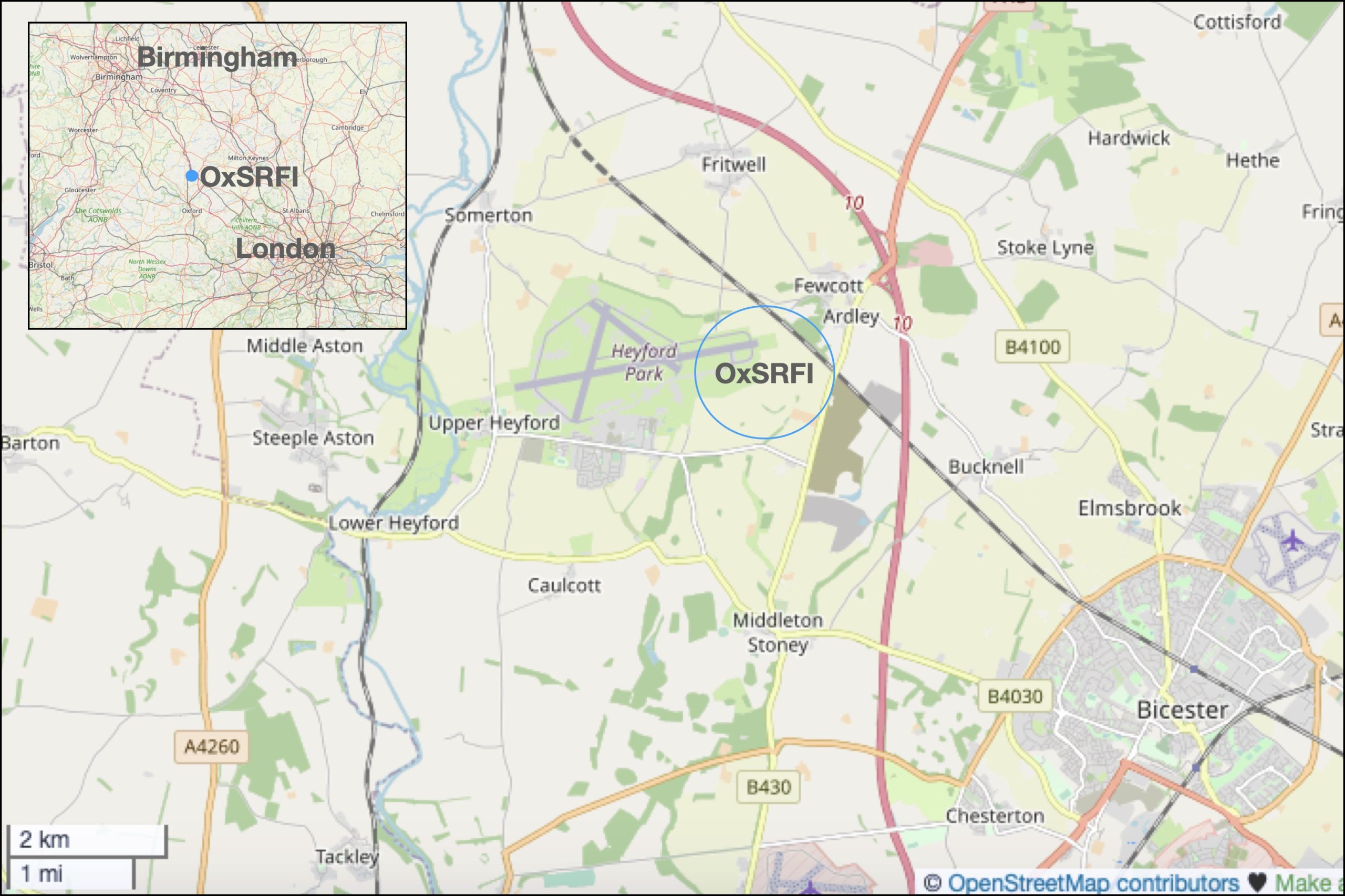
The proposed site covers a substantial area. In addition to any new rail tracks, the logistics development would include significant road infrastructure works. The Council has also raised concerns regarding the preservation of historic landscape character and the impacts on local tranquil areas.
Environmental opposition intensifies
Environmental campaigners have also moved to challenge the scale and necessity of the project. The Oxfordshire branch of the influential Campaign for the Protection of Rural England (CPRE) has formally registered its opposition. CPRE has questioned the fundamental justification for the scheme. The organisation argues that the proposal functions primarily as a massive warehousing and road-development project. While they support the principle of rail freight, they contend that this specific application does not provide sufficient environmental justification for the loss of agricultural land and veteran trees.
The debate underscores a growing tension between national logistics requirements and local environmental protection. Critics argue that the proposed mitigation measures and potential for modal shift are inadequately assessed against the project’s physical impact. The examination phase will now require the developer to defend these technical projections. Stakeholders are particularly focused on the effectiveness of highway mitigation and the long-term impact on the surrounding countryside, as well as the scheme’s actual carbon reduction credentials.
Operational focus and future milestones
The application reveals a deep integration with industry partners. The developers specifically identify GB Railfreight’s involvement in the design and approach to the terminal. GB Railfreight, which is currently testing its smart new Class 99 locomotives, has been closely involved in the terminal’s design, and its supporting statement says it has an agreement with Oxfordshire Railfreight Limited to operate the proposed terminal. Operational details remain a focal point, with the project noting links to deep-sea ports like Felixstowe and London Gateway. Network Rail’s assessment of network capacity and the proposed connection will also be important to the terminal’s eventual operation.
The Planning Inspectorate is now coordinating the programme for the examination, with a formal schedule expected to begin later this summer. Following the conclusion of the six-month examination, the Inspectorate will spend up to three months forming a recommendation. The final decision rests with the Secretary of State, but Mountpark anticipates a conclusion in mid-2027. This process will ultimately decide if the project meets the required standards for a Nationally Significant Infrastructure Project.