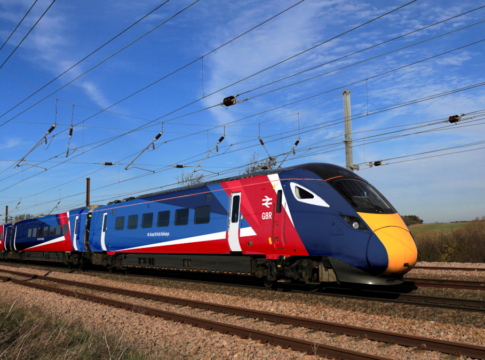
A new briefing by The Future Governance Forum (FGF) warns that without a clearly defined purpose, strong institutional foundations, and meaningful operational autonomy, Great British Railways (GBR) risks falling short of its potential to become a durable, long-term institution. The paper is published ahead of MPs debating the Railways Bill as it returns to the House of Commons this week (Wednesday 3 June).
When GBR is up and running, it will be the third largest public sector employer in the country after the NHS and the armed forces. This ambitious programme of rail reform has the potential to bring about major change, not just for rail itself, but through the wider economic and social benefits it could unlock. But a change of ownership alone will not necessarily guarantee a better railway.
FGF’s new paper, published on Monday 1 June, sets out the interim findings of its ‘setting up Great British Railways for success’ project, sponsored by Network Rail. Based on engagement with over 60 industry leaders, policymakers and rail experts, the report’s headline recommendation is that GBR needs a clearly defi ned purpose and, from that, a deliberate approach to instilling a new organisational culture.
Almost none of the experts spoken to for the project think such a purpose has been clearly articulated yet. Getting this right is an essential first step, from which organisational objectives, institutional culture, and major policy decisions can flow.
Other recommendations in the report include:
- Avoid political micromanagement. Ensure the new organisation has an appropriate level of operational autonomy – and aim for better, not more or less, regulation.
- Go with the grain of devolution. Ensure rail reform is ‘done with’ rather than ‘done to’ nations and regions.
- Tell a stronger story. Boost awareness in Westminster and among the public with a compelling story about how these changes will improve passenger experience, boost growth and unlock opportunity.
Adam Terry, deputy director at The Future Governance Forum, said: “The question around reforming Britain’s railways is not whether to do it, but how. The government’s aim to bring the railways back into public ownership is ambitious and popular; now they have to make it work.
“It is a complex task with huge operational and political stakes. Done right, the government has an opportunity to bring about major change, not just for the rail industry, but across society through the wider social and economic benefits that could be unlocked.
“Success won’t happen automatically with a change of ownership and a new paint job. The hard yards start now: creating the right relationships, internal culture, overarching purpose and governance arrangements that will allow Great British Railways to succeed for decades to come.”
Image credit: Network Rail