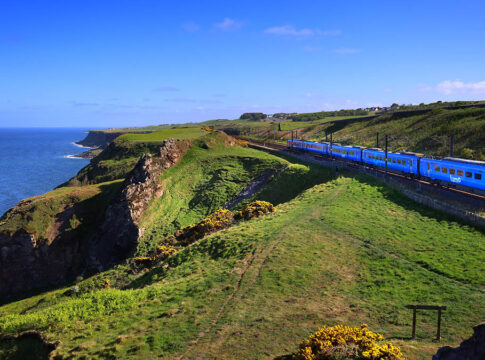
The project to fit equipment for digital in-cab signalling to the iconic High Speed Trains (HSTs), which form a major part of Britain’s railway story, is setting new standards for delivering vehicle retrofitment.
The third unit in a schedule of 16 Class 43 power cars being fitted with ETCS (European Train Control System) equipment, has now been returned to owner RailAdventure UK just eight weeks after being presented for the work at UKRL’s facility in Loughborough, the former Brush locomotive works. The fourth unit is anticipated to be completed shortly also within an eight-week timescale.
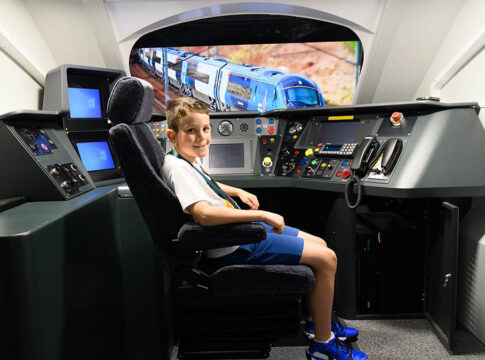
The eight-week vehicle retrofitment is the quickest turnaround of a digital fleet upgrade delivered so far as part of the £1.4 billion East Coast Digital Programme (ECDP). ECDP will transform rail operations by replacing traditional, lineside signals with continuous information displayed inside drivers’ cabs, delivering a more reliable, greener and even safer railway.
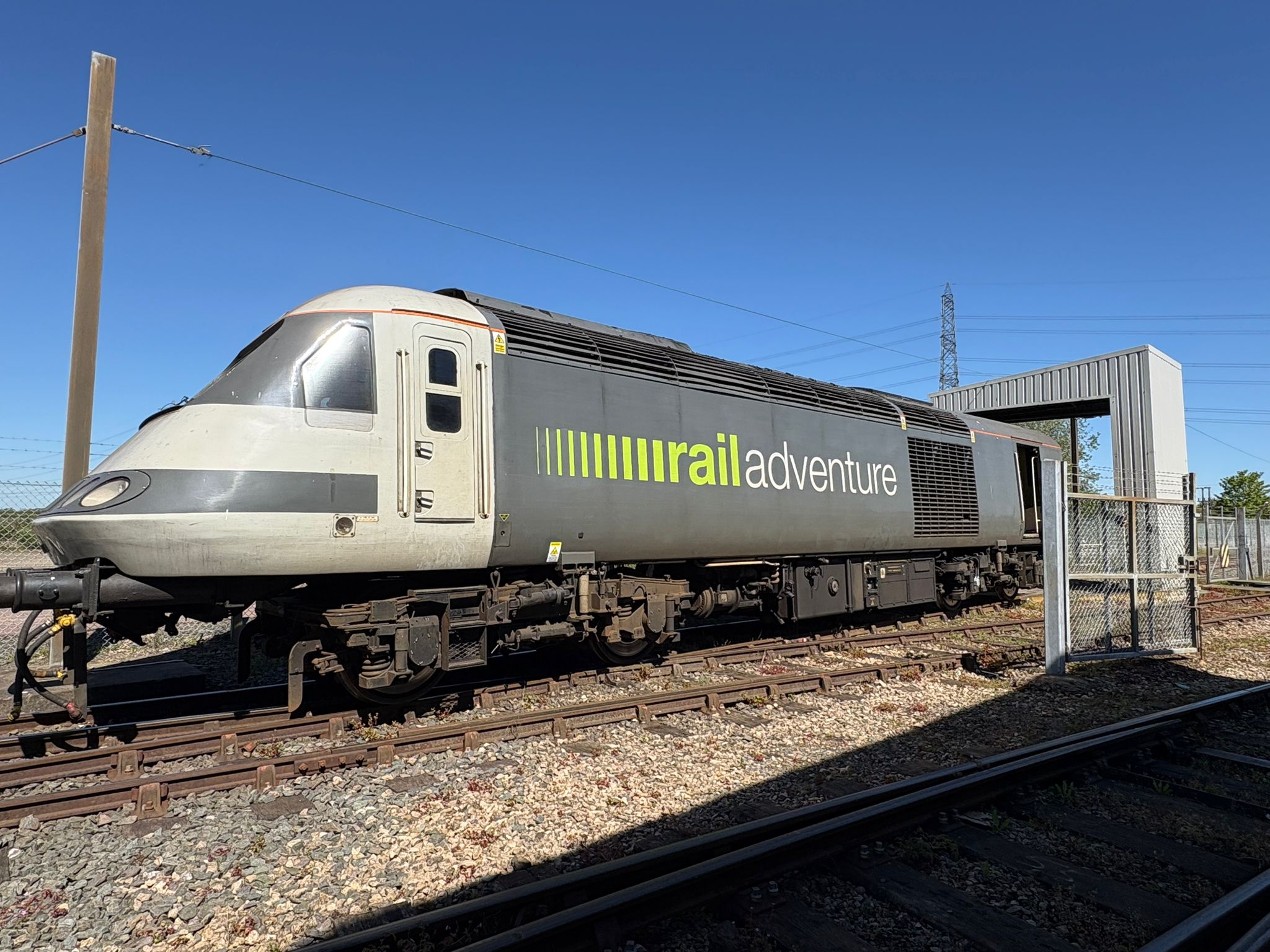
The four power cars belong to RailAdventure, a specialist European freight operator, and are used for freight, rolling stock movements and charter services. Learnings taken from challenges faced during the fitment of the first two vehicles enabled the rapid progress with the next two, and have set a standard that ECDP aims to continue and improve upon with other regular vehicle retrofitments with other regular vehicle retrofitments (those not part of First in Class).
The next four units to undergo retrofitment belong to Locomotive Services Limited (LSL) and are used for private charter trains. The first of these has already arrived at Loughborough.
Ben Mason, charter and heritage lead for ECDP, said: “ECDP is all about learning by doing. We’ve had to re-learn how we retrofit older generation trains, and create a more streamlined and efficient assurance process.
“Hitachi and their fitment teams have really turned it around. We’re now in a strong place to quickly deliver the remaining 12 Class 43 units, using an efficient productionised process and avoiding unnecessary duplication. The significant progress we’ve made is all down to teamwork and collaboration.”
Paul Maynard, vice president, integrated communications supervision, Hitachi Rail, commented: “The pace of progress on the Class 43 programme has been a real turnaround and reflects the strength of collaboration across the project between Network Rail, the vehicle owners and operators, and the wider delivery teams.
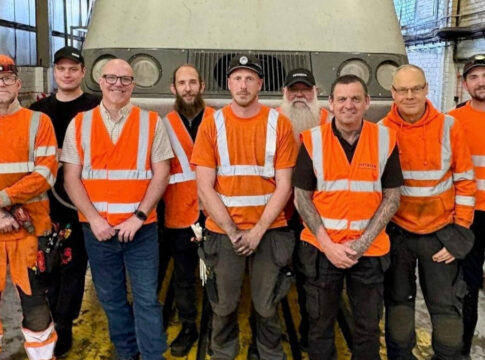
“Alongside the wider programme progress, huge credit goes to the installation and test teams on the ground, whose hard work, adaptability and attention to detail have been instrumental in making this productionised retrofit approach a success. The way teams have worked together to solve challenges in real time and maintain momentum has been key to getting us where we are today.”
The team involved is working to secure regulatory approval to place the Class 43s into regular service using ETCS, and the aim is to have them operating using digital signalling between Welwyn and Hitchin from later this year.
Image credit: Network Rail