Network Rail is strengthening its ability to respond quickly and safely to incidents across its East Midlands route thanks to the growing use of drones.
Drone flights have saved the route £100,000 since September 2025 through benefits such as improved productivity and avoiding line blocks.
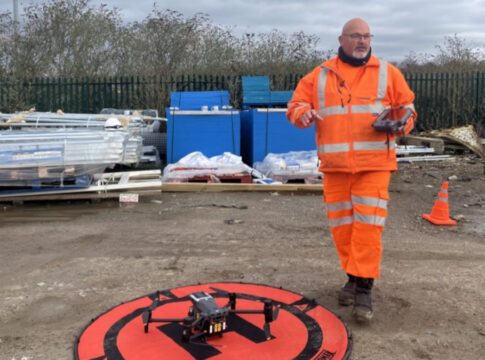
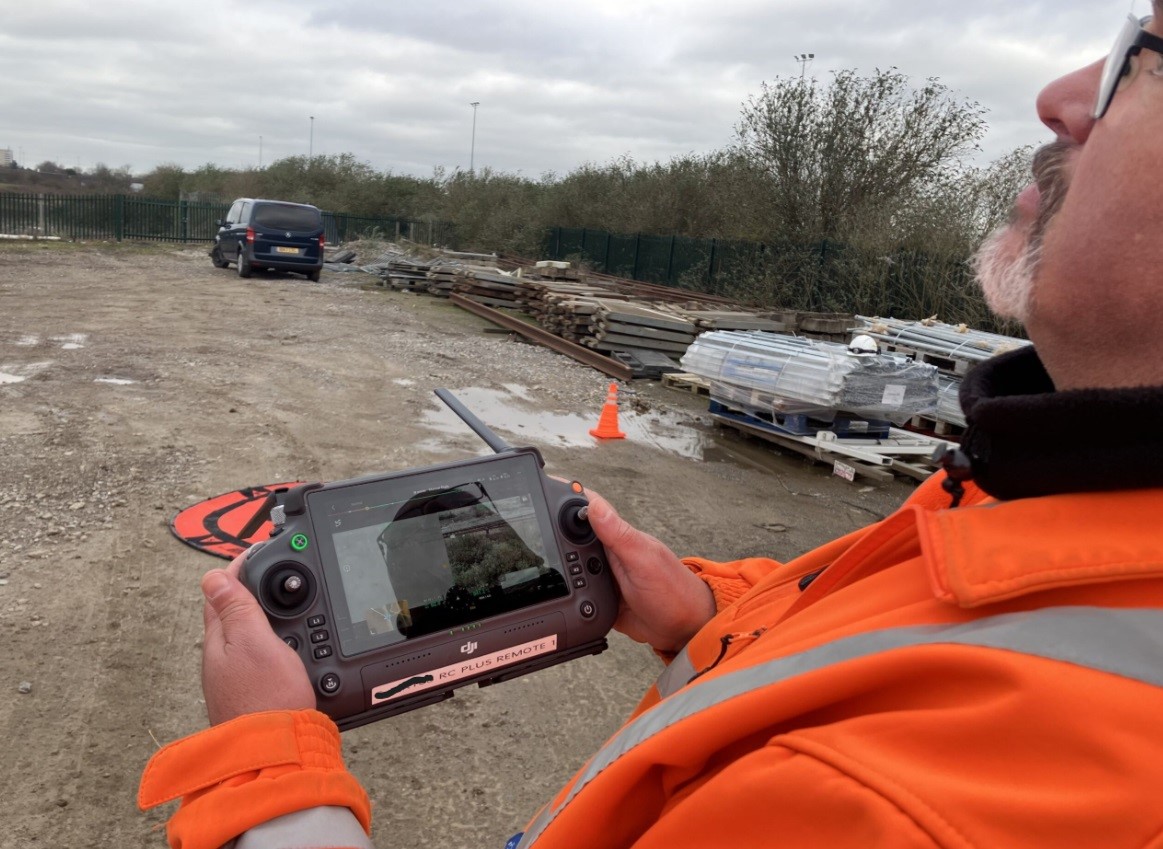
The route currently has three trained drone pilots among its mobile operations managers (MOMs), and they are deploying the flying devices more often to support the safe and reliable operation of the railway.
Over the last 90 days, the pilots flew more than 500 minutes on planned and emergency tasks – helping teams to assess incidents faster, reduce train service delays and minimise risk to colleagues on the ground.
Drones are being used to support a wide range of railway incidents, including:
- Lineside fires – where infrared sensors can assess the temperature of overhead line equipment, helping teams determine quickly whether it is safe to restore power.
- Trespass and animal incursions – recent flights in Nottingham enabled pilots to confirm the line was clear without blocking train services, while a drone deployment in Mansfield helped track the movements of an individual on the tracks and intercept them safely as they exited the railway.
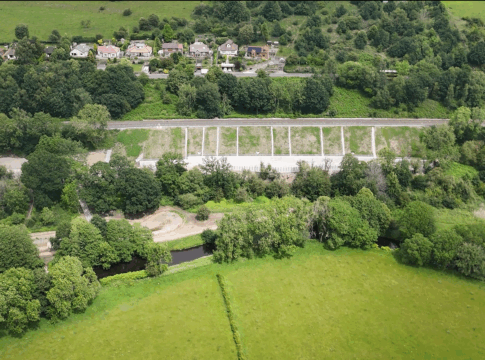
- Flooding assessments – providing rapid aerial insight into how floodwater is affecting key routes, such as at Draycott. On average, using drones halves inspection times and can save the route around £2,000 per assessment.
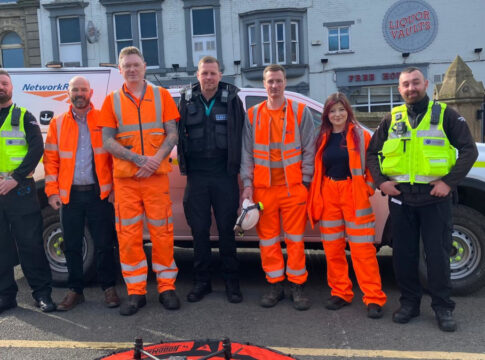
A programme of emergency flight tests, simulating scenarios such as trespassers on the network, was carried out in Derby on Monday 2 March to further boost the pilots’ confidence in using their drones during live incidents. The additional training, which included exploring new features useful for search and find operations, has helped pilots feel more confident, capable and ready to respond.
Dan Matthews, Network Rail operations director, said: “Emergency drone flight tests enhance our operational capability to respond to incidents, helping us to deliver a safe and reliable railway for our passengers and colleagues.
“With delays from trespass becoming one of the most significant causes of disruption on the railway – over 1.5 million delay minutes across the network last year – drones offer a game-changing speed of response.
“By surveying the railway safely, our colleagues can be directed to potential incidents quickly, rather than having to walk miles along the railway to find them. This means a safer working environment for our teams, while vastly speeding up the process.”
Image credit: Network Rail