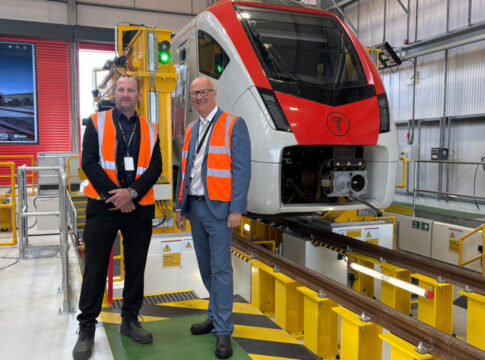
Therapia Lane, where London Trams are based, has become Transport for London’s first depot to remove fossil gas usage by upgrading its heating system. It has also introduced on-site solar generation.
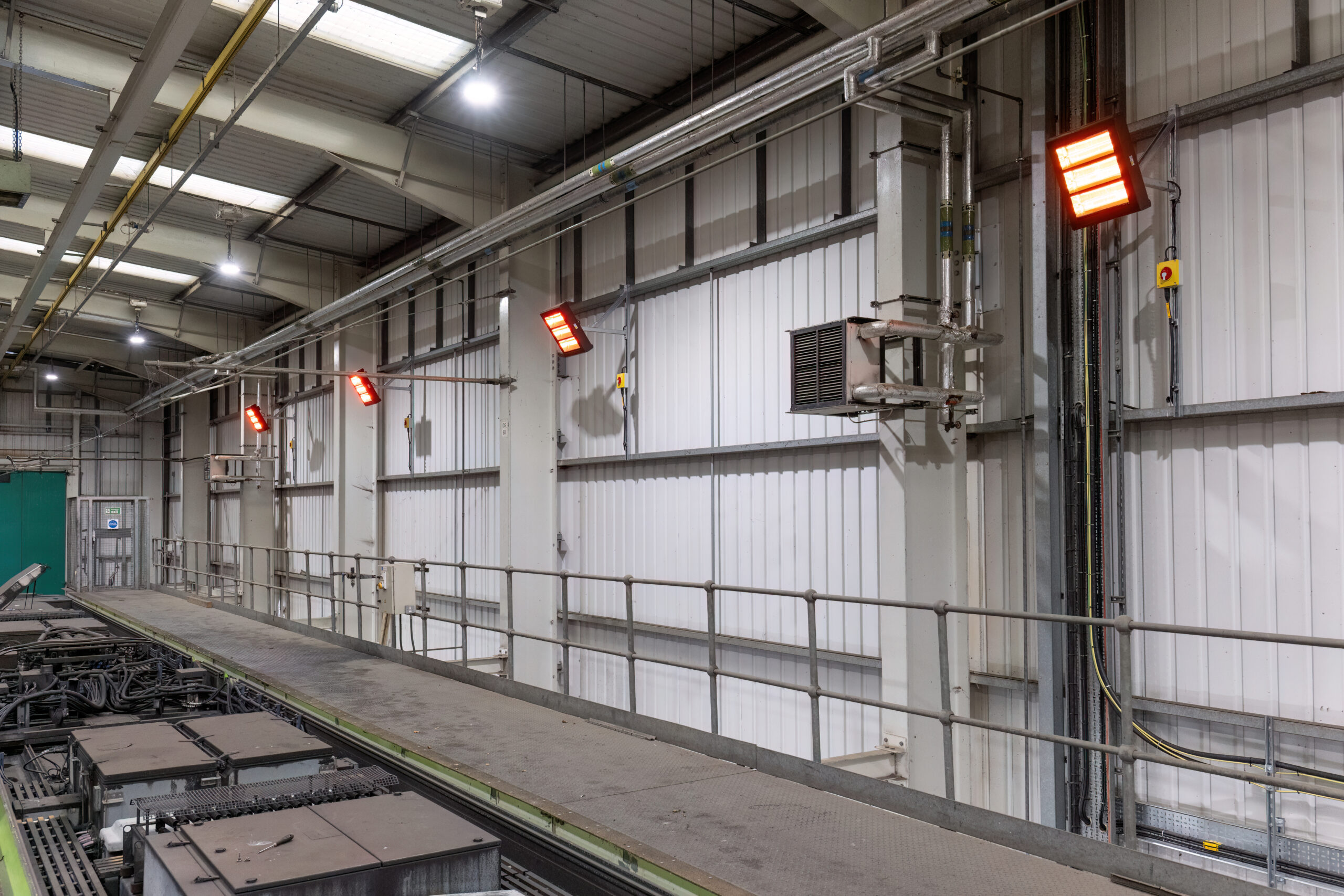
By adapting the depot in its biggest overhaul since it opened 27 years ago, the new heating and power system prepares the site for the future and ensures operational sites play a role in reducing climate change impact. The heating system has been modernised with a range of low-carbon, electric heat pumps and infrared panel heaters, replacing the unsustainable fossil fuel gas boilers. The infrared panel heaters target areas where staff work most, minimising ambient heat loss and achieving higher energy performance compared to traditional central systems. The heating system upgrade has enhanced hot water delivery through the installation of energy-efficient, on-demand electric water heaters.
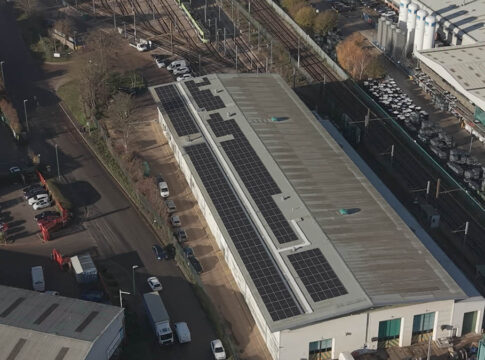
The additional electricity consumption from the new heating system will be offset by using 1,800m2 of solar panels on the roof of the depot, which will generate 187 kWp of energy. Energy savings will come from energy efficiency measures such as improved insulation and LED lighting, which will also create a better, brighter, and more comfortable working environment for staff. The measures are expected to cut carbon emissions by around 183 tCO2e annually – similar to the emissions from a modern housing development[1] – delivering significant long-term sustainability benefits alongside operational cost savings. Work at Therapia Lane, carried out in a live operating environment working around the clock, will also help inform efforts to decarbonise other active operational buildings on TfL’s estate as well as depots across the country.
Mete Coban, Deputy Mayor of London for Environment and Energy, said: “It’s fantastic news that Therapia Lane depot has become TfL’s first depot to remove fossil fuel gas usage by upgrading its heating system and installing hundreds of new solar panels.
“This green transition will help improve energy efficiency and save money, showing that sites like this have an important role in reducing the impacts of climate change.
“The Mayor and I will continue to work with partners to ensure we can deliver a greener and fairer London for everyone.”
Lilli Matson, TfL’s Chief Safety Health & Environment Officer, said: “The decarbonisation of Therapia Lane depot, one of the busiest operational spaces in south London, shows that it is possible to eliminate the use of fossil fuels from large, complex buildings as it runs on fully electric infrastructure. It is vital we invest now in making our operations cleaner and greener to reduce our emissions and build the next generation of green skills, further supporting the Mayor’s ambition of a carbon neutral capital by 2030.”
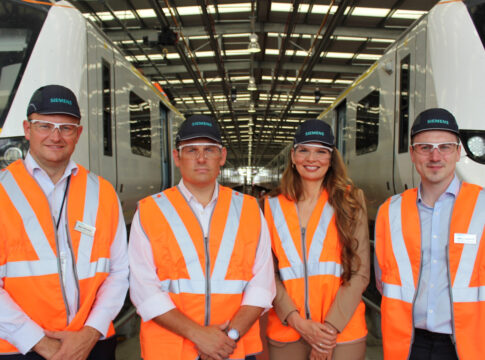
The upgrade at Therapia Lane depot is also helping the wider industry close the green skills gap through net-zero placements. TfL and supplier Vital Energi are investing in the next generation of net-zero apprentices and graduates to help meet the UK’s net zero target and tackle climate change through working on TfL’s modernisation and decarbonisation projects.


Kyrel Rose, a Building Services Engineering apprentice on the project, said: “Whilst working on the Therapia Lane trams depot project, I gained first-hand exposure to a live rail infrastructure environment, whilst gaining a better understanding of how design, construction, and operational requirements come together on a large transport project. My awareness of site safety procedures has improved and how works are planned around an active operational environment. It also gave me valuable experience linking drawings and design intent to what is installed on site, which helped reinforce engineering principles in a real-world context.
“The site tour was a personal highlight, particularly seeing the job come towards completion, how much work has been put in to meet deadlines and the vast change there has been.”
The project was part funded by the Government’s Public Sector Decarbonisation Scheme as well as the Public Sector Low Carbon Skills Fund. The funding is delivered by Salix and run by the Department for Energy Security and Net Zero. Whilst the Public Sector Decarbonisation Scheme helps fund energy efficiency works, the Low Carbon Skills Fund has funded heat decarbonisation plans and design. As part of efforts to accelerate decarbonisation under the fund, major upgrades including air and water source heat pumps, LED lighting and using smart sensor technology to adjust ventilation, cooling and heating levels in real time at TfL’s main head office Palestra House are in the process of cutting fossil fuel reliance and reducing carbon emissions by more than 1,500 tonnes annually. Similar technology is planned for other offices above stations like Aldgate, Baker Street, Oxford Circus and Victoria.
Martin McCluskey, Minister for Energy Consumers, said: “This project shows how clean power is benefitting communities across Britain – creating skilled jobs and strengthening our public services with the potential to create savings that can be invested into improving services for passengers.
“It is a prime example of the vital part that facilities like Therapia Lane will play in our clean energy transition.”
Scott Lutton, Vital Energi’s Regional Director, said: “We’re proud to have delivered this landmark project at Therapia Lane, which demonstrates how operational sites can transition away from fossil fuels without compromising performance. By combining advanced electric heating solutions with on-site solar generation, we’ve created a system that is both energy efficient and future ready. This project not only cuts carbon emissions, but also sets a blueprint for decarbonising similar facilities across the UK. In partnership with TfL we’re delivering decarbonisation projects across their estate and accelerating their journey to net zero, while developing the green skills that will power a sustainable future.”
Ian Rodger, Salix’s Director of Public Sector Decarbonisation, said: “Transport for London has made great strides in its net zero journey and these major energy efficiency upgrades which reduce emissions, are not only about cleaning up our environment, but they are about saving bills and reducing costs in the long term.
“Removing the need for fossil fuels is a giant step forward and we look forward to seeing what next for Transport for London as it continues to decarbonise its services.”

Katherine Etheridge, Institute of Civil Engineers Regional Director, London, South East and East of England, said: “Decarbonising London’s built environment and retrofitting the city’s transport infrastructure are important steps towards meeting the country’s Net Zero 2030 goal. TfL’s effort to decarbonise its assets will help future proof London’s transport system and make it more resilient for future generations. It’s encouraging to see decarbonisation efforts reaching fruition through projects like this and the ICE looks forward to working with TfL and other bodies to continue to share knowledge to equip engineering professionals to reduce carbon emissions.”
The upgrade of the Therapia Lane depot is just part of TfL’s wider work to further decarbonise London’s transport network and adapt its systems to reduce the impacts of climate change. As one of the largest consumers of electricity in the UK, TfL has entered a Power Purchase Agreement that will see a solar facility built to generate about 80 Gigawatt hours (GWh) of electricity per year when completed – enough clean power to run both the DLR and Tram network for 15 years. TfL has also launched a private wire tender to receive zero-carbon electricity from solar farms connected directly to the London Underground network, bypassing the central grid. This could generate up to 64 megawatts (MW) of electricity in the long term. The outcome of the tender will be announced once the process completes.
TfL is also working to further reduce its environmental impact across its wider network by upgrading lights to use LEDs to reduce electricity consumption, as well as improving biodiversity and delivering other forms of green infrastructure such as 390,000 square metres of wildflower verges on its road network. It is also maintaining and developing urban greening features, especially in outer London where there is more greenery, which can support better drainage and reduce flooding.
[1] Saving 183 tonnes of CO₂ annually is equivalent to the emissions from around 82 UK households, based on 2024 government data. For context, a modern housing development like the Grade II-listed Meridian House in Greenwich is expected to accommodate 73 households under its latest proposal.
Image credit: TfL