There are many examples of closure, reinventing and repurposing of rail lines. This is the second in a series of blogs exploring how reuse of existing and abandoned infrastructure supports the creation of new services by examining the development of state-of-the-art freight services at Seaforth Docks on Merseyside.
Post-war, freight services were in a state of turbulence. The 1947 Transport Act aimed to nationalise both the railways and road hauliers to create British Road Services in an integrated approach to goods, based on the existing systems of trains, docks and vehicles operated by the big four railway companies. Progress on this plan was impacted by the introduction of four Railway Boards and cancellation of plans to privatise road haulage in the 1953 Transport Act. Financial losses on the railway and reliability of early diesel engines added to the challenges of modernising freight. In the 1960s articles in the BR L.M.S Staff Magazine described transformation of goods handling through a Freight Traffic Plan and the need for the railways to address the challenge of handling coal traffic that had been moved to road haulage due to capacity issues.
The British Railways Traffic Survey shared with staff in the July 1962 BR Regional Magazines described a further reduction in goods traffic. ‘The Man on the Line’ opinion piece commented on the reaction to the decline in both passenger and goods traffic in response to concerns raised by railway staff.
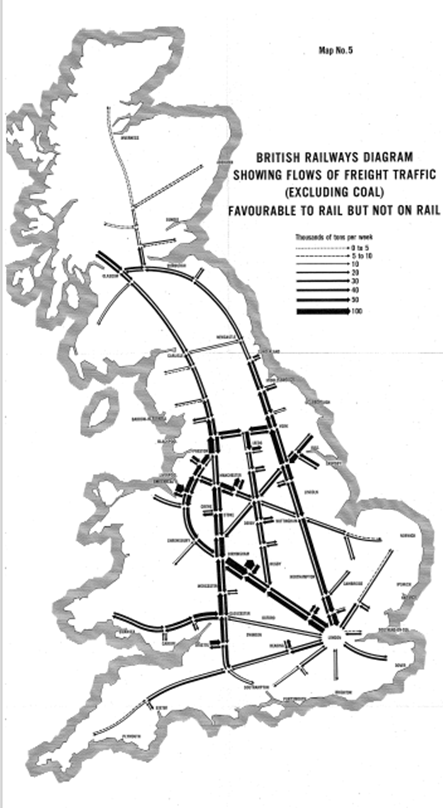
The next edition of the magazine updated readers on the work underway to fight back and attract freight onto the rails. It identified that only 27% of potential traffic was using the rail network. The BR Modernisation Plan aimed to solve these problems by closing smaller freight depots and marshalling yards, creating mechanised and automated strategic centres where bulk freight traffic was loaded onto longer trains. Whilst this worked well for some businesses, like cement and grain, the loss of local yards and use of larger lorries led to a greater use of road haulage for small consignments. In the late 1960s BRs transition to containerisation under the Freightliner brand started to show a profit, but business from smaller consignments continued to decline.
The situation on Merseyside reflected the wider decline in goods traffic. Freight had been central to development of the port in Liverpool and there were extensive rail links to the docks for freight, passengers and workers.
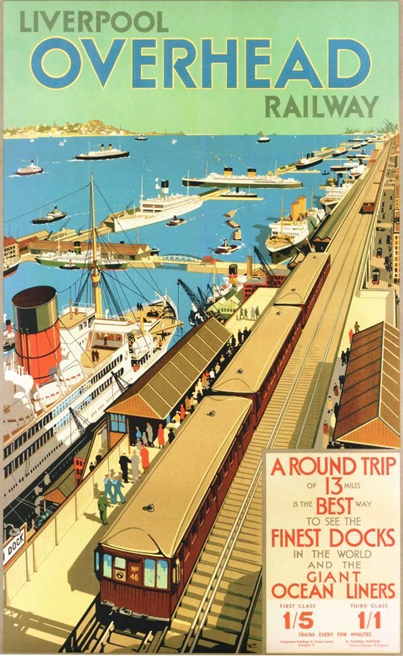
Liverpool Overhead Railway provided a passenger service to all docks until 1956, eventually closing because it was unable to cover a £2m bill to repair the iron viaducts. The rail freight network in the docks contracted as goods traffic was moved to road haulage and the general level of freight arriving reduced post war as ships moved to containerised ports. However, the modernisation of the docks and creation of Seaforth Container Terminal provided new opportunities to reuse lines and create a state of the art railhead.
The Canada Dock Branch from Edge Hill opened in 1866, with the opening of intermediate passenger stations in 1870 and 1882, a branch to Alexandra Dock in 1880 and a connection to the Liverpool – Southport line in 1886. However, by 1948 all passenger stations had been closed as demand fell in response to competition from more direct Tramway services and damage caused during the Second World War. In 1977 the new Merseyrail network provided an alternative connection and the few remaining Liverpool Lime Street services ceased.
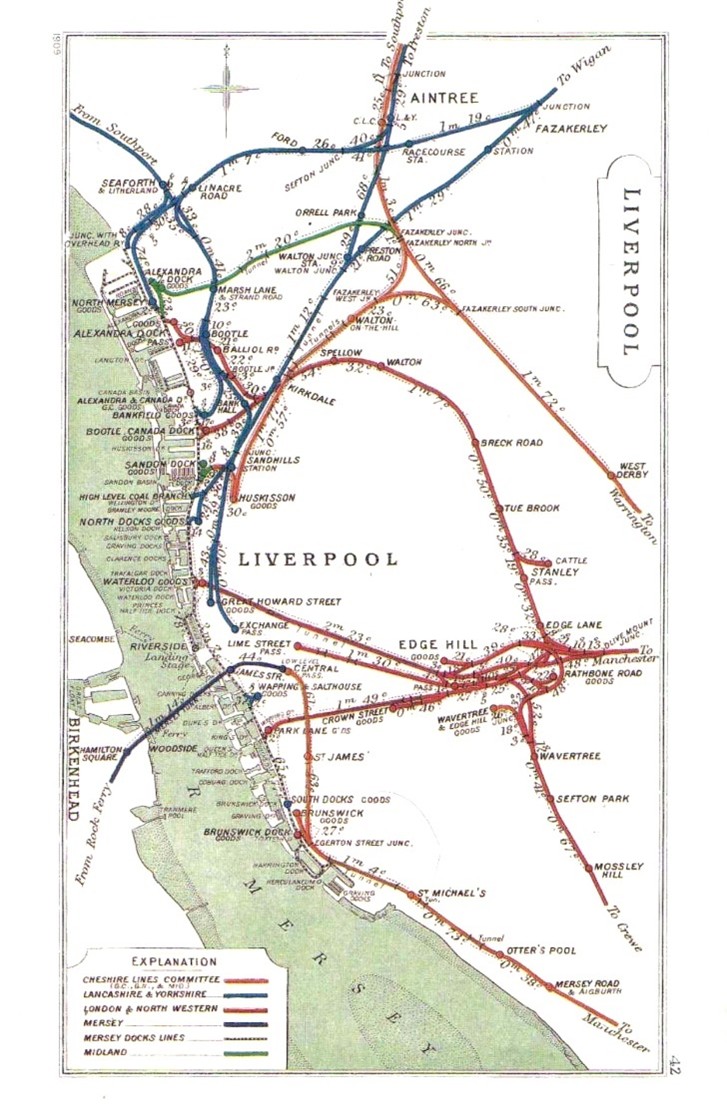
Liverpool Bulk Terminal opened in 1993 at Alexander Dock, supplying coal for the Power Station at Fiddler’s Ferry until 2015. Rail Privatisation News, a new magazine dedicated to covering the privatised rail network, reported in 1996 about the creation of Railfreight and competitors and their plans to deliver improved freight services. These new companies became part of the reinvigoration of rail traffic to the Port of Liverpool serving new customers.
Improvements and investments have increased capacity to allow more frequent and longer goods trains through what is now the only railhead in the Port of Liverpool. These included doubling freight capacity to the West Coast Main Line through the 2008 reopening of the disused Olive Mount Cord at Edge Hill to support the Royal Seaforth Container Terminal in 2016. In the face of shortages of lorry drivers and pressure on southern ports after the pandemic, goods were moved from Liverpool Docks to Railfreight hubs in the Midlands.
In 2020, Railstaff magazine reported on the extension of the GB Railfreight contract to deliver 3 million tonnes of sustainable biomass to Drax Power Station in North Yorkshire from Liverpool every year. Peel Port lengthened this railhead to handle longer trains in 2023 and manage increased demand.
Now part of Liverpool Freeport, the docks may have limited rail network compared to the one in place historically, but the modern railhead employs underused and abandoned infrastructure, enhanced with the latest technology to remove 20,000 lorries per day from the already congested road network of North West England.
Preserving Stories of Railway History
Many people fondly remember the Overhead Railway, Liverpool Central and Exchange and the freight lines to the docks. The stories in this and the previous blog demonstrate how the rail network on Merseyside has evolved to meet the changing needs of the city over the last 60 years through reuse and reinvention.
These stories of a constantly changing and modernising goods and freight service using new technologies, longer trains and updated infrastructure a fascinating and less well understood part of more recent railway history. New Hall at Locomotion seeks to address the significance of coal, industry freight transportation, combining a range of freight vehicles with oral histories and historic film clips and graphics that bring the collection to life. What would you like to see included to represent the evolution of freight from the 1950s through nationalisation, privatisation and modernisation as this collection evolves to include the developments of the last 75 years and those still to come?
The next blog in this series will move south to sunny East Devon to examine what happened when the branch lines were closed in the 1960s.
The post Rail Reinvention in Liverpool Part 2: Seaforth Container Terminal Branch appeared first on National Railway Museum blog.