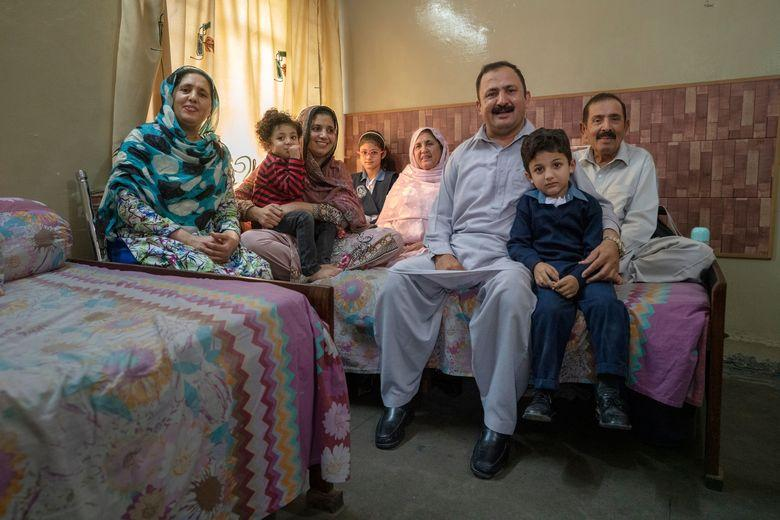
First-cousin marriages in Bradford have been identified as a significant factor in higher rates of childhood health issues, including birth defects, developmental problems, and increased hospital visits, though the absolute risk remains low. Studies, such as the Born in Bradford project, show these risks in children of related parents compared to those in the general population. While historically common to preserve family ties and wealth, changing social dynamics and increased awareness of health risks are leading to a reduction in the practice within Bradford’s communities.
Health Impacts
- Higher Rates of Birth Defects:Children of first cousins in Bradford have a higher risk of congenital anomalies, such as heart and nervous system problems, compared to children whose parents are not related.
- Increased Health Challenges:Research indicates that children of first cousins have higher probabilities of developing speech and language difficulties and more frequent primary care appointments.
- Significant Factors:A 2019 safeguard report found that cousin marriages were a significant factor in the deaths of children in Bradford, with a much higher proportion of deaths attributable to genetic and congenital anomalies than the national average.
Community Context
- Cultural Practice:First-cousin marriage is a traditional practice in some South Asian communities in Bradford, often to keep wealth and property within the family.
- Changing Trends:A growing number of young people in the community are less inclined to marry a cousin, preferring to find partners from outside their extended family.
- Factors for Change:Increased awareness of the health risks associated with cousin marriage, changing immigration rules, and the availability of more diverse social networks are contributing to fewer such marriages.
Expert and Public Response
- Calls for Awareness:Experts and policymakers have emphasized the need for increased genetic literacy and awareness campaigns to inform people about the risks.
- Cultural Sensitivity:There is a push for culturally sensitive approaches to address the issue, focusing on education and acculturation to reduce rates of consanguinity over time.
- Debate on Intervention:While some propose banning cousin marriage, others argue that it would be ineffective and represent an attempt at eugenics, a position that suggests it’s not a primary approach for addressing the problem.



One thought on “First-cousin marriages in Bradford have higher rates of childhood health issues”