The specialist constabulary, British Transport Police, is facing an £8.5 million (10 million euros) funding shortfall for 2025–26. Management stands accused of forcing through cuts that trade unions call reckless. Several BTP station offices are earmarked for closure, jobs are under threat, and specialist units could be disbanded. All that, say the unions, is criminal. They say the safety of freight, passengers and railway staff are all being put at risk.
Rail unions, specifically the RMT, warn that the impact will stretch far beyond personal safety. Vandalism, theft, trespass, and fly tipping already blight freight routes and terminals. The fear is that reduced policing will embolden offenders, raising costs and disruption for operators and infrastructure managers.
Closures leave huge gaps
Last week, railtech.com reported that thirteen BTP stations are due to close by April 2026, including Carmarthen, Grimsby, Lancaster, Middlesbrough, Southport, Stoke, and Taunton. In Scotland, Dumbarton, Dundee, and Perth will lose their presence entirely, leaving large parts of the country with little or no coverage.
The consequences are stark, say the unions. Rail staff already working alone, often late at night, face the prospect of no immediate police support. Freight corridors in rural areas will also be left exposed, creating opportunities for theft and trespass that undermine operational reliability and security.
Jobs and specialist units axed
Up to 600 jobs are on the line, including 200 currently filled roles. A further 300 civilian support posts could also go. One of the biggest blows, say the unions, is the disbanding of BTP’s workplace violence coordination unit, which is dedicated to tackling abuse and assaults on staff. Its work will either end or be spread thinly across other departments.
Rail unions say this amounts to removing the one body that properly addressed violence in the workplace. Issues of staff safety are not confined to passenger operations. Incidents, like the attacks on trains in the East Midlands earlier this year, can just as easily target freight movements. For freight operators, the prospect of losing specialist policing units raises fears of longer response times to incidents at yards and terminals.
Crime on the rise
The cuts come as crime on the railway is rising sharply. BTP forecasts a 27% increase between March 2025 and March 2026. Assaults have already reached 9,542 in the most recently recorded year, up 50% on pre-pandemic figures. Yet regular patrols are now rare, with officers often only able to attend the most serious emergencies.
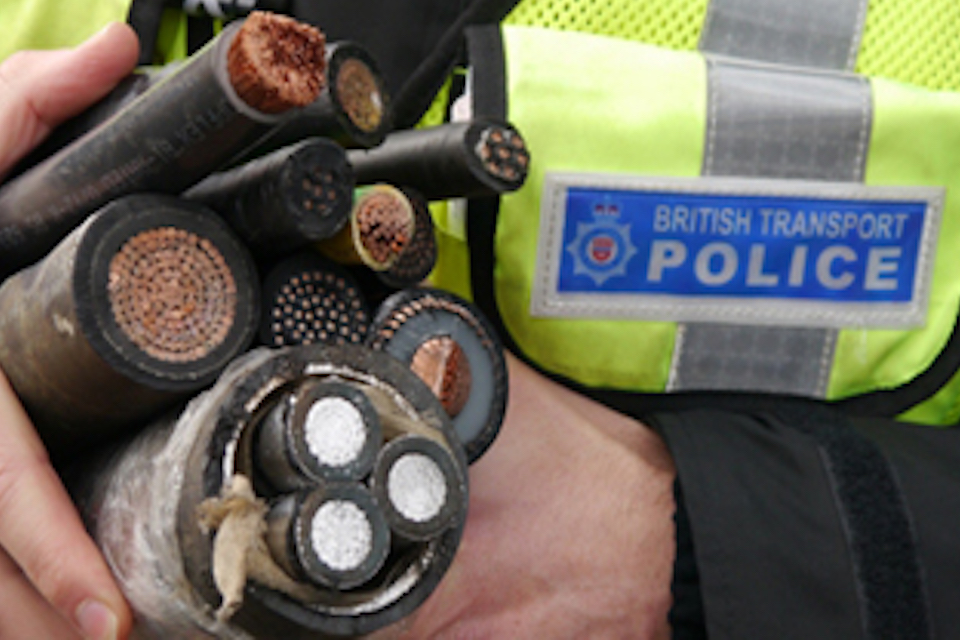
Freight operators report increasing incidents of cable theft, trespass, and fly tipping. RMT say that without a visible policing presence, these problems will escalate. “Each incident risks delay, disruption, and additional cost, and the cumulative impact threatens network efficiency,” said an RMT statement.
Union condemnation
“These cuts will severely impact the safety of rail workers,” said Eddie Dempsey, RMT General Secretary. Station staff and train crews are being left without adequate BTP support, often late at night, in isolated locations, and with no backup.”
Dempsey said that BTP’s own figures show a sharp rise in crime across the network. “The response is to slash officer numbers, close stations, and disband the very unit that dealt with workplace violence,” he said. “It is both outrageous and dangerous.”
Political pressure and operational costs
The scale of the cuts has drawn political scrutiny. An Early Day Motion in Parliament warns that public safety and railway efficiency are both at risk. The RMT has launched its Action on Assaults campaign, demanding the restoration of staffing levels and proper protection for rail workers.
The £8.5 million shortfall represents just 0.03% of total annual railway expenditure, as calculated by RMT. They say the cuts are expected to add 250,000 delay minutes to the network. With freight and passenger operations alike relying on secure and resilient infrastructure, critics argue that the price of cutting BTP is far greater than the modest savings made.