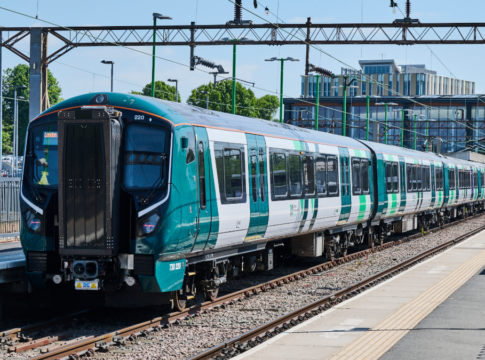
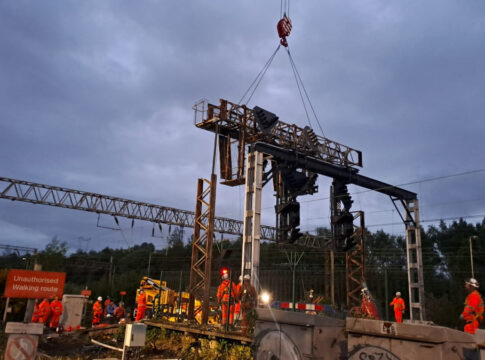
Merseyrail’s Northern Line has fully reopened after major engineering work to strengthen and waterproof four underground tunnels in Liverpool.
Network Rail has invested £3.5 million into the structures so they can continue to safely take passengers under the city centre between Brunswick and Liverpool Central stations.
Specialist teams have used 21st-century techniques* to prevent water from entering the Victorian-built tunnels and stop moisture interfering with the ‘third rail’ system which powers trains.
Since Sunday 11 October, more than 50 workers have:
- Removed 92m² of old concrete ahead of new concrete being applied.
- Drilled 6,500 holes in the tunnel walls for waterproofing injections.
- Drilled 115 holes in the tunnel walls to direct water into drainage (weep holes).
- Waterproofed 1,688m² of tunnel wall.
On Saturday 7 November, Network Rail fully reopened the railway, with trains running between Hunts Cross and Liverpool city centre for the first time in 27 days.
Alongside the strengthening and waterproofing work, power control systems were modernised across the Northern and Wirral lines during four extended Sunday closures.
That is part of an ongoing investment to make it easier to isolate and switch off sections of electrified rail to allow engineers to quickly and safely maintain and fix unexpected faults in future.
Paul Owen, Network Rail Liverpool area director, said: “I’d like to thank passengers for bearing with us while we completed this major multi-million-pound investment into the Merseyrail network.”
“Waterproofing and strengthening the tunnels means we can keep passengers moving smoothly by protecting the third-rail system which powers Merseyrail’s electric trains. It’s all part of our ongoing investment plan and commitment to run a reliable railway for the future and keep the city region moving.”
Stephen Dodd, Merseyrail chief operating officer, added: “We’d like to thank our passengers for their patience while these essential improvements were completed.
“The upgrades will strengthen the long-term reliability of the Northern Line and help reduce the risk of future disruption.”
Image credit: Network Rail