On Sept. 30, 1946, five National Advisory Committee of Aeronautics (NACA) engineers arrived at Muroc Army Airfield in California’s high desert to achieve supersonic flight for the first time. In less than two years, NACA flew the X-1 aircraft faster than the speed of sound, marking an important milestone in aviation history.
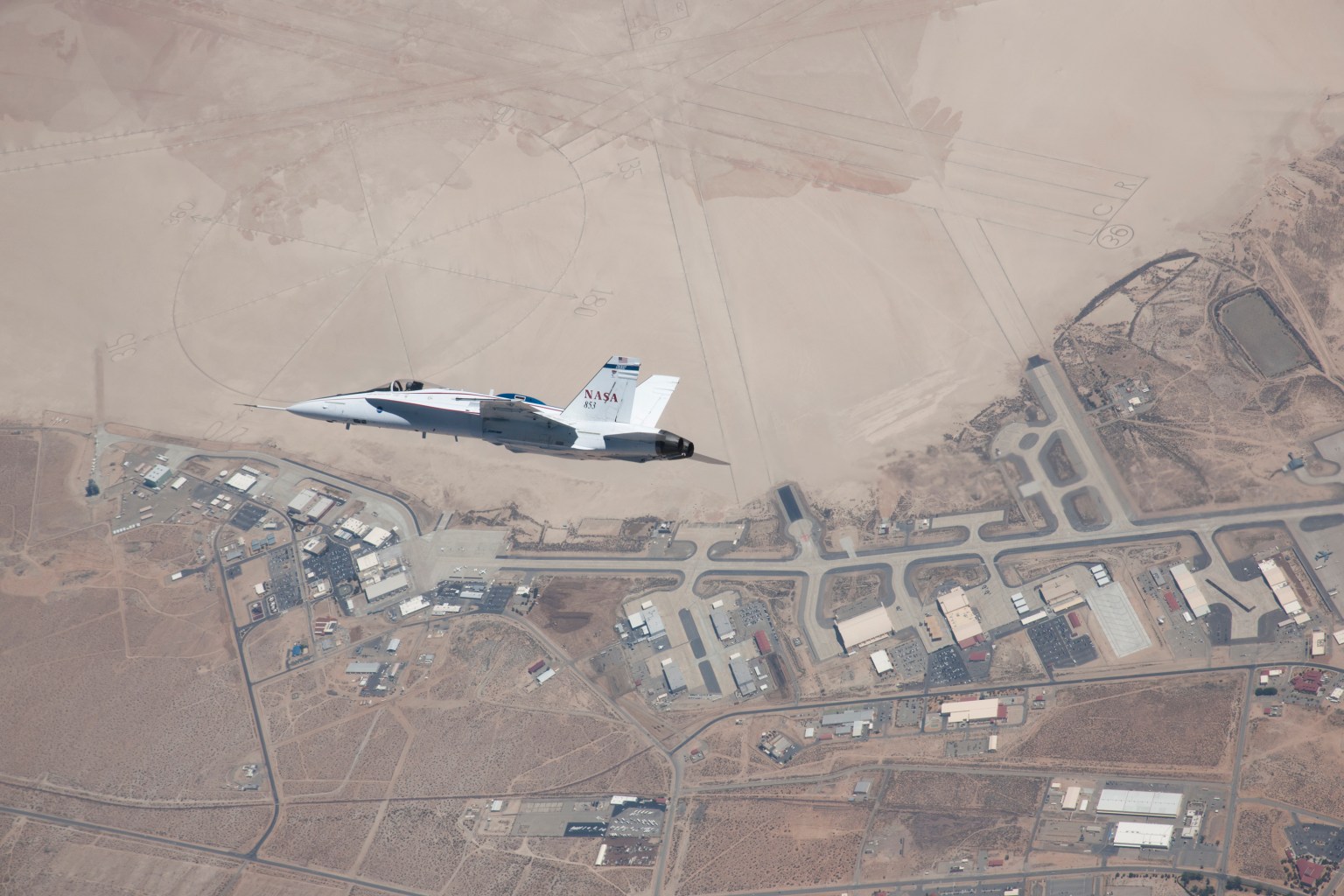
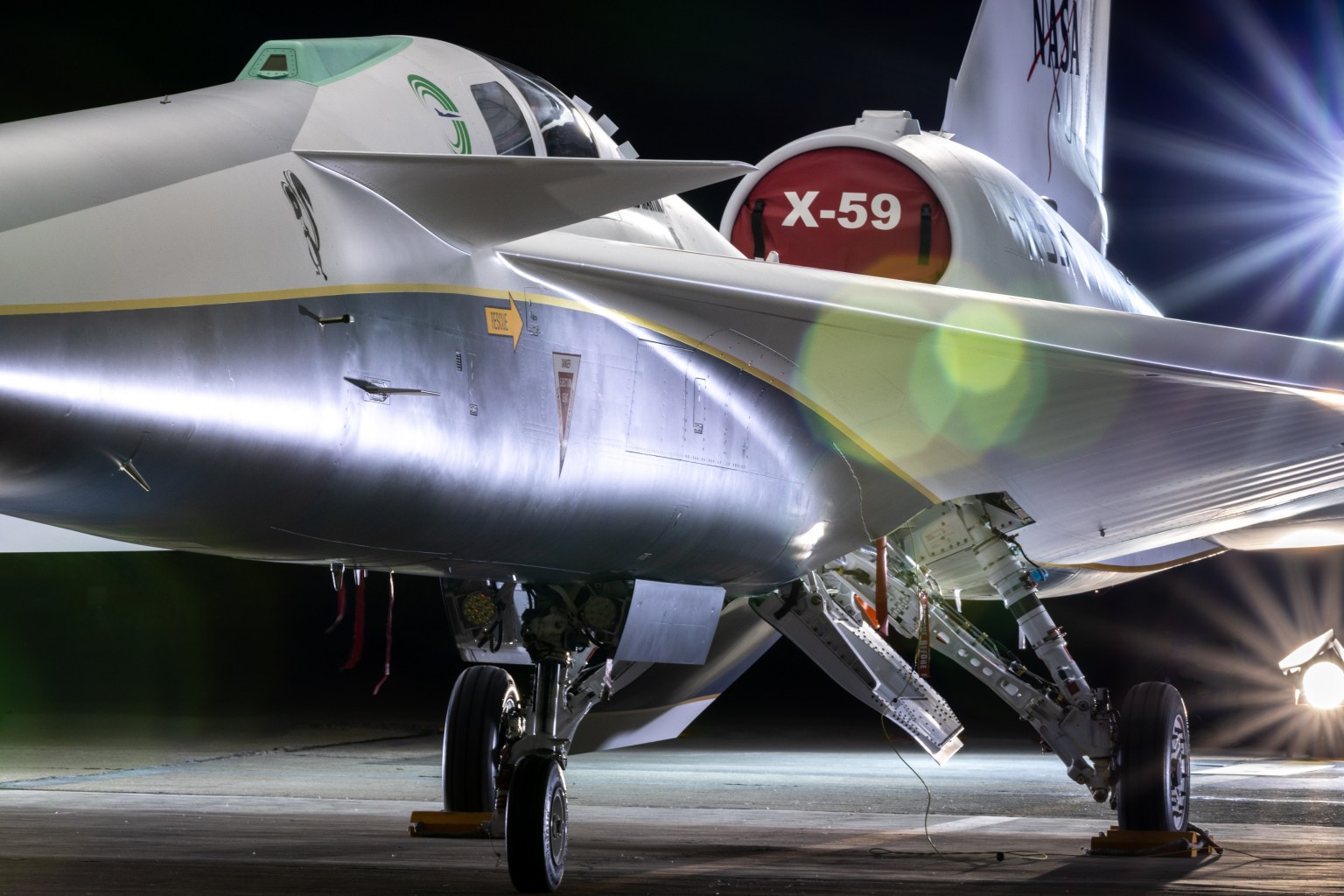
Fast forward 80 years, and that former NACA outpost is now NASA’s Armstrong Flight Research Center in Edwards, California, flying the X-59 supersonic X-plane in the same skies to demonstrate that supersonic flight doesn’t have to come with a boom.
Over Armstrong’s 80-year history, the center has supported milestone missions ranging from space shuttle landings to SR-71 flights, shaping the evolution of science, aeronautics, and space research.
This Southern California NASA center is poised to lead the next era of aeronautics and human spaceflight, advancing technologies that will define the future of flight.
Fast facts
- NASA Administrator Jared Isaacman recently named Armstrong as the agency’s Center of Excellence for Flight Test and Aircraft Operations, recognizing the center’s unmatched rigor in executing unique missions only NASA can fly.
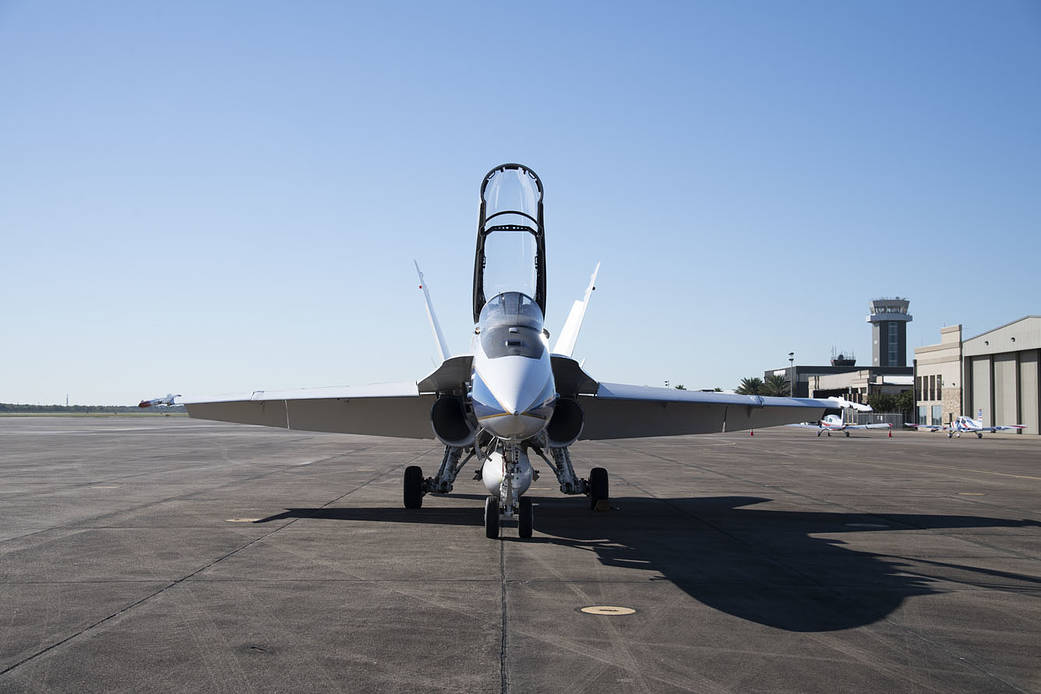
- To support NASA’s Artemis missions and return to the Moon, Armstrong uses research aircraft such as a 737 for astronaut suit testing, the G-III for Artemis II heat-shield data collection, and an F/A-18 aircraft that tested the autopilot for the SLS (Space Launch System) rocket.
- NASA’s aeronautics centerpiece, the X-59, is undergoing rigorous testing and a series of flights at Armstrong to prepare for upcoming quiet supersonic demonstrations over U.S. communities.
- NASA Armstrong has transformed commercial and military aviation — from early supersonic flight research to digital fly-by-wire — and continues working with other government agencies, industry, and academia to make flying safer, more autonomous, and more efficient.
- The center plays a vital role in global science by flying aircraft like the ER-2, C-20A, and Gulfstream G-III/IV/V to collect critical data on wildfires, glacier melt, pollution, minerals, and more.
Behind these achievements are the engineers, pilots, technicians, and mission support teams who continue to push the boundaries of what’s possible.
For more about NASA Armstrong, visit:
https://www.nasa.gov/armstrong
-end-
Dede Dinius / Teresa Whiting
Armstrong Flight Research Center, Edwards, California
661-276-3449
darin.l.dinius@nasa.gov / teresa.whiting@nasa.gov
Explore More