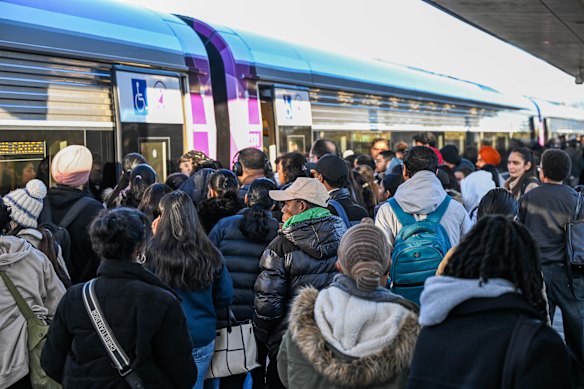
West Tarneit Station has opened to passengers, giving residents in one of Melbourne’s fastest-growing areas another connection to the V/Line network.
Passenger services began on Sunday morning at the new station near Leakes and Davis roads, between Tarneit and Wyndham Vale.
The station has two fully accessible platforms connected by a pedestrian underpass, with ramps and stairs provided at both ends. It also includes a 400-space car park, a four-bay bus interchange and secure bicycle storage.
The station does not however have toilet facilities in a location where there is nothing around the station. Many have called this a shocking oversight and not in the theme of modern railway stations. Additionally there isn’t a Public Phone for security of passengers
More than 1,100 weekly bus services have been added to the Tarneit network to coincide with the opening. The new Route 186 will run between Tarneit and West Tarneit stations via Dohertys Road, while Route 182 will operate more frequently and travel through the new station.
Transport Minister Vicki Ward said the project would provide residents with greater access to public transport as the surrounding suburbs continued to expand.
“Labor is backing Melbourne’s west with the infrastructure it needs,” Ward said.
“West Tarneit Station gives locals more ways to get around, with new bus connections, parking and better access to our rail network.”
“The station is integrated into the local transport network from day one, with two connecting bus routes and 400 car spaces”
The station serves a rapidly developing part of Wyndham, where population growth has placed sustained pressure on roads, buses and V/Line services. Tarneit Station, which opened in 2015, has become one of the busiest stations outside Southern Cross.
Member for Tarneit Dylan Wight described the opening as “a major investment in better transport for Melbourne’s west, helping local communities keep pace with growth”.
“The station is integrated into the local transport network from day one, with two connecting bus routes and 400 car spaces,” Wight said.
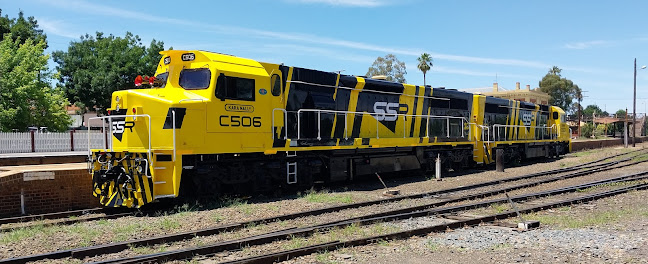
The government has also introduced longer trains on the Wyndham Vale line, increasing capacity by up to 50 per cent during morning and evening peak periods. Unfortunately these will continue to be diesel trains and more engines per train this is becoming a crisis for the environment for the Geelong Railway Line.
The Department of Transport and planning has become the target of more and more criticism over late running transport planning (the population exists before the transport services are provided) and the Geelong Line and Tarneit are no exception. Further criticism stems from a lack of electrification of the Geelong Line in a state that constantly says renewable energy is at the cornerstone of state government decision making. Electrifying the Geelong Railway Line will also assist in reducing the poor air quality issues at Southern Cross Railway Station.
Rail services in Melbourne’s west are shaping as an election issue, with residents continuing to press for more frequent trains and the electrification of the Wyndham Vale and Melton corridors.
Labor used Sunday’s opening to claim the Liberal-National Coalition would remove longer V/Line trains from the Wyndham Vale corridor under its transport plans. The government characterised the opposition as a “Liberal-One Nation Coalition”, although the Victorian opposition is formally made up of the Liberal and National parties, and Liberal leader Jess Wilson has rejected an alliance with One Nation.
The Coalition has separately pledged to spend $1.7 billion on 25 hybrid electric trains for the Wyndham Vale and Melton lines. It says the new trains would more than double passenger capacity on the two corridors while allowing existing VLocity trains to be redeployed to regional routes.
Landscaping will continue around West Tarneit Station after its opening, including the planting of more than 65,000 native trees, plants and grasses. New seating and walking and cycling paths will also be completed around the station precinct.

The Geelong train route is basically now like a suburban outer Melbourne line – peak times get express, outside peak it’s stopping all stations (and a lot slower).
The problem with that is that because of the massive amount of passengers in Melbourne’s outer west and the limited number of services, the actual “peak” on the Geelong line is about 6-7 hours a day (weekday trains to Geelong are packed from before 3pm to after 9pm). The express peak services only benefit a percentage of train travellers.
All this station really does is expand the parking available for Tarniet commuters while slowing off peak services down for everyone else.