Freight operators will have to adjust services during three weekends of engineering work on the East Coast Main Line (ECML) between Newcastle and Scotland. Network Rail is investing £7.1 million (about €8.4 million) in track, points, drainage and overhead line renewals during the closures on 19-20 September, 26-27 September and 3-4 October.
The East Coast Main Line carries between 10 and 20 freight services each day, moving up to 200,000 tonnes a week. Much of this traffic consists of containers travelling between Yorkshire and Teesside and terminals in Scotland.
Freight services diverted around line closures
Network Rail said the work was not specifically planned for freight, but would improve the reliability of infrastructure used by freight operators. During closures north of Newcastle, some freight services will divert via the West Coast Main Line and Gretna. Other flows, particularly those starting and terminating on the East Coast Main Line, are expected to alter their running times to avoid the engineering blocks. Network Rail said the timing of the closures was generally similar each year, allowing freight operators to anticipate disruption and work with customers.
While its West Coast counterpart gains much of the freight spotlight, the ECML is an increasingly important goods corridor, alongside an intense passenger operation. “All the upgrade work taking place during these weekends will benefit freight by improving the reliability of assets along the route,” a Network Rail spokesperson said. “The East Coast Main Line is heavily used by freight services, with between 10 and 20 services a day carrying up to 200,000 tonnes per week, much of which is container traffic between Yorkshire/Teesside and terminals in Scotland.”
£7.1m package of infrastructure renewals
The three weekends will see more than 3.2 kilometres of new track laid at Heaton North, Morpeth and Shortridge. Network Rail will also replace or refurbish eight sets of points at Heaton North, Morpeth, Alnmouth and Tweedmouth.
A further 1.5 kilometres of overhead line equipment will be renewed, while drainage infrastructure will be upgraded at Scremerston. More than four miles of drainage systems will also be cleared to reduce the risk of flooding and associated delays. Vegetation management will take place alongside mandatory safety inspections of track, points and structures.
Regular engineering blocks help operators plan
Network Rail said freight operators were able to plan around the closures because similar engineering blocks are generally taken at comparable times each year. This allows operators to adjust paths and discuss changes with customers in advance. “In terms of the amendments to services while the work is taking place, when we’re working on the East Coast Main Line north of Newcastle, some of the freight diverts across to the West Coast Main Line and runs to/from Scotland via Gretna,” the NR spokesperson said.
Freight operators do have some flexibility in their scheduling, given enough notice. “Some flows, particularly those that start and terminate on the ECML, choose to adjust their running times to avoid the blocks. We tend to take these blocks at similar times every year, which helps freight operators forecast disruption, allowing them to work with their customers to manage the impact.”
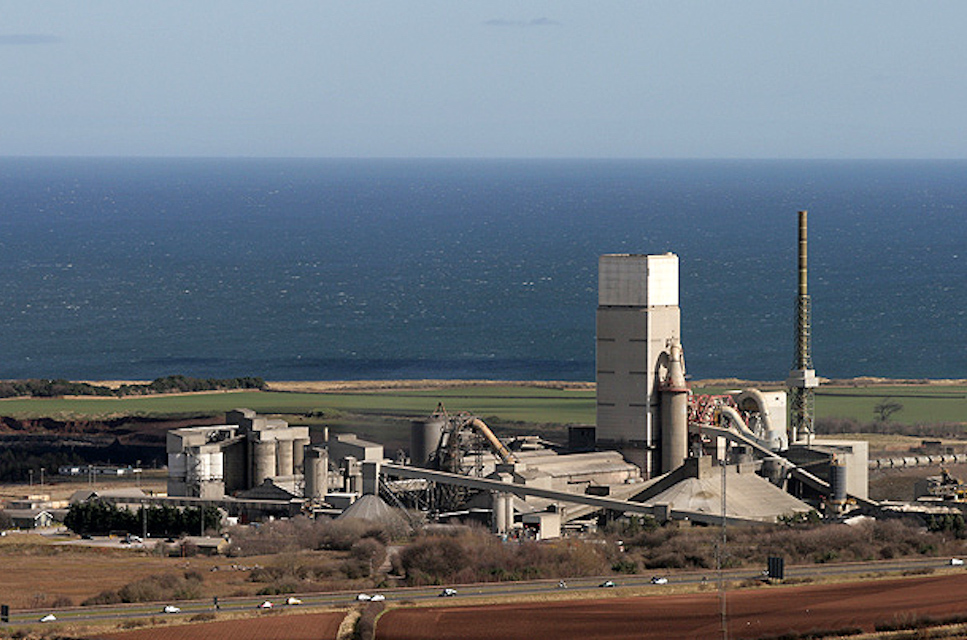
The £7.1 million programme follows a separate £4.6 million package for the East Coast Main Line around Dunbar, where Tarmac has a major rail-served cement facility. Together, the works form part of wider investment in the route between northern England and Scotland. For freight operators, the immediate effect will be changes to established operating patterns during the three weekend closures. The longer-term objective is improved infrastructure reliability on a route carrying significant volumes of intermodal traffic between northern England and Scotland.