Work on 1,000 trial trenches has now been completed and Roman coins and pottery have been unearthed as part of ongoing archaeological investigations which are supporting plans to build East West Rail. The work, which is taking place in Bedfordshire and Cambridgeshire, is designed to build a detailed understanding of what lies beneath the ground and help protect and preserve archaeological heritage wherever possible.
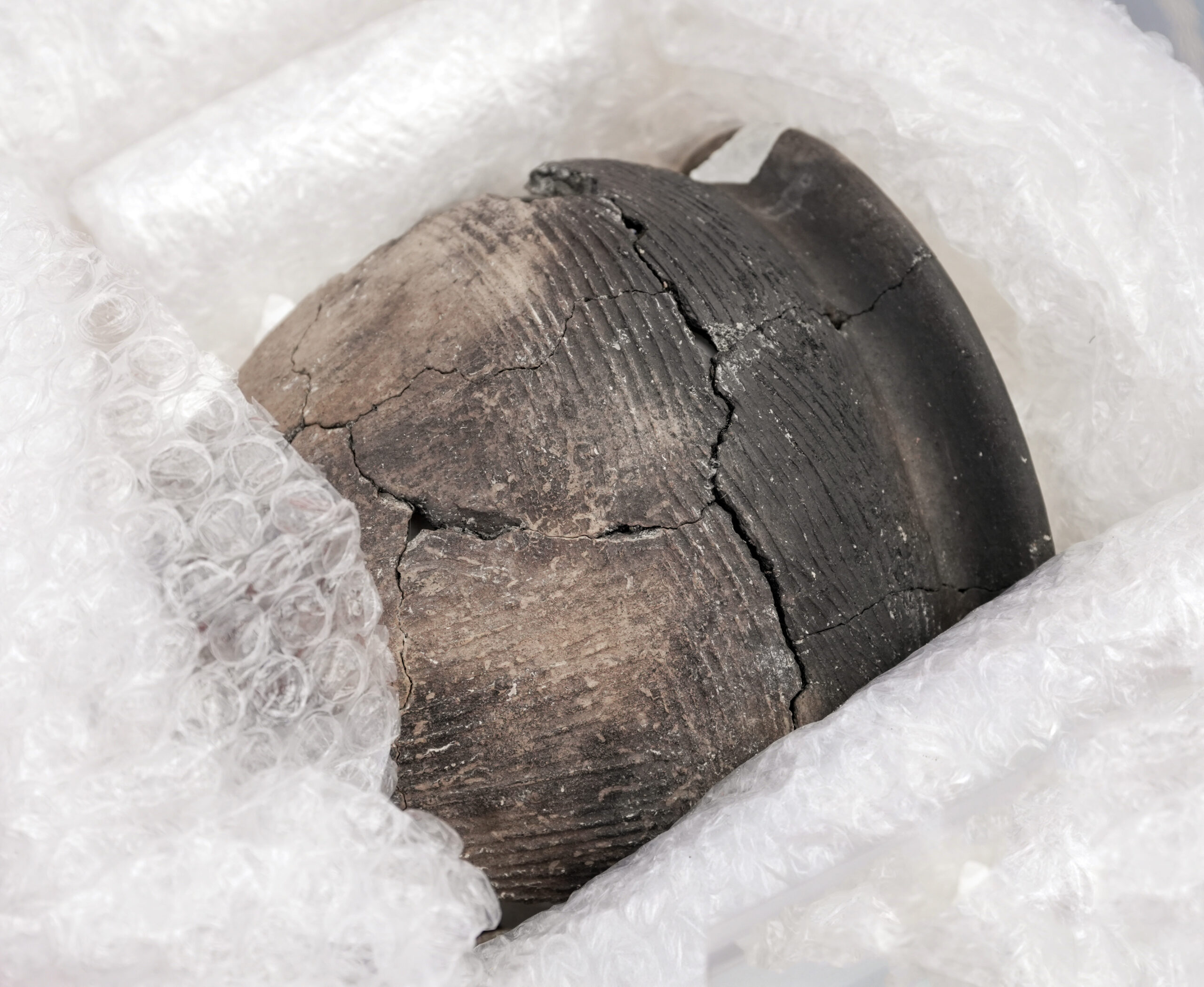
Among the discoveries made so far are Roman coins, including one from around 1,740 years ago bearing the name of Roman Emperor Carausius (c. AD 250-293), who commanded a Roman fleet based in the English Channel. Other finds include a Late Iron Age vase, along with fragments of pottery.
The trenching programme is an essential part of the environmental assessment work required to inform the Development Consent Order (DCO) process to secure permission to build the railway and ensure the project is designed and delivered responsibly.
EWR Co and its delivery partners will complete approximately 6,000 archaeological trial trenches over a period of around two years across the East West Rail route.
Each trench is typically around 50 metres long, two metres wide, and excavated to a depth of approximately half a metre, allowing specialists to investigate and better understand the significance and condition of any archaeological features. Where archaeological features are identified, archaeologists then excavate targeted sample sections, known as slots within the trenches, to better understand their age, condition and significance.
Jorn Pace, programme manager at EWR Co, said: “It’s a really exciting time for the project because this programme represents an important step in helping us better understand the historic environment while continuing to progress East West Rail responsibly. We’re working closely with landowners and local communities throughout the process to minimise disruption, keep people informed, and restore land as closely as possible to its previous condition once works are complete.
“By carrying out targeted investigations informed by detailed surveys, we can reduce unnecessary disturbance and ensure we take a careful and considered approach to both the environment and the communities around us.”
Before excavation begins, EWR Co undertakes geophysical surveys to identify areas of archaeological interest, alongside ecological and utility assessments. This information helps shape delivery plans that minimise impacts on farming activity, biodiversity, and day-to-day land use.
Mike Court, Historic Environment Lead at EWR Co, said: “Understanding the archaeology beneath the surface is essential to helping us design and deliver the railway in a way that respects the environment and our shared heritage.
“The information gathered through this programme contributes directly to our Environmental Impact Assessment and enables us to understand the significance of any archaeology that may be affected, plan appropriate mitigation and preserve important knowledge for future generations.”
Investigations completed to date suggest that parts of the route contain evidence of activity dating back to the Iron Age and Roman periods, offering valuable insight into how communities lived and worked in the region thousands of years ago. Metal detectors are used in all of the excavated trenches to help identify any finds.
Joss Piper-Jarrett, archaeology survey manager at EWR Co, said: “Every discovery helps build a richer picture of the people who once lived here. When you’re excavating these features, you’re often the first person to see them in 2,000 years, sometimes even longer, which is a really special feeling – it’s pretty amazing.
“Safeguarding and preserving these artefacts is a key part of the process. Once excavated, finds are carefully cleaned, analysed, recorded and added to the archaeological archive. Where discoveries are considered particularly significant, there may also be opportunities for them to be displayed in local museums so communities can continue to connect with their local history.”
Image credit: East West Rail