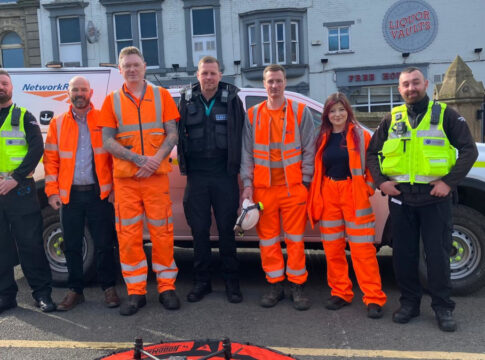
Network Rail has been carrying out a series of joint rail safety operations across Teesside, County Durham, and the North East over the Easter period, in partnership with British Transport Police (BTP) and Northern.
The two-week programme – now in its sixth year – forms part of Network Rail’s anti-trespass prevention activity and is aimed at reducing unsafe behaviour on and near the railway, minimising disruption and engaging with communities.
Specialist teams from Network Rail have been out on the railway alongside BTP officers and Northern staff, from 7 to 17 April, with a particular focus on known trespass hotspots. This year’s operations are making extensive use of drone technology, allowing teams to monitor hard-to-reach areas, spot risks early and respond swiftly before incidents occur.
Network Rail mobile operations managers are deployed in road vehicles and onboard trains, working closely with BTP officers and Northern colleagues to spot incidents.
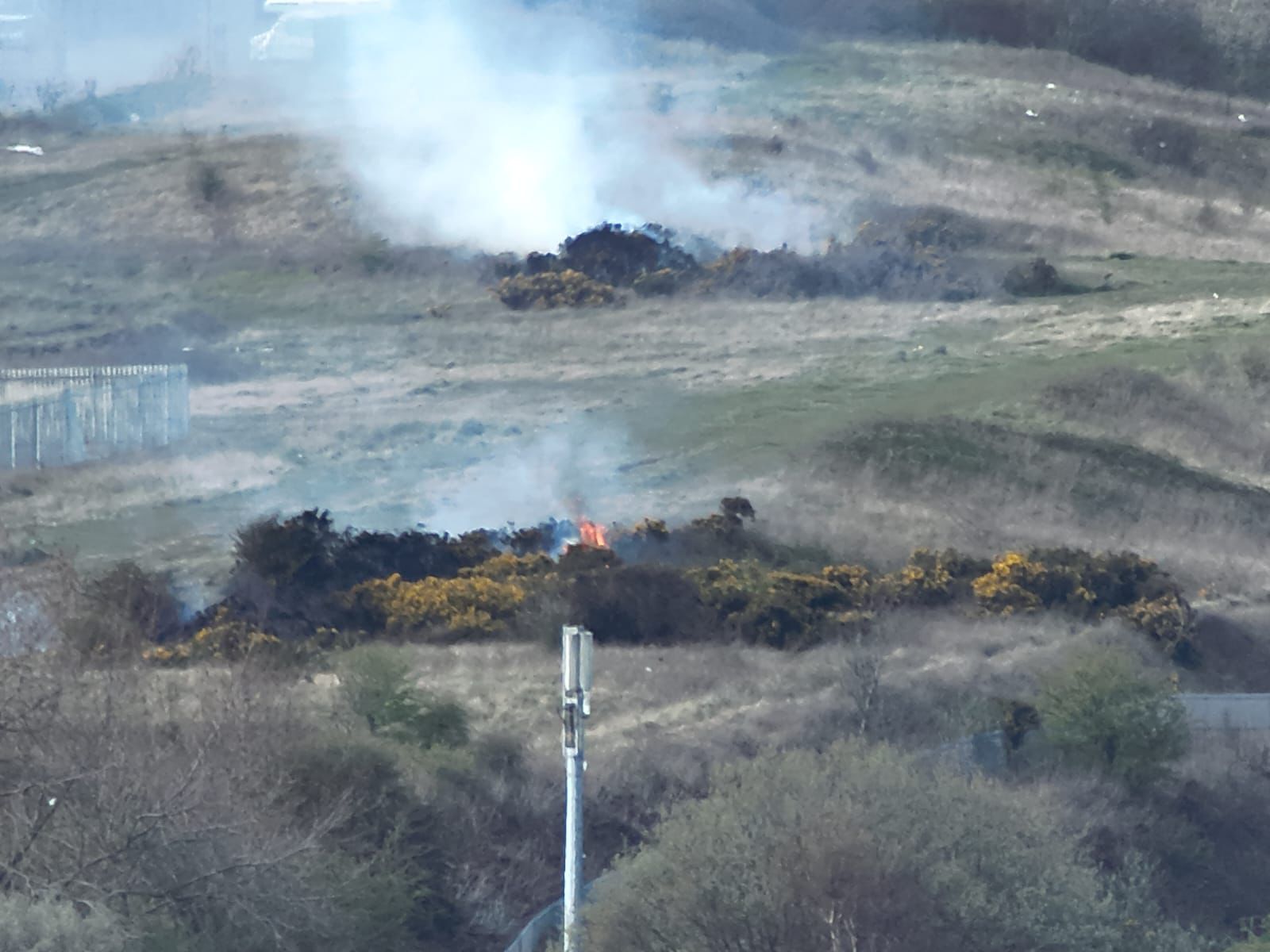
During the first week of activity, joint patrols were carried out between Middlesbrough and Sunderland. Drone operations focused on stations and sidings around the region, successfully preventing two lineside fires at Seaham and Horden from escalating, ensuring there was no disruption to services. On both occasions, the individuals fled upon spotting the drone.
A mobile operations manager (MOM) recorded the youths and utilised the thermal imaging camera to track them as they attempted to conceal themselves in nearby trees and bushes. Once they had moved away from the railway, the MOM ensured both fires were fully extinguished and confirmed it was safe for train operations to continue.
Phil Gowland, Network Rail local operations manager, said: “The Easter school holidays are a key time for us, and this is the sixth year we’ve run this anti-trespass prevention activity. The aim is simple: to get the message out that trespassing is dangerous and not acceptable, particularly for young people.
“What we tend to do is have a colleague in the cab of a train. If they spot someone trespassing, they can radio straight through to a BTP patrol vehicle that’s travelling alongside the route. That means our response time can be as little as five minutes, and we’re able to get there quickly and deal with it.
“The use of drones has been a real game changer for us. We now use them in specific hotspot areas where we’ve had ongoing trespass issues. They’ve helped us stop fires, identify landslips and even catch people just before they step onto the railway. Being able to warn people early and prevent danger has been hugely beneficial.”
This week, from 13 to 17 April, operations have expanded across a wider area including Eaglescliffe to Saltburn, Billingham to Nunthorpe and the Darlington to Bishop Auckland line, again focusing on known trespass hotspots using a combination of ground patrols and drones.
Phil added: “I’ve seen first-hand what can happen when people trespass, and it’s not nice – not for the individual if they’re injured or worse, and not for our colleagues either.
“The good news is this approach works. We see a significant reduction in trespass during and after these operations, particularly over Easter and the summer holidays.”
Network Rail works closely with train operators and the police throughout the year to keep passengers, staff and local communities safe. These Easter patrols form part of a long-term commitment to changing behaviour, reducing delays and ensuring everyone can travel safely and confidently.
Image credit: Network Rail