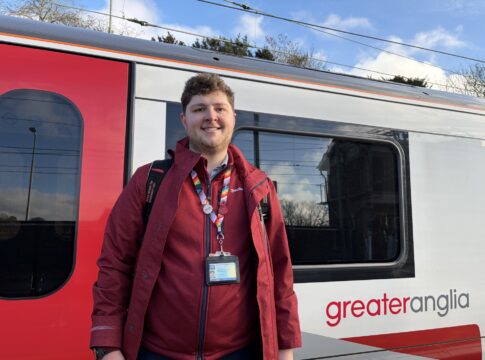
Apprenticeships continue to play a vital role in developing the next generation of railway professionals, offering hands-on experience, structured learning, and the opportunity to build long-term careers. For Ben Tyson, the train driver apprenticeship provided the pathway into what he describes as his “dream career”, equipping him with both the technical and non-technical skills needed to succeed on the railway.
What support did you receive during the apprenticeship scheme?
Throughout the apprenticeship, I received excellent support from a rail learning specialist who carried out monthly check-ins with me. These sessions gave me the chance to talk through what I had learned, ask questions, and make sure I was progressing in the right direction. Knowing that there was always someone available to guide me made a real difference to my confidence as I moved through the programme.
There was also additional support available to help participants strengthen their English and Maths skills, ensuring everyone had the foundations needed to complete the qualification successfully and continue developing in their careers.
As you are coming to the end of your apprenticeship, what skills have you learnt that now support you in your role?
As I have come towards the end of my apprenticeship, I have realised just how many important skills I have gained, particularly non-technical skills that support safe and effective train driving. One key example is situational awareness. Learning practices such as clearly identifying and pointing out signals helps maintain concentration and ensures safe driving through consistent, conscious communication.
I also developed strong decision-making skills, workload management, diligence, co-operation, self-management, and communication. Communication, in particular, has been especially valuable for me. It was not something I considered one of my strengths before starting the apprenticeship, but it is now a skill I use daily when working with colleagues across the railway.
What was your personal highlight of completing your apprenticeship?
The proudest moment of my apprenticeship has been becoming a qualified train driver. I have always had a strong interest in the railway, so completing the programme and moving into the role felt like achieving a long-standing goal. The apprenticeship gave me the opportunity to turn something I was passionate about into a career that I genuinely enjoy.
You share a lot about your trainee driver journey on LinkedIn, which gives a great insight into the role. What made you decide to document and share your experience, and have you had any responses since posting your journey online?
During my training, I decided to document my trainee driver journey on LinkedIn to give people a realistic insight into what working on the railway is actually like. From the outside, it can be difficult to understand what the role involves or the steps required to become a train driver, and I wanted to help make that pathway clearer for others.
Sharing my experiences has allowed me to connect with colleagues across the business, exchange stories with drivers and teams from different departments, and hopefully inspire others who may be thinking about applying for a similar role.
What advice would you give to someone else considering an apprenticeship?
My advice is simple: give it a go. Apprenticeships are open to people of all ages and backgrounds, and there is no disadvantage in applying or gaining an apprenticeship qualification. You will receive continuous support, structured learning, and the guidance needed to help you succeed, so do not be afraid to take that first step.
Image credit: Greater Anglia