At least 39 people have been killed after two high-speed trains were involved in a derailment and collision in southern Spain on Sunday evening.
The incident occurred at around 18:45 GMT near Adamuz, in the province of Córdoba, approximately 360 kilometres south of Madrid. Emergency services reported that 122 people were injured, with 48 remaining in hospital, including 12 in intensive care.
Spain’s Prime Minister Pedro Sánchez and Transport Minister Óscar Puente travelled to the scene on Monday. In a post on X, Puente said the number of fatalities had risen to 39 and warned that the figure could increase.
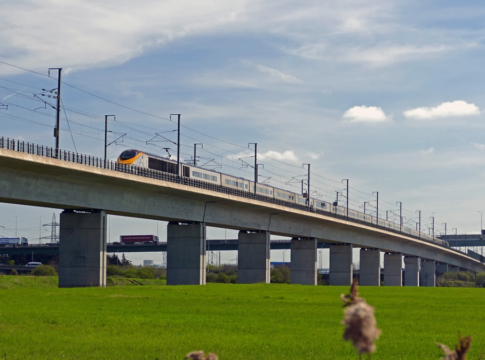
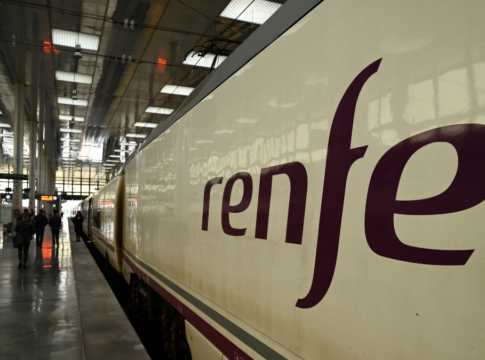
Around 400 passengers were believed to be travelling on the two trains, operated by Iryo and Renfe’s Alvia service. One train was running from Málaga to Madrid, while the other was heading towards Huelva.
Spain’s Guardia Civil has said more than 220 of its officers have been deployed to the scene to support rescue efforts. In a message posted on X, accompanied by footage from the site, the force added that work is continuing to identify the victims.
The crash is Spain’s deadliest rail accident since 2013, when a train derailed near Santiago de Compostela, killing 80 people.
More than 200 rail services between Madrid and the Andalusia region were cancelled following the incident.
Transport Minister Puente said the Iryo train involved was less than four years old and that the section of track had undergone a full renovation last May, at a cost of €700 million. Iryo confirmed that its train had last been inspected on 15 January.
Iryo is a joint venture between Italian state railway operator Ferrovie dello Stato, airline Air Nostrum, and Spanish infrastructure investment fund Globalvia. The operator launched services in November 2022, initially on the Madrid–Barcelona route, before expanding to other major cities. Alvia services are operated by state-owned rail company Renfe.
Spain’s high-speed rail network spans more than 3,600 kilometres, making it the largest in Europe and second only to China globally.
Image credit: iStockphoto/Richard Villalon